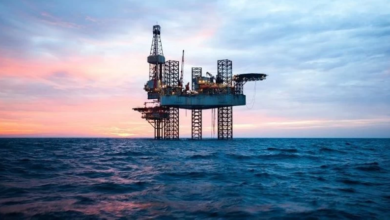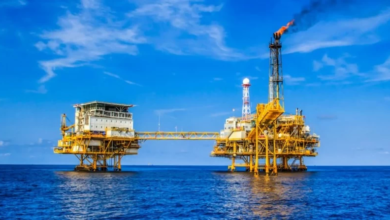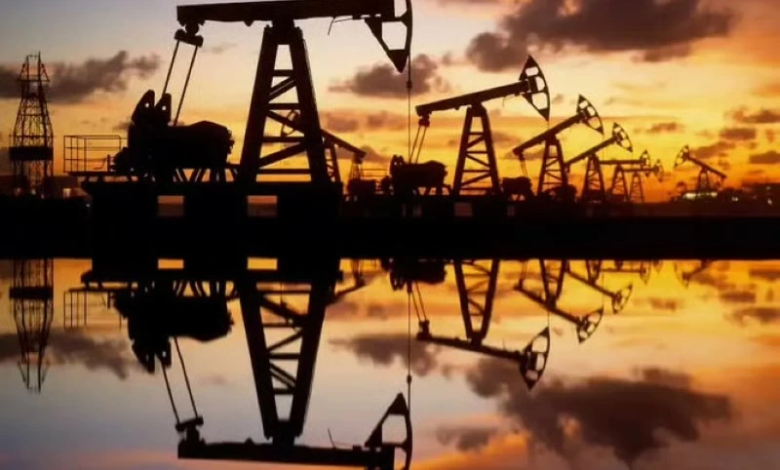
Global energy markets experienced a sharp decline at the start of trading today, with oil prices surging by more than 13%, pushing Brent crude above $82 a barrel. This dramatic move comes as a direct and swift reaction to escalating geopolitical tensions and recent military events in Iran, which have triggered a wave of concern in global economic circles.
In contrast, Wall Street was awash in red, with Dow Jones Industrial Average futures plunging by as much as 517 points in early trading. This sharp decline reflects a risk aversion among investors, who rushed out of the stock market and into safe havens such as gold and government bonds, anticipating potentially long-term repercussions for the global economy.
The geopolitical context and the region's importance for energy
These developments are of paramount importance due to the geographic and strategic nature of the Middle East, the heart of global energy markets. Iran is not only a major oil producer and an active member of OPEC, but it also overlooks the Strait of Hormuz, the world's most vital waterway, through which approximately one-fifth of the world's daily oil consumption passes. Historically, any military instability in this region has been a trigger for energy prices, given the immediate fear of supply chain disruptions or the closure of vital shipping lanes. This explains the strong and immediate market reaction today, as geopolitical risk premiums are being repriced.
Expected economic impacts: The specter of inflation returns
On the international economic front, this sudden surge in oil prices is raising serious concerns among central banks worldwide. The rising cost of energy is a major driver of inflation, which could complicate the plans of the US Federal Reserve and European central banks to cut interest rates in the near future. If oil prices remain high for an extended period, production and shipping costs will increase, negatively impacting consumer prices and threatening to slow global economic growth.
Locally and regionally, while oil-exporting countries may benefit from higher financial returns in the short term, uncertainty and security tensions could negatively affect the investment climate and foreign capital flows to the region, in addition to higher costs of insurance for maritime shipping, putting the global economy to a difficult test in the coming days.