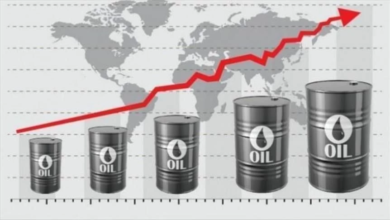
Global energy markets saw a notable positive movement at the start of trading this morning, with oil prices a significant rise during Asian trading today. This increase reflects a cautious optimism in the markets, driven by a range of economic and geopolitical factors that directly affect the global supply and demand balance.
General context and dynamics of Asian markets
Asian trading sessions are a vital indicator of daily market trends, given that Asia is home to the world's largest oil importers, namely China and India. Historically, prices during these sessions are influenced by data on industrial activity in China, as well as traders' reactions to the previous day's US market closes. Analysts note that any improvement in Asian macroeconomic indicators immediately translates into expectations of increased demand for crude oil, driving prices upward.
Influencing factors: supply and demand, and geopolitics
This price surge cannot be separated from the broader global context, where OPEC+ policies play a pivotal role in regulating the market by setting production quotas to maintain price stability. Furthermore, geopolitical tensions in key production areas or international shipping lanes remain a persistent factor, adding a risk premium to the price per barrel. Fluctuations in the US dollar index also have an adverse effect on dollar-denominated commodities, as a weaker dollar often makes oil cheaper for holders of other currencies, thus boosting demand and driving prices higher.
Expected economic impacts
The rise in oil prices has varying repercussions on both regional and international levels:
- At the international level: Continued price increases may lead to increased inflationary pressures in major economies, complicating the task of central banks in managing interest rates, as energy costs increase production, transportation and shipping costs globally.
- At the regional level (producing countries): For the Gulf and Arab oil-exporting countries, this increase is good news that supports public budgets and enhances financial surpluses that can be reinvested in development projects and economic diversification.
- For importing countries: Non-producing countries face additional challenges in the form of a high import bill, which may put pressure on their hard currency reserves and increase the trade deficit.
In conclusion, the oil markets remain in a constant state of anticipation for upcoming economic data, especially those related to US crude oil inventories and interest rate decisions, which will determine whether this rise will continue as a long-term trend or is merely a temporary correction in the market's trajectory.