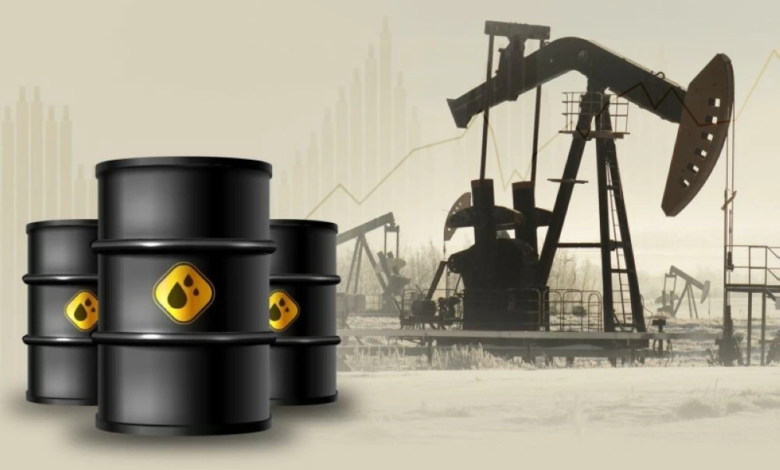
Oil prices recorded a significant increase during trading today, driven by renewed concerns about a shortage of global supplies, against the backdrop of the severe winter storm that hit the United States and disrupted crude production and exports in vital areas.
According to the latest market data, Brent crude futures, the global benchmark, rose 28 cents, or 0.4%, to $67.85 a barrel. Meanwhile, U.S. West Texas Intermediate crude futures climbed 35 cents, or 0.6%, to settle at $62.74 a barrel, reflecting market sensitivity to any disruptions in U.S. supply chains.
Impact of winter storms on energy infrastructure
Winter storms in the United States, particularly those affecting Texas and the Gulf Coast, are a major factor impacting energy markets. Freezing temperatures can cause well freezes, where fluids within pipes stop flowing, forcing producers to halt pumping. Additionally, storm-related power outages can shut down refineries and processing plants, reducing the immediate supply of refined petroleum products and crude oil to the market.
The strategic importance of American production
These disruptions are particularly significant given the United States' position as one of the world's largest oil producers. Any decline in US production not only affects the domestic market but also global markets, as the global economy depends on stable energy flows. This disruption comes at a time when markets are experiencing a fragile balance between supply and demand, making prices highly sensitive to any sudden shortage in supplies from North America.
Impact of the event on the global economy
Economic analysts believe that continued severe cold waves could lead to a greater depletion of strategic and commercial oil reserves, especially given the increased demand for heating fuel and natural gas during the winter. This double pressure (supply shortage and increased demand) is driving prices upward, which could, in turn, affect transportation, shipping, and industrial costs globally, adding new economic burdens to the ongoing global economic recovery efforts.