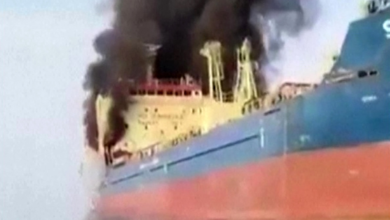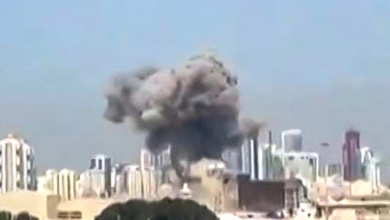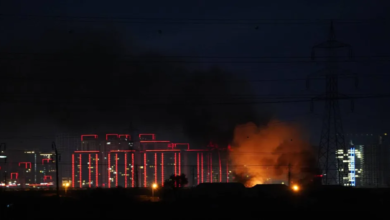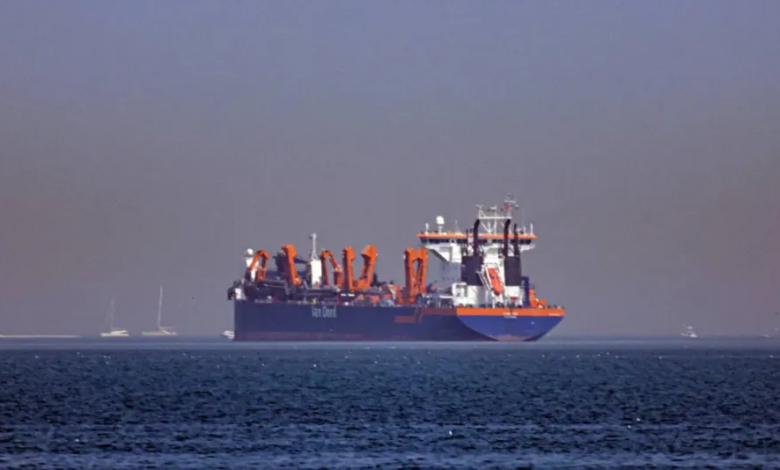
Initial reports indicate a maritime security incident involving an attack on an oil tanker using an explosive-laden drone boat off the coast of Muscat, the capital of Oman. This incident underscores the growing threats to international shipping lanes in one of the world's most vital energy supply regions.
Context of maritime tensions in the region
This incident is not isolated from the context of the geopolitical tensions that have plagued the Gulf region and the Arabian Sea for years. The waterways surrounding Oman, particularly the Gulf of Oman and its proximity to the Strait of Hormuz, are a vital artery for the global economy, through which nearly a fifth of the world's oil consumption passes. In recent years, this region has witnessed a series of similar incidents targeting commercial vessels and oil tankers, ranging from attacks with limpet mines and drones to the evolving threat of remotely piloted boats.
Evolution of maritime threat technologies
The use of an unmanned surface vessel (USV) in this attack represents a qualitative shift in maritime threat tactics. USVs are unmanned surface vehicles that can be remotely piloted or pre-programmed to strike specific targets with high precision. The danger of this type of weapon lies in its low detection rate by conventional radar due to its small size and speed, as well as its ability to inflict significant damage on large ships, thus increasing the challenges faced by international naval forces tasked with securing these waterways.
Strategic importance and impact of the incident
The location of the incident off the coast of Muscat is of particular importance, given the Sultanate of Oman's pivotal role in maintaining maritime security and its balanced diplomatic position in the region. This attack is expected to have repercussions on several levels:
- Economically, such incidents often trigger an immediate reaction in global oil markets, where prices may rise due to fears of supply disruptions. This inevitably leads to higher marine insurance costs for vessels transiting the region, thus increasing the overall cost of international shipping.
- From a security and military perspective: This incident may prompt major international powers to strengthen their naval military presence in the Arabian Sea and the Indian Ocean, and intensify surveillance patrols to protect commercial vessels, which may increase the militarization of the region.
- Politically: The incident will increase international diplomatic pressure to find solutions to reduce escalation in the region and ensure freedom of navigation as a right guaranteed under international law.
In conclusion, maritime security in this region remains a shared international responsibility, as any threat to oil tankers affects not only the countries of the region, but also extends its impact to the entire global economy.