Trump threatens Iran: We are monitoring your uranium from space and we will get it

Trump makes fiery statements regarding Iran
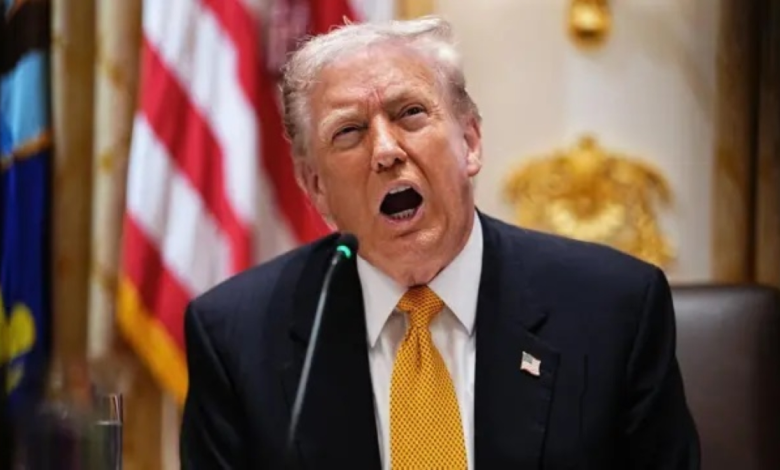
Former US President Donald Trump issued new, strongly worded statements against Iran, asserting that the United States is monitoring Iran's underground uranium stockpile through its Space Force and vowing that his country "will get it soon." Trump added, in a direct threat, that anyone attempting to approach Iranian uranium sites would be attacked.
In a related development, Trump categorically rejected the Iranian response to a US proposal to end the conflict, describing it as “totally unacceptable.” He wrote on the X platform: “Just read the response from the so-called representatives of Iran. It is totally unacceptable.” He also claimed that his administration had achieved 70% of its objectives in Iran and had other targets it might strike, indicating that Iran had been “defeated” and would need 20 years to rebuild its military capabilities.
Background to the tension: From the nuclear agreement to the maximum pressure policy
These statements come against a backdrop of a long history of tension between Washington and Tehran, which reached its peak during Trump's presidency. In 2015, the Joint Comprehensive Plan of Action (JCPOA), commonly known as the Iran nuclear deal, was reached between Iran and the P5+1 group of nations. Under this agreement, Iran agreed to significantly restrict its nuclear program in exchange for the lifting of economic sanctions.
But in 2018, President Trump unilaterally withdrew the United States from the agreement, calling it “the worst deal ever negotiated.” This was followed by a “maximum pressure” campaign that included reimposing crippling economic sanctions aimed at crippling the Iranian economy and forcing Tehran to negotiate a new agreement on American terms. In response, Iran began gradually reducing its compliance with the agreement and increased its uranium enrichment levels, sparking widespread international concern.
Regional and international dimensions of the escalation
Trump's statements and the ongoing tension between the two countries carry serious regional and international dimensions. Regionally, major Middle Eastern powers, such as Saudi Arabia and Israel, view Iran's nuclear ambitions with grave concern, considering them a direct threat to their national security. Any potential military escalation could drag the entire region into a wider conflict.
Internationally, this tension is affecting the stability of global energy markets, as Iran has repeatedly threatened to close the Strait of Hormuz, a strategic waterway through which a large portion of the world's oil passes. The collapse of the nuclear agreement also represents a setback to global nonproliferation efforts and undermines diplomatic attempts to resolve disputes peacefully. European powers continue to try to find a way to salvage the agreement, but the escalating tensions between Washington and Tehran make this task virtually impossible.