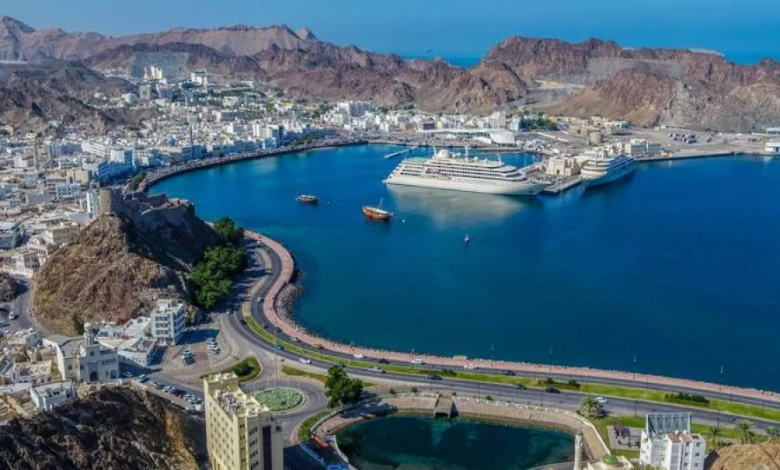

أعلنت سلطنة عُمان عن عودة عمليات تصدير النفط إلى طبيعتها وبكامل طاقتها التشغيلية من ميناء الفحل، وذلك بعد نجاح قواتها البحرية في إحباط هجوم استهدف ناقلة نفط كانت تستعد للرسو في الميناء. ويأتي هذا التطور ليؤكد على قدرة السلطنة على تأمين منشآتها الحيوية، في وقت تسلط فيه الحادثة، التي عُرفت إعلاميًا بـ هجوم ميناء الفحل، الضوء مجددًا على التحديات الأمنية التي تواجه ممرات الطاقة العالمية في منطقة الشرق الأوسط.
تفاصيل هجوم ميناء الفحل ورد الفعل الرسمي
وقع الحادث عندما تم رصد طائرة مسيّرة معادية تتجه نحو ناقلة نفط في محيط ميناء الفحل، الذي يعد الشريان الرئيسي لصادرات النفط الخام العماني. وبحسب البيانات الرسمية الصادرة عن القوات المسلحة العمانية، تم التعامل مع الهدف بنجاح وإسقاط المسيّرة قبل أن تصل إلى هدفها، مما حال دون وقوع أي أضرار مادية أو بشرية. وقد أدانت السلطنة بشدة هذا الاعتداء، ووصفته بأنه عمل إرهابي يمثل انتهاكًا صارخًا للقانون الدولي ويهدد سلامة الملاحة البحرية وأمن إمدادات الطاقة العالمية. وأكدت على اتخاذها كافة الإجراءات اللازمة لحماية سيادتها ومنشآتها الاستراتيجية.
الأهمية الاستراتيجية لميناء الفحل للاقتصاد العماني
يكتسب ميناء الفحل أهمية استراتيجية قصوى للاقتصاد العماني، فهو نقطة التصدير الوحيدة لخام النفط العماني إلى الأسواق العالمية. يقع الميناء في محافظة مسقط ويطل على خليج عُمان، بالقرب من مضيق هرمز، الممر المائي الأكثر أهمية لشحنات النفط في العالم. ويعتمد الاقتصاد العماني بشكل كبير على عائدات النفط والغاز، حيث تشكل هذه الصادرات الجزء الأكبر من الإيرادات الحكومية والناتج المحلي الإجمالي. لذلك، فإن أي تعطيل للعمليات في هذا الميناء يمكن أن يكون له تداعيات اقتصادية وخيمة على البلاد، مما يفسر سرعة وحسم الاستجابة العمانية للتهديد الأخير.
تداعيات الهجوم على استقرار أسواق النفط الإقليمية
على الرغم من أن الهجوم لم يؤثر على تدفق الصادرات بفضل إحباطه، إلا أنه أثار قلقًا في أسواق الطاقة العالمية بشأن أمن الإمدادات من منطقة الخليج. وتأتي هذه الحادثة في سياق توترات جيوسياسية متصاعدة في المنطقة، حيث سبق أن تعرضت منشآت نفطية وسفن تجارية في مياه الخليج لهجمات مماثلة. ويؤكد الخبراء أن استهداف البنية التحتية للطاقة، حتى لو لم ينجح، يهدف إلى زعزعة استقرار الأسواق ورفع تكاليف التأمين على الشحن، مما يضيف ضغوطًا على الاقتصاد العالمي الذي يعاني بالفعل من تقلبات أسعار الطاقة. وتبرز هذه الأحداث أهمية التعاون الإقليمي والدولي لضمان أمن الممرات المائية الحيوية وحماية تدفق الطاقة دون عوائق.