
كارثة إنسانية متفاقمة: فيضانات باكستان وأفغانستان تحصد مئات الأرواح
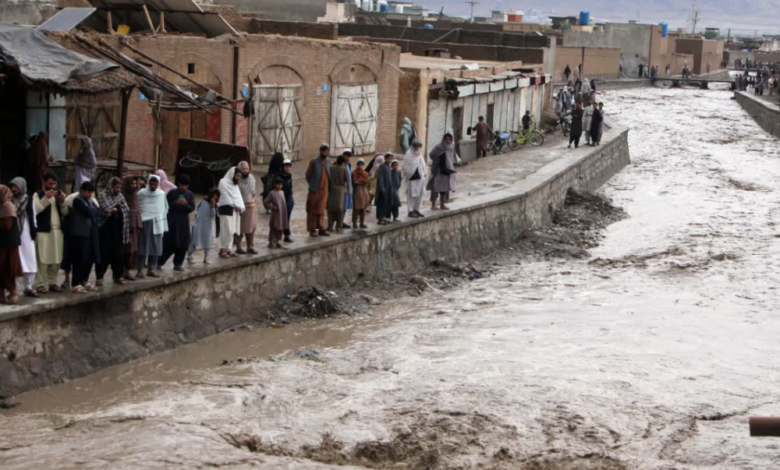
تشهد منطقة جنوب آسيا أزمة مناخية وإنسانية حادة، حيث أسفرت فيضانات باكستان وأفغانستان والأمطار الغزيرة التي ضربت البلدين خلال الأسابيع الثلاثة الماضية عن مقتل 222 شخصاً على الأقل، وفقاً لأحدث الإحصائيات الصادرة عن هيئات إدارة الكوارث في كلا البلدين. هذه الكارثة الطبيعية تأتي لتزيد من معاناة شعوب المنطقة التي تواجه تحديات اقتصادية وبيئية غير مسبوقة، وتدق ناقوس الخطر حول تداعيات التغير المناخي.
الوضع المأساوي في أفغانستان
في أفغانستان، التي تعاني بالفعل من إحدى أسوأ الأزمات الإنسانية والاقتصادية في العالم، أعلن المتحدث باسم الإدارة الوطنية لمكافحة الكوارث، محمد يوسف حماد، أن الكوارث الطبيعية الأخيرة أودت بحياة 148 شخصاً منذ 26 مارس الماضي. وتنوعت أسباب الوفيات بين السيول الجارفة، الانهيارات الأرضية، والصواعق الرعدية. وتكتسب هذه الفيضانات خطورة مضاعفة في أفغانستان نظراً لهشاشة البنية التحتية، وتوالي سنوات الجفاف القاسية التي جعلت التربة صلبة وغير قادرة على امتصاص كميات الأمطار المفاجئة، مما يؤدي إلى تشكل سيول مدمرة تجرف القرى والمحاصيل الزراعية التي يعتمد عليها ملايين الأفغان في بقائهم اليومي.
خسائر فادحة في الأرواح والممتلكات في باكستان
على الجانب الآخر من الحدود، لم يكن الوضع أقل قسوة. فقد ارتفعت الحصيلة الإجمالية للضحايا في باكستان إلى 74 قتيلاً على الأقل. وتوزعت الخسائر البشرية على عدة أقاليم، حيث سجلت ولاية خيبر بختونخوا في شمال البلاد مقتل 51 شخصاً، بينما لقي 18 شخصاً حتفهم في ولاية بلوشستان جنوب غرب البلاد، بالإضافة إلى 5 ضحايا في منطقة كشمير الخاضعة للإدارة الباكستانية. وإلى جانب الخسائر البشرية المفجعة، تسببت الأحوال الجوية السيئة في أضرار مادية جسيمة شملت تدمير المنازل، انهيار الجسور، وقطع الطرق الرئيسية، مما يعيق جهود الإنقاذ وإيصال المساعدات للمتضررين.
الخلفية التاريخية وتأثير التغير المناخي
لا يمكن فصل هذه الأحداث المأساوية عن السياق الأوسع للتغير المناخي الذي يضرب المنطقة. تُصنف باكستان وأفغانستان ضمن الدول الأكثر عرضة لتداعيات الاحتباس الحراري عالمياً. ففي عام 2022، شهدت باكستان فيضانات كارثية غير مسبوقة غمرت ثلث مساحة البلاد، وأسفرت عن مقتل أكثر من 1700 شخص، وتسببت في خسائر اقتصادية قدرت بعشرات المليارات من الدولارات. إن تكرار هذه الظواهر الجوية المتطرفة، من أمطار غير موسمية وذوبان سريع للأنهار الجليدية في سلسلة جبال هندوكوش والهيمالايا، يهدد مستقبل الأمن الغذائي والمائي في المنطقة بشكل مباشر.
التداعيات الإقليمية والدولية
تحمل هذه الكوارث المتكررة تداعيات خطيرة تتجاوز الحدود المحلية. فنزوح الآلاف من منازلهم وفقدانهم لمصادر رزقهم يزيد من معدلات الفقر والبطالة، مما قد يؤدي إلى موجات نزوح داخلي وهجرة خارجية. كما أن تدمير المحاصيل الزراعية يهدد بتفاقم أزمة انعدام الأمن الغذائي. على المستوى الدولي، تفرض هذه التطورات ضغوطاً إضافية على المجتمع الدولي والمنظمات الإغاثية لتقديم الدعم العاجل، وتؤكد على الحاجة الماسة لتفعيل صناديق تعويض الخسائر والأضرار المناخية لمساعدة الدول النامية على التكيف مع هذه التغيرات الجذرية.