Pakistani airstrikes on Kabul and Kandahar: Details of the military escalation

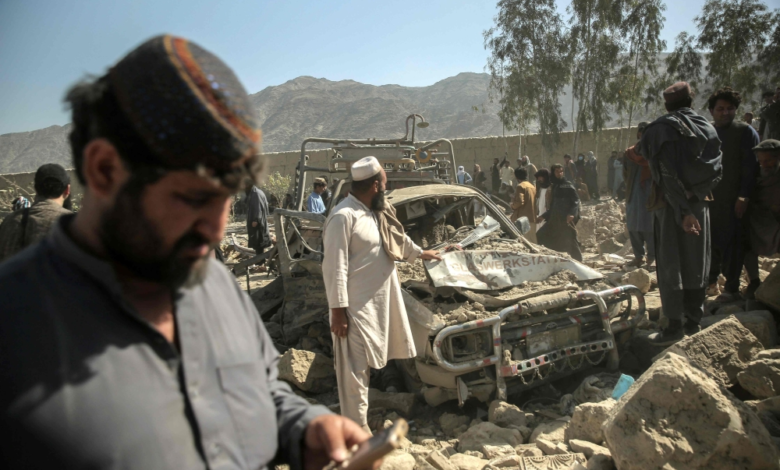
Pakistani-Afghan relations witnessed a dramatic shift and a dangerous military escalation early Friday morning, as violent explosions rocked the Afghan capital Kabul and the southern city of Kandahar, following Islamabad's announcement of precise airstrikes targeting what it described as strongholds of anti-Pakistani militants inside Afghan territory.
Details of the night of terror in Kabul
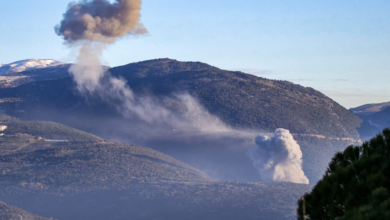
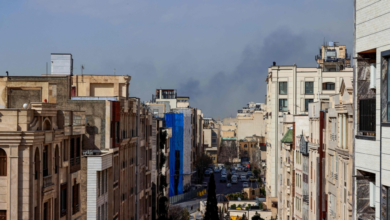
Eyewitnesses and local residents reported hearing loud explosions around 1:50 a.m. local time, followed by intense fighter jet activity over the capital. Residents confirmed that at least eight explosions rocked the city. The initial explosions were relatively distant, while subsequent ones occurred closer to residential areas, causing widespread panic. The airstrikes were followed by sporadic gunfire that continued into the early morning hours.
The official narrative and motives for the attack
In the first official comment, Pakistani Information Minister Attaullah Tarar confirmed via the X platform that the Pakistani Air Force targeted "defensive targets" belonging to the Pakistani Taliban (TTP) in Kabul, Paktia province, and Kandahar. This direct military action came just hours after the Afghan Taliban government announced a border attack that resulted in the killing and capture of Pakistani soldiers, in retaliation for what it described as earlier Pakistani artillery shelling.
Background of historical conflict and tension
This event cannot be separated from the context of escalating tensions between the two neighbors since the Taliban's return to power in Kabul in 2011. Islamabad has long accused its western neighbor of harboring members of the banned Pakistani Taliban, who launch deadly attacks deep inside Pakistan from safe havens across the border. Despite Kabul's persistent denials of these accusations and its insistence that it will not allow its territory to be used against any neighboring country, the border issue, known as the Durand Line, remains a ticking time bomb between the two sides.
The repercussions of the attack and its regional dimensions
The bombing of Kabul marks a significant escalation in the rules of engagement between the two countries, as previous skirmishes were largely confined to the rugged, mountainous border regions. This attack carries a strong political and military message from the Pakistani military establishment that it will not hesitate to target deep inside Afghanistan to protect its national security.
Observers believe this escalation could drag the region into a new cycle of violence, further destabilizing already fragile regional stability. This development also presents the Taliban government with a significant challenge in determining its response, whether military or diplomatic, at a time when the country is grappling with a severe economic and humanitarian crisis.