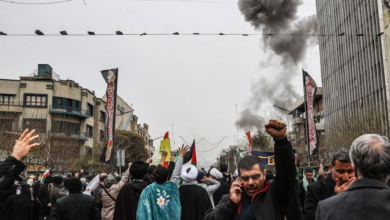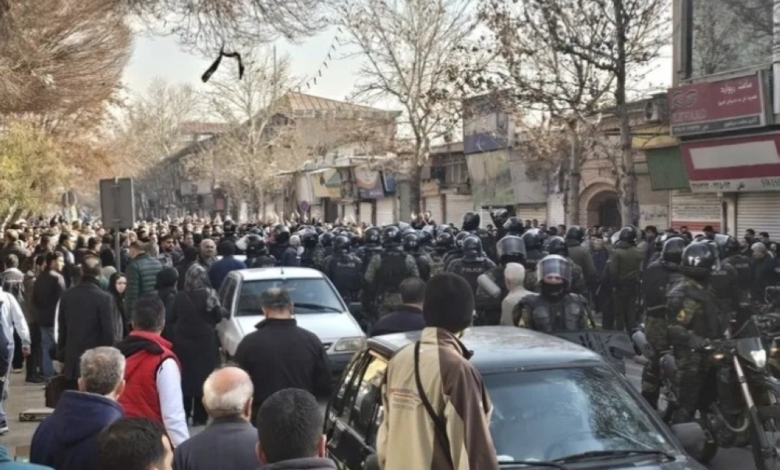

Internet services were partially restored in Iran on Sunday after a ten-day nationwide blackout, according to online monitoring groups. This development follows a period of digital isolation imposed by authorities in conjunction with a widespread security crackdown to quell popular protests, which human rights reports indicate resulted in casualties.
Digital Isolation Strategy
This blackout was not an isolated incident, but rather part of a recurring strategy employed by Tehran to control the flow of information. Since the night of January 8, authorities have imposed an unprecedented blackout as the protests have spread. In these instances, Iran relies on its own infrastructure, known as the "National Information Network," which allows the government to disconnect the country from the global internet while maintaining some essential local services. This facilitates the suppression of information about events on the ground and prevents protesters from organizing, documenting abuses, or sharing them with the outside world.
Economic and human rights repercussions
Beyond the security and political dimensions, the internet blackout is casting a heavy shadow on Iran's already struggling economy. This disruption is paralyzing the business sector and startups that rely on digital applications, exacerbating the economic crisis that initially sparked the protests. Furthermore, international human rights organizations have argued that the internet shutdown was a cover for carrying out repressive campaigns away from the scrutiny of the international community, warning that the limited restoration of service may indicate that the security forces have regained control of the situation on the ground.
Background of the protests and the official stance
These protests were sparked on December 28 against the backdrop of deteriorating living and economic conditions, but they quickly turned into a political movement raising slogans against the regime that has been in place since 1979. This wave is the biggest challenge to the Iranian leadership since the protests of late 2022 that followed the death of young woman Mahsa Amini.
In contrast, Iranian officials described the demonstrations as having turned into "riots" and acts of vandalism against public property, supported from abroad. As the protests lost momentum in recent days, government sources confirmed that calm had returned to the country, with schools announcing their reopening on Sunday after a week of enforced closure.