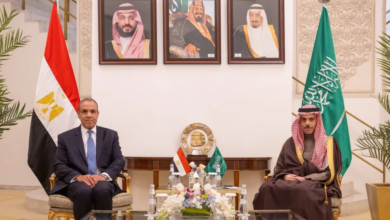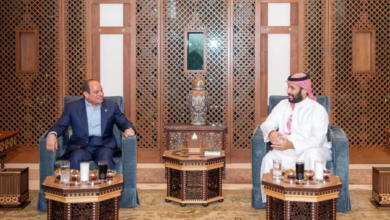

Amid international and regional anticipation, reports are emerging of intensive diplomatic efforts aimed at forming what is being called a "Peace Council," in a new and serious attempt to break the deadlock in the Gaza agreement negotiations. This development comes amid cautious optimism prevailing in political circles, where this step is seen as a potential lifeline to save the region from scenarios of open escalation.
Context of the crisis and the stalled negotiations
To understand the significance of this step, it is essential to return to the broader context. Since the outbreak of war on October 7th, the region has witnessed marathon rounds of negotiations mediated by Egypt, Qatar, and the United States. Despite previous temporary ceasefires, the negotiating process has recently run into a wall of intransigence and reciprocal preconditions, particularly concerning sensitive issues such as the Philadelphi Corridor, the return of displaced persons to northern Gaza, and the mechanisms for exchanging prisoners and detainees. This stalemate has not only perpetuated the humanitarian suffering but also threatened to completely derail the mediation efforts.
The importance of the "Peace Council" and its anticipated role
The significance of forming the anticipated "Peace Council" lies in its potential to internationalize the solution or broaden the scope of guarantees, which could give negotiations new momentum. Analyses suggest that this council may include influential regional and international powers, aiming to establish a binding framework for all parties. The council is expected to focus on:
- Unifying the visions of the mediators to present proposals that cannot be rejected.
- He laid out a clear roadmap for the "day after" phase of the war, a file that has long been a major obstacle.
- Ensuring a sustainable and sufficient flow of humanitarian aid to avert the risk of famine.
Expected impacts locally and regionally
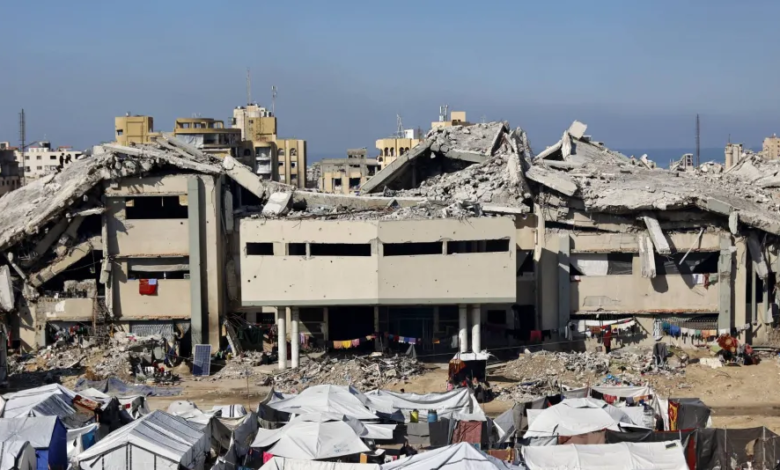
Domestically, the success of this formation represents a glimmer of hope for the residents of the Gaza Strip, who are living in catastrophic conditions. The council's success hinges on a ceasefire and the commencement of relief and reconstruction efforts. Regionally, resolving the impasse surrounding the "Gaza Agreement" is key to de-escalating tensions on other fronts, particularly in southern Lebanon and the Red Sea, where tensions are directly linked to the course of the war in Gaza.
Cautious optimism amid existing challenges
Despite the media and political momentum, optimism remains cautious. The challenges facing the Peace Council are significant, most notably the wide divergence in political positions among the warring parties and the internal pressures facing the governments involved. However, the growing international consensus on the need to end the war may prove to be the strongest leverage for the success of these efforts and for prioritizing diplomacy over force.