
The United Arab Emirates expressed its profound welcome and full support for the tireless and ongoing efforts of the sisterly Kingdom of Saudi Arabia to achieve security, stability, and peace in the Republic of Yemen. This stance underscores the deep fraternal relations and historical ties that bind the Gulf Cooperation Council (GCC) states, and reflects a commitment to ending the humanitarian suffering endured by the brotherly Yemeni people.
The UAE Ministry of Foreign Affairs, in a statement, commended Saudi Arabia's efforts to create a conducive political environment that encourages all Yemeni parties to engage in dialogue to reach a comprehensive and sustainable political solution that ends the ongoing conflict. The Ministry affirmed that Saudi Arabia's role is a cornerstone of regional security, noting that the UAE stands shoulder to shoulder with the Kingdom in all steps it takes to ensure Yemen's stability and prosperity.
Context of the crisis and diplomatic efforts
Yemen has been experiencing a complex political and humanitarian crisis for several years, casting a shadow over all aspects of life and causing a deterioration in the economic and living conditions of its citizens. Since the launch of the Arab Coalition's operations to support legitimacy, the Kingdom of Saudi Arabia has played a leading role not only militarily, but also diplomatically and in the humanitarian sphere. This was clearly demonstrated by the Kingdom's sponsorship of the Riyadh Agreement and the establishment of the Yemeni Presidential Leadership Council, aimed at unifying the Yemeni ranks to confront the current challenges.
Economic and humanitarian support
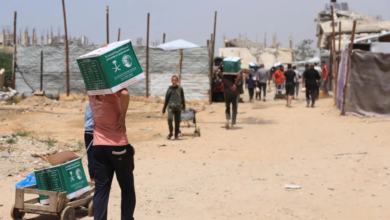
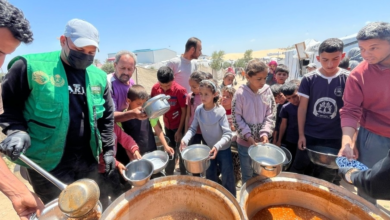
Saudi efforts are not limited to the political sphere; they extend to substantial economic support, exemplified by the financial deposits the Kingdom provided to the Central Bank of Yemen to bolster the local currency and prevent economic collapse. Furthermore, the King Salman Humanitarian Aid and Relief Center continues to deliver food and medical assistance to millions of Yemenis across various governorates, and the Saudi Program for the Development and Reconstruction of Yemen is implementing vital projects in the education, health, and infrastructure sectors.
The strategic importance of Yemen's stability
The stability of Yemen is of paramount strategic importance not only to Yemenis, but to the Arab region and the world at large. Yemen overlooks the Bab el-Mandeb Strait, one of the most vital waterways for global trade and energy transport. Therefore, ending the conflict and achieving lasting peace directly contributes to securing international navigation in the Red Sea and strengthens the national security of the Arab and Gulf states.
In closing its statement, the UAE reiterated its call to the international community to support Saudi and UN efforts, and urged all Yemeni parties to prioritize the supreme national interest and respond to the initiatives proposed to end the war and begin a new phase of construction and development, in order to achieve the aspirations of the Yemeni people for security and prosperity.