
تُعد بعثات السلام الدولية ركيزة أساسية للحفاظ على الأمن والاستقرار في المناطق المضطربة حول العالم. ومع ذلك، تواجه هذه البعثات تحديات متزايدة تهدد فعاليتها وقدرتها على تحقيق أهدافها النبيلة. فمنذ عقود، تعمل قوات حفظ السلام في بؤر توتر معقدة، لكن تصاعد الصراعات ونقص التمويل المزمن باتا يستنزفان جهودها، مهددين بتقويض المكاسب التي تحققت بشق الأنفس. ويُعد الوضع في لبنان والصومال مثالين صارخين على هذه المعضلة العالمية.
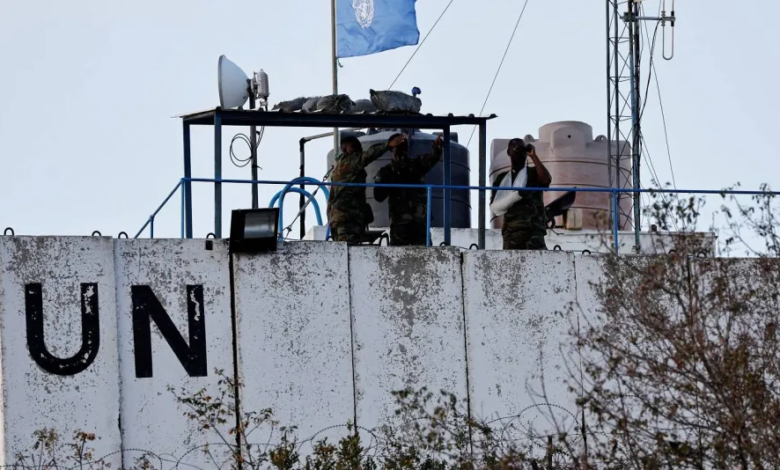
في لبنان، تتجلى تعقيدات المشهد الأمني والسياسي بشكل واضح. فمنذ الحرب الأهلية (1975-1990) وصولاً إلى الأزمات الاقتصادية والسياسية المتلاحقة، لطالما كان لبنان على حافة الهاوية. وتلعب قوة الأمم المتحدة المؤقتة في لبنان (اليونيفيل)، التي تأسست عام 1978، دوراً حيوياً في مراقبة وقف الأعمال العدائية ودعم القوات المسلحة اللبنانية في جنوب البلاد. ومع ذلك، فإن التوترات المتصاعدة على الحدود الجنوبية، خاصة في ظل التطورات الإقليمية الأخيرة، تضع اليونيفيل تحت ضغط هائل. إن وجود جماعات مسلحة غير حكومية وتحديات السيادة الوطنية، إلى جانب الحاجة الملحة لدعم الجيش اللبناني الذي يعاني من نقص التمويل، كلها عوامل تزيد من تعقيد مهمة البعثة وتجعلها أكثر هشاشة.
أما في الصومال، فتعكس بعثات السلام قصة مختلفة من التحديات، لكنها لا تقل خطورة. فمنذ انهيار الدولة المركزية عام 1991، غرقت الصومال في فوضى عارمة وصراعات داخلية، مما أفسح المجال لظهور جماعات متطرفة مثل حركة الشباب. وقد لعبت بعثة الاتحاد الأفريقي في الصومال (أميسوم) سابقاً، وحالياً بعثة الاتحاد الأفريقي الانتقالية في الصومال (أتميس)، دوراً محورياً في مكافحة الإرهاب ودعم الحكومة الفيدرالية الصومالية في جهود بناء الدولة. ومع ذلك، تواجه هذه البعثات تحديات هائلة تتعلق بالتمويل المستدام، وتدريب القوات الصومالية، وتأمين المناطق المحررة. إن الانسحاب التدريجي لقوات أتميس، المصحوب بنقص في التمويل الدولي لتدريب القوات المحلية، يثير مخاوف جدية بشأن قدرة الصومال على الحفاظ على الأمن والاستقرار بمفردها، مما قد يؤدي إلى فراغ أمني تستغله الجماعات المتطرفة.
إن التحدي المزدوج المتمثل في تصاعد بؤر التوتر ونقص التمويل يهدد بتقويض جوهر عمليات حفظ السلام. فمن جهة، تتطلب البيئات الأمنية المعقدة والمتغيرة باستمرار، والتي تشمل حروباً غير متكافئة وتهديدات إرهابية، موارد بشرية ومادية وتقنية أكبر. ومن جهة أخرى، يؤدي نقص التمويل إلى تقليص القدرات التشغيلية للبعثات، ويؤثر على رفاهية حفظة السلام، ويعيق تنفيذ ولاياتهم بشكل كامل. هذا النقص لا يؤثر فقط على المعدات والتدريب، بل يمتد ليشمل البرامج الإنسانية والتنموية التي تُعد جزءاً لا يتجزأ من استراتيجيات بناء السلام على المدى الطويل.
إن تداعيات هذا الاستنزاف تتجاوز حدود الدول المتأثرة لتشمل الأمن الإقليمي والدولي. فعدم الاستقرار في لبنان يمكن أن يزعزع استقرار منطقة الشرق الأوسط بأكملها، بينما يمكن أن يؤدي ضعف الصومال إلى تفاقم أزمة القرصنة والإرهاب في القرن الأفريقي. لذا، يتطلب الأمر التزاماً دولياً متجدداً، ليس فقط بتقديم الدعم المالي الكافي والمستدام، بل أيضاً بتطوير استراتيجيات أكثر مرونة وابتكاراً لتمكين بعثات السلام من التكيف مع التحديات الجديدة. يجب على المجتمع الدولي أن يدرك أن الاستثمار في السلام ليس مجرد عمل خيري، بل هو استثمار في الأمن العالمي المشترك.