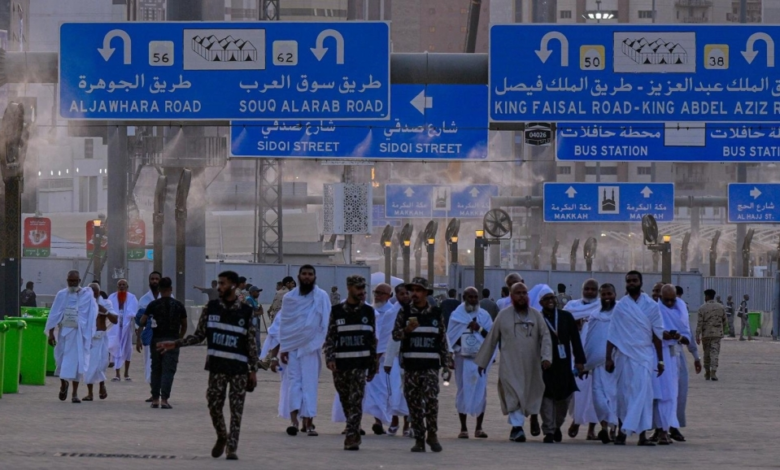

بدأ حجاج بيت الله الحرام، مع إشراقة صباح اليوم الثامن من شهر ذي الحجة، بالتوافد إلى مشعر منى لقضاء يوم التروية، مقتدين في ذلك بسنة المصطفى محمد -صلى الله عليه وسلم-. وتأتي هذه الخطوة المباركة وسط أجواء إيمانية وروحانية مفعمة بالتلبية والتسبيح والتكبير، حيث تتوجه القلوب والأبصار نحو أداء الركن الخامس من أركان الإسلام.
ماذا يعني يوم التروية؟
يُعرف اليوم الثامن من ذي الحجة بيوم التروية، وسُمي بهذا الاسم لأن الحجاج كانوا قديماً يتروون فيه من الماء ويحملونه معهم من مكة إلى منى وعرفة، استعداداً للوقوف الطويل في الأيام المقبلة حيث لم تكن تلك المشاعر تضم مصادر كافية للمياه. وفي هذا اليوم، تُؤكد الشريعة الإسلامية أن توجه الحجاج إلى منى والمبيت فيها قبل التوجه إلى صعيد عرفات يُعد سنة مؤكدة لمن تيسر له ذلك.
بالنسبة للحجاج المتمتعين، فإنهم يُحرمون بالحج من أماكن إقامتهم، سواء داخل مكة المكرمة أو خارجها، ثم يتوجهون مع بقية الحجاج من القارنين والمفردين للمبيت في مشعر منى حتى طلوع شمس اليوم التاسع. بعد ذلك، ينفرون إلى مشعر عرفات لأداء الركن الأعظم (الوقفة الكبرى)، ثم يعودون إلى منى مجدداً بعد الإفاضة من مزدلفة لقضاء أيام التشريق (10، 11، 12، 13) ورمي الجمرات الثلاث، ما لم يتعجلوا، امتثالاً لقوله تعالى: (وَاذْكُرُوا اللَّهَ فِي أَيَّامٍ مَّعْدُودَاتٍ ۚ فَمَن تَعَجَّلَ فِي يَوْمَيْنِ فَلَا إِثْمَ عَلَيْهِ وَمَن تَأَخَّرَ فَلَا إِثْمَ عَلَيْهِ ۚ لِمَنِ اتَّقَىٰ).
الأهمية الجغرافية والتاريخية لمشعر منى
يقع مشعر منى الجغرافي بين مكة المكرمة ومزدلفة، على بُعد حوالي سبعة كيلومترات شمال شرق المسجد الحرام. يُعد هذا المشعر جزءاً لا يتجزأ من الحرم المكي، وتحيط به الجبال من الجهتين الشمالية والجنوبية. ومن اللافت للنظر أن هذا الوادي لا يُسكن إلا خلال فترة موسم الحج، ويحده من جهة مكة جمرة العقبة، ومن جهة مزدلفة وادي محسر.
تاريخياً ودينياً، يحمل مشعر منى مكانة عظيمة في قلوب المسلمين؛ ففيه رمى نبي الله إبراهيم -عليه السلام- الجمار، وفيه وقعت قصة فداء إسماعيل -عليه السلام- بالكبش العظيم. وقد أكد النبي محمد -صلى الله عليه وسلم- هذه السنن في حجة الوداع، ليقتدي بها المسلمون في كل زمان ومكان في رمي الجمرات وذبح الهدي والحلق.
معالم منى وأحداثها الخالدة
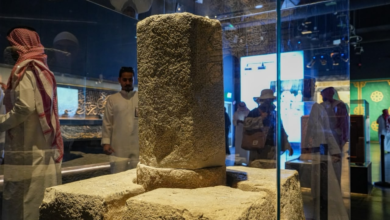
يضم مشعر منى معالم بارزة، أهمها الشواخص الثلاثة التي تُرمى، بالإضافة إلى ‘مسجد الخيف’ التاريخي. استمد هذا المسجد اسمه من موقعه المنحدر عن غلظ الجبل والمرتفع عن مسيل الماء، ويقع على السفح الجنوبي لجبل منى بالقرب من الجمرة الصغرى. وقد صلى في هذا المسجد النبي -صلى الله عليه وسلم- والعديد من الأنبياء قبله، ولا يزال قائماً حتى اليوم، حيث شهد توسعات وعمارة شاملة في عام 1407هـ.
كما شهدت منى أحداثاً غيرت مجرى التاريخ الإسلامي، أبرزها بيعتا العقبة الأولى والثانية؛ حيث بايع النبي -صلى الله عليه وسلم- 12 رجلاً من الأوس والخزرج في السنة الثانية عشرة للبعثة، تلتها البيعة الثانية في العام التالي بمبايعة 73 رجلاً وامرأتين من أهل المدينة المنورة في الموقع نفسه شمال شرق جمرة العقبة. وإحياءً لهذه الذكرى التي عاهد فيها الأنصار رسول الله على نصرته وحمايته، بنى الخليفة العباسي أبو جعفر المنصور ‘مسجد البيعة’ عام 144هـ بأسفل جبل ‘ثبير’. كما شهدت منى نزول سورة ‘المرسلات’ على النبي وهو في غارٍ بها.
التأثير الإقليمي والدولي وجهود المملكة
على الصعيدين الإقليمي والدولي، يُمثل تجمع ملايين الحجاج في مشعر منى رسالة عالمية للسلام والوحدة والمساواة بين المسلمين من شتى بقاع الأرض، حيث تذوب الفوارق وتتوحد القلوب. ولضمان نجاح هذا التجمع البشري الهائل الذي يُعد الأكبر من نوعه عالمياً، تولي حكومة المملكة العربية السعودية عناية فائقة واستثنائية بمشعر منى.
وقد سخرت القيادة الرشيدة -أيدها الله- كافة الإمكانات البشرية والمادية، ووفرت منظومة متكاملة من الخدمات الأمنية، والطبية، والتموينية. كما تم تجهيز أحدث وسائل النقل، ومخيمات متطورة ومكيفة ومقاومة للحريق لضمان راحة ضيوف الرحمن وتسهيل أداء مناسكهم في أجواء من الطمأنينة والروحانية، مع توجيه كافة الجهات الحكومية والخدمية للعمل بجد وإخلاص لإنجاح موسم الحج.