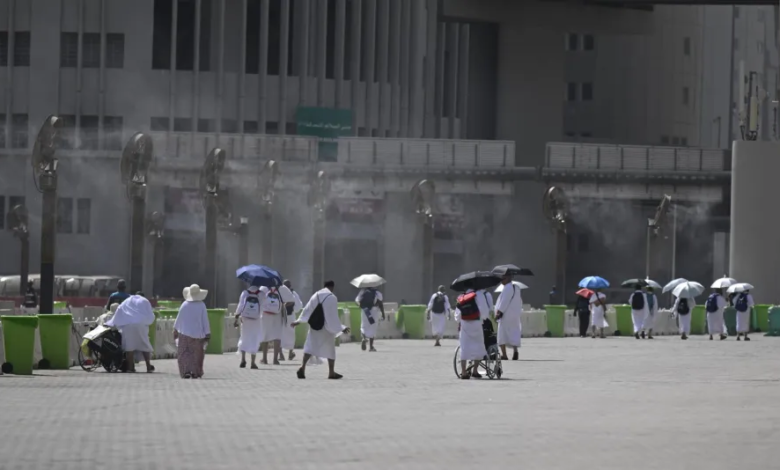

توافد الحجاج إلى مشعر منى في يوم التروية
بدأ حجاج بيت الله الحرام، منذ ساعات الصباح الأولى، بالتوافد إلى مشعر منى لقضاء يوم التروية والمبيت فيه، وذلك عشية الوقوف بصعيد عرفات الطاهر لأداء الركن الأعظم من مناسك الحج. وتأتي هذه الخطوة المباركة اتباعاً لسنة النبي محمد صلى الله عليه وسلم، حيث يُحرم الحجاج المتمتعون من أماكن سكنهم، ويتوجهون مع بقية ضيوف الرحمن إلى منى ملبين ومكبرين، في مشهد إيماني مهيب يجسد أسمى معاني الخضوع والتضرع لله عز وجل، راجين رحمته ومغفرته.
السياق التاريخي والديني ليوم التروية والمبيت في منى
يُعرف اليوم الثامن من شهر ذي الحجة بـ “يوم التروية”، وقد سُمي بهذا الاسم لأن الحجاج قديماً كانوا يتروون فيه من الماء ويحملونه معهم استعداداً للوقوف بعرفة، حيث لم تكن المياه متوفرة هناك في تلك الحقبة الزمنية. ويُعد مشعر منى، الذي يُلقب بـ “مدينة الخيام”، من أكبر المشاعر المقدسة مساحة، ويتميز باحتوائه على مئات الآلاف من الخيام المطورة والمكيفة التي صُممت خصيصاً لإيواء ضيوف الرحمن وفق أعلى معايير الأمن والسلامة.
تاريخياً، يمثل المبيت في منى محطة هامة في رحلة الحج، حيث اقتدى المسلمون عبر القرون بما فعله النبي عليه الصلاة والسلام في حجة الوداع. يقضي الحجاج يومهم في منى في الصلاة والذكر وقراءة القرآن، حيث يُصلون الظهر والعصر والمغرب والعشاء قصراً دون جمع، ثم يُصلون فجر اليوم التاسع قبل التوجه إلى جبل عرفات.
أهمية الحدث: الاستعداد للركن الأعظم
تتجلى أهمية المبيت في منى في كونه التهيئة الروحية والجسدية لأداء الركن الأعظم من الحج، وهو الوقوف بعرفة. فقد قال النبي صلى الله عليه وسلم: “الحج عرفة”، مما يؤكد أن هذا اليوم هو ذروة سنام الحج. في صبيحة اليوم التاسع، تتوجه هذه الحشود المليونية نحو صعيد عرفات، للوقوف هناك حتى غروب الشمس، في يوم تُغفر فيه الذنوب وتُعتق الرقاب من النار، وهو مشهد يترقبه ملايين المسلمين حول العالم بشوق وخشوع.
التأثير والجهود المبذولة محلياً ودولياً
على الصعيد المحلي، تستنفر المملكة العربية السعودية كافة طاقاتها وجهودها لخدمة ضيوف الرحمن. وتشهد عملية تصعيد الحجاج إلى مشعر منى تنظيماً دقيقاً تشارك فيه مختلف القطاعات الأمنية والصحية والخدمية. يتم توفير شبكات نقل متطورة، بما في ذلك قطار المشاعر المقدسة وحافلات النقل الترددي، لضمان انسيابية الحركة وتجنب الازدحام. كما تنتشر الفرق الطبية والمستشفيات الميدانية لتقديم الرعاية الصحية الفورية لأي حالة طارئة، مما يعكس حجم الرعاية الفائقة المقدمة.
أما على الصعيدين الإقليمي والدولي، فإن موسم الحج يمثل أكبر تجمع بشري سنوي في العالم، حيث تذوب فيه الفوارق الطبقية والعرقية واللغوية. يجتمع المسلمون من شتى بقاع الأرض بلباس الإحرام الأبيض الموحد، مما يبعث برسالة عالمية قوية عن المساواة والسلام والوحدة الإسلامية. وتحظى هذه الشعائر بتغطية إعلامية دولية واسعة، حيث تتابع الشعوب الإسلامية في كل مكان هذه اللحظات الروحانية العظيمة، مما يعزز الروابط الثقافية والدينية بين مختلف المجتمعات.
إن نجاح إدارة هذا التجمع المليوني الضخم يعكس قدرة فائقة على التنظيم وإدارة الحشود، ويؤكد على الدور المحوري الذي تلعبه المملكة في رعاية المقدسات الإسلامية وتيسير أداء المناسك لملايين المسلمين الذين يفدون إليها سنوياً بقلوب تملؤها السكينة والرجاء في قبول أعمالهم.