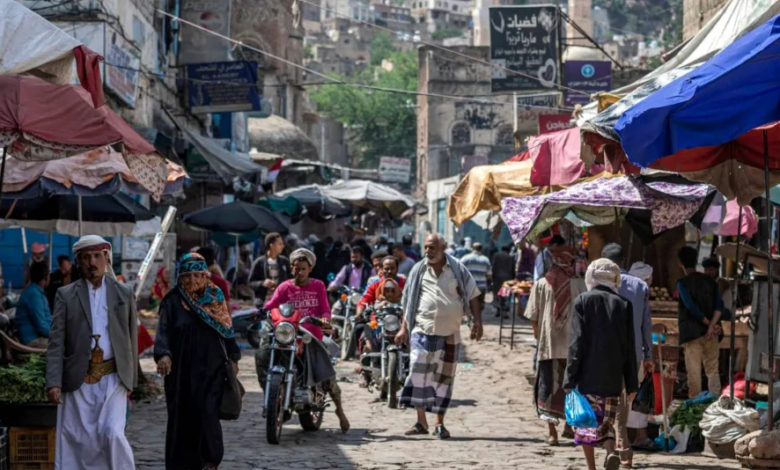

مع اقتراب عيد الفطر المبارك، تتحول أسواق مدينة تعز اليمنية إلى ساحة صامتة تعكس حجم المأساة الاقتصادية التي تعيشها البلاد. فبدلاً من أن تضج بالحياة والبهجة استعداداً لاستقبال العيد، تخيم عليها حالة من الركود والقلق، حيث يقف المواطنون عاجزين أمام الارتفاع الجنوني للأسعار الذي يخنق فرحتهم ويسرق من أطفالهم بهجة هذه المناسبة العظيمة.
أجواء العيد في ظل أزمة خانقة
لم يعد العيد في تعز كما كان. فالتقاليد التي كانت جزءاً لا يتجزأ من الاحتفالات، مثل شراء الملابس الجديدة للأطفال وتحضير الحلويات التقليدية، أصبحت ترفاً لا يقدر عليه إلا القليل. تشهد أسعار المواد الغذائية الأساسية والملابس ارتفاعات قياسية، مدفوعة بانهيار قيمة الريال اليمني وتداعيات الحرب المستمرة منذ سنوات. يتجول الآباء والأمهات في الأسواق، حاملين هموماً تفوق قدرتهم على الشراء، ويعودون إلى منازلهم خاليي الوفاض، تاركين وراءهم نظرات أطفالهم المليئة بالخيبة والأمل.
السياق العام والخلفية التاريخية للأزمة
تعود جذور هذه الأزمة إلى الصراع الدائر في اليمن منذ عام 2014، والذي ألقى بظلاله الثقيلة على كل مناحي الحياة. ومدينة تعز، التي ظلت لسنوات طويلة في قلب خطوط المواجهة وتعاني من حصار جزئي، دفعت ثمناً باهظاً. أدى الحصار وتقسيم المدينة إلى إعاقة حركة البضائع والتجارة، مما تسبب في ندرة السلع وارتفاع تكاليف النقل، وهو ما انعكس مباشرة على أسعار المستهلك. كما أدى انقسام المؤسسات المالية والبنك المركزي إلى تفاقم الأزمة النقدية، مما سرّع من وتيرة تدهور العملة المحلية وزاد من معدلات التضخم بشكل غير مسبوق.
أهمية الحدث وتأثيره المتوقع
إن حرمان سكان تعز من فرحة العيد ليس مجرد أثر اقتصادي عابر، بل له تداعيات اجتماعية ونفسية عميقة. على المستوى المحلي، يؤدي هذا الوضع إلى زيادة الشعور بالإحباط واليأس، ويقوض النسيج الاجتماعي الذي يعتمد على التكافل والمشاركة في المناسبات الدينية. كما أنه يفاقم من معاناة الفئات الأكثر ضعفاً، خاصة الأطفال والنازحين. أما على الصعيدين الإقليمي والدولي، فإن هذه الصورة المؤلمة من تعز تسلط الضوء مجدداً على حجم الكارثة الإنسانية في اليمن، وتؤكد على الحاجة الملحة للتوصل إلى حل سياسي شامل ينهي الصراع ويعيد الاستقرار الاقتصادي، ويتيح للمنظمات الإنسانية تقديم الدعم اللازم لملايين المتضررين الذين باتوا يعيشون على حافة المجاعة.