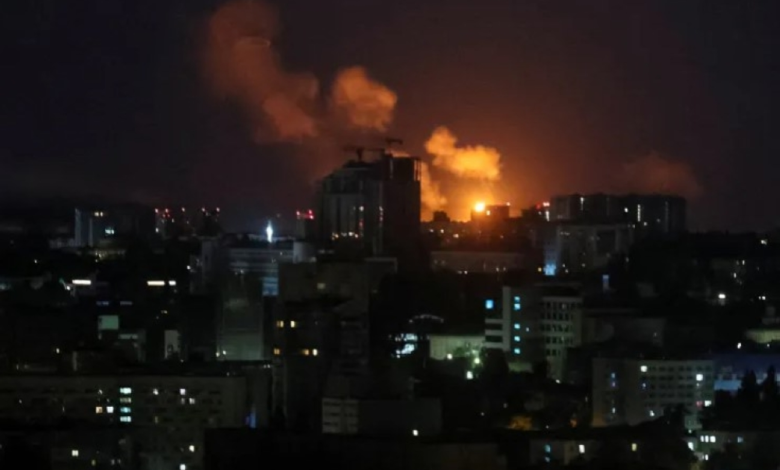
Putin halts shelling of Kyiv at Trump's request, paving the way for negotiations

In a significant development in the ongoing war in Eastern Europe, the Kremlin officially announced on Friday that Russian President Vladimir Putin had agreed to suspend air and missile strikes on the Ukrainian capital, Kyiv, and surrounding areas. This decision came in response to a direct request from US President Donald Trump, with Moscow setting the ceasefire to last for one week, ending on Sunday, February 1st.
Details of the American initiative and the Russian response
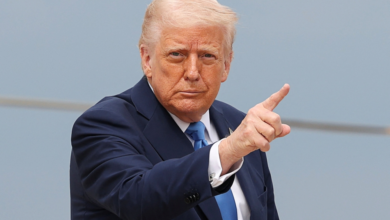
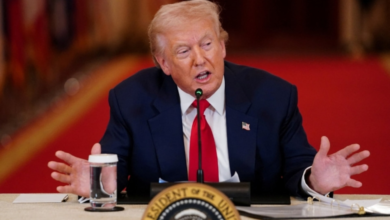
Kremlin spokesman Dmitry Peskov revealed that US President Donald Trump personally contacted President Putin, asking him to refrain from launching airstrikes on Kyiv. Trump justified his request by citing the severe cold wave currently gripping Ukraine, which has exacerbated the suffering of civilians. During a cabinet meeting, Trump stated, "They've never experienced such cold weather before... I personally asked President Putin to stop the bombing, and he agreed. It was a very kind gesture.".
Despite the humanitarian tone of Trump's request, Moscow framed the move within a strategic political context. The Kremlin emphasized that the primary objective of this suspension was to "create favorable conditions for negotiations" currently being led by Washington, in an effort to end the war, which is nearing its fourth year. This suggests intensive diplomatic activity behind the scenes aimed at resolving the conflict.
The humanitarian crisis and the energy war
This temporary lull comes at a time when Ukraine is suffering from a severe energy crisis. Recent Russian military strategy has focused on targeting energy infrastructure, resulting in widespread power outages, heating shortages, and water shortages affecting millions of people. With temperatures plummeting, these disruptions have become a humanitarian crisis, threatening the lives of many and making a cessation of attacks an urgent necessity to avert an even greater catastrophe.
Kyiv's position and prospects for a peaceful solution
Ukrainian President Volodymyr Zelensky welcomed the move, confirming on social media that no strikes had been recorded against energy facilities overnight. Zelensky also signaled a willingness to compromise, telling reporters, "If Russia doesn't strike our energy infrastructure, we won't strike theirs." This statement reflects a potential shift toward mutual de-escalation, which could pave the way for more serious peace talks to end the conflict that has drained the resources of both countries and significantly impacted the global economy and regional security.