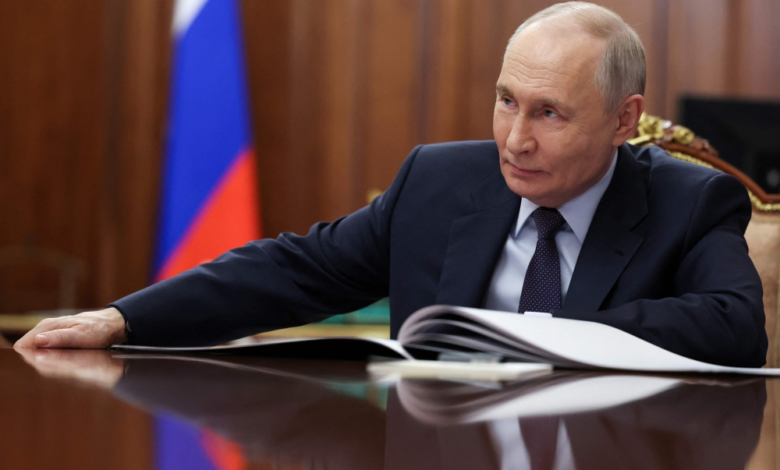

في تطور دبلوماسي بارز يعكس تنامي الدور الروسي في القضايا الإقليمية، أعرب الرئيس الروسي فلاديمير بوتين عن استعداده الكامل للتوسط من أجل إيجاد تسوية شاملة للحرب الدائرة في منطقة الشرق الأوسط. جاء هذا الإعلان خلال اتصال هاتفي أجراه مع نظيره الإيراني مسعود بيزشكيان، وفقاً لما أعلنه الكرملين يوم الأحد.
تفاصيل المبادرة الروسية للسلام
وأفاد البيان الرسمي الصادر عن الكرملين بأن الرئيس فلاديمير بوتين شدد خلال المحادثة على استعداده لمواصلة تسهيل البحث عن تسوية سياسية ودبلوماسية للنزاع المتصاعد، والتوسط في الجهود الدولية الهادفة إلى تحقيق سلام عادل ودائم في الشرق الأوسط. تأتي هذه الخطوة في وقت تشهد فيه المنطقة توترات غير مسبوقة ومساعي دولية حثيثة لاحتواء الأزمة ومنع انزلاقها إلى حرب إقليمية شاملة.
السياق العام والخلفية التاريخية للحدث
تتزامن هذه المبادرة الروسية مع استمرار الحرب في قطاع غزة منذ السابع من أكتوبر 2023، والتي ألقت بظلالها على استقرار المنطقة بأسرها، وجذبت أطرافاً إقليمية ودولية متعددة. تاريخياً، حافظت روسيا على علاقات متوازنة ومعقدة مع مختلف القوى الفاعلة في الشرق الأوسط، بما في ذلك إسرائيل، وإيران، والدول العربية، والفصائل الفلسطينية.
وفي السنوات الأخيرة، شهدت العلاقات الروسية الإيرانية تقارباً استراتيجياً ملحوظاً، تعزز بفعل العقوبات الغربية المفروضة على كلا البلدين، والتعاون المشترك في عدة ملفات إقليمية مثل الأزمة السورية. هذا التقارب يمنح موسكو ورقة ضغط وقناة تواصل فعالة مع طهران، التي تُعد لاعباً رئيسياً في معادلة الأمن الإقليمي، مما يجعل الوساطة الروسية ذات ثقل نوعي ومؤثر في مسار الأحداث.
أهمية الحدث وتأثيره المتوقع إقليمياً ودولياً
على الصعيد الإقليمي، يحمل العرض الروسي أهمية كبرى؛ إذ يمثل محاولة جادة لتهدئة التوترات بين إسرائيل وإيران وحلفائها في المنطقة. دخول روسيا كطرف وسيط قد يوفر بديلاً أو مكملاً لجهود الوساطة التقليدية التي تقودها الولايات المتحدة الأمريكية، والتي تواجه تحديات وانتقادات من بعض الأطراف الإقليمية التي تبحث عن وسطاء جدد.
أما على الصعيد الدولي، فإن تحرك بوتين يعكس استراتيجية موسكو الرامية إلى تأكيد حضورها كقوة عظمى قادرة على إرساء الاستقرار وحل النزاعات المعقدة، حتى في ظل انشغالها بالعملية العسكرية الخاصة في أوكرانيا. هذا التوجه يعزز من رؤية روسيا لعالم متعدد الأقطاب، حيث لا تنفرد قوة واحدة بإدارة الأزمات الدولية وتوجيه مسارات السلام.
في الختام، يبقى نجاح هذه الوساطة مرهوناً بمدى تجاوب الأطراف المعنية، وقدرة الدبلوماسية الروسية على تقديم ضمانات وحلول مقبولة تلبي التطلعات الأمنية والسياسية لجميع الأطراف، وتؤسس لمرحلة جديدة من الاستقرار المستدام في الشرق الأوسط.