
نقلة نوعية في خدمة ضيوف الرحمن
يعتبر توفير بيئة مريحة وآمنة لضيوف الرحمن من أهم الأولويات التي تسعى المملكة العربية السعودية لتحقيقها سنوياً. وفي هذا السياق، يبرز مشروع رابية كدانة كخطوة استراتيجية ونقلة نوعية في منظومة إسكان الحجاج في منى، حيث يهدف إلى تطوير نموذج حديث ومبتكر للضيافة يتناسب مع تطلعات رؤية السعودية 2030 وبرنامج خدمة ضيوف الرحمن.
السياق التاريخي وتطور إسكان الحجاج في منى
تاريخياً، واجهت إدارة الحشود وإسكان الحجاج في مشعر منى تحديات جغرافية كبيرة نظراً لمحدودية المساحة الشرعية للمشعر، والذي يُعرف عالمياً بـ “مدينة الخيام”. على مر العقود، انتقلت المملكة من استخدام الخيام التقليدية إلى الخيام المطورة المقاومة للحريق لتوفير أقصى درجات الأمان. واليوم، يأتي التوجه نحو البناء العمودي كحل هندسي عبقري لاستيعاب الأعداد المتزايدة. يمثل هذا التحول استجابة ضرورية لضمان راحة الحجاج وتوفير مساحات إضافية دون المساس بالحدود الشرعية للمشعر، مما يعكس التطور المستمر في إدارة المشاعر المقدسة.
تفاصيل مشروع رابية كدانة
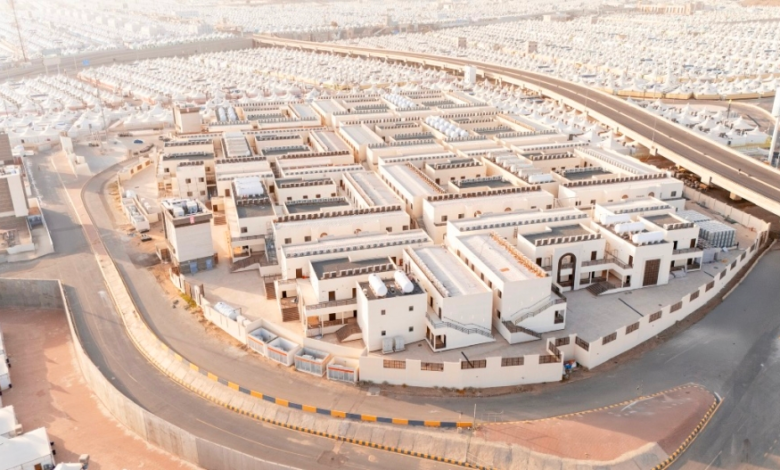
يمثل المشروع، الذي تنفذه شركة “كدانة للتنمية والتطوير” (الذراع التنفيذي للهيئة الملكية لمدينة مكة المكرمة والمشاعر المقدسة) بالتعاون مع وزارة الحج والعمرة وشركة إثراء الضيافة القابضة، بيئة سكنية متطورة تراعي أعلى معايير الخصوصية والراحة. يضم المشروع 8 مبانٍ حديثة مصممة بنظام الطابقين، وتمتد على مساحة إجمالية تتجاوز 33 ألف متر مربع، مما يعزز كفاءة الاستفادة من المساحات داخل المشاعر المقدسة.
مراحل التنفيذ والتشغيل
لضمان الجاهزية التامة والمبكرة للمواقع التشغيلية، تم تقسيم العمل في المشروع إلى مراحل دقيقة تشمل:
- المرحلة الأولى: تشهد تنفيذ 3 مبانٍ وتشغيل ما نسبته 37% من الطاقة الاستيعابية خلال موسم حج عام 1446هـ.
- المرحلة الثانية: سيتم استكمال المشروع بنسبة 100% للاستفادة من كامل طاقته الاستيعابية خلال موسم حج عام 1447هـ.
الأهمية والتأثير المتوقع للمشروع
على الصعيد المحلي، يدعم المشروع البنية التحتية للمشاعر المقدسة عبر حلول عمرانية حديثة تواكب النمو المتزايد في أعداد الحجاج، ويسهم في تعزيز انسيابية الحركة والتصعيد الآمن والمنظم وفق أعلى معايير السلامة. كما يحقق مستهدفات جودة الحياة والاستدامة البيئية. أما على الصعيدين الإقليمي والدولي، فإن هذا المشروع يبعث برسالة طمأنينة للعالم الإسلامي بأسره، مؤكداً قدرة المملكة على الابتكار في إدارة الحشود وتوفير سكن عصري وآمن، ويضع معياراً عالمياً جديداً في تصميم المدن المؤقتة التي تستضيف ملايين البشر في أيام معدودة.
في الختام، يأتي هذا المشروع العملاق كامتداد لجهود القيادة الرشيدة في تطوير مشاريع الإسكان بالمشاعر المقدسة، مما يسهم في رفع كفاءة الخدمات المقدمة لضيوف الرحمن، وجعل رحلتهم الإيمانية أكثر يسراً وطمأنينة.