Rafah crossing: Anticipation of a breakthrough after 20 months of restrictions

A sense of cautious anticipation and hope prevails among Palestinians, particularly in the Gaza Strip, as they await a breakthrough in the long-standing deadlock at the Rafah border crossing, which has been under strict restrictions for nearly 20 months. This news breathes new life into the vital artery connecting the Strip to the outside world, amid hopes of ending the suffering of thousands of stranded individuals and humanitarian cases.
The strategic and humanitarian importance of the Rafah crossing
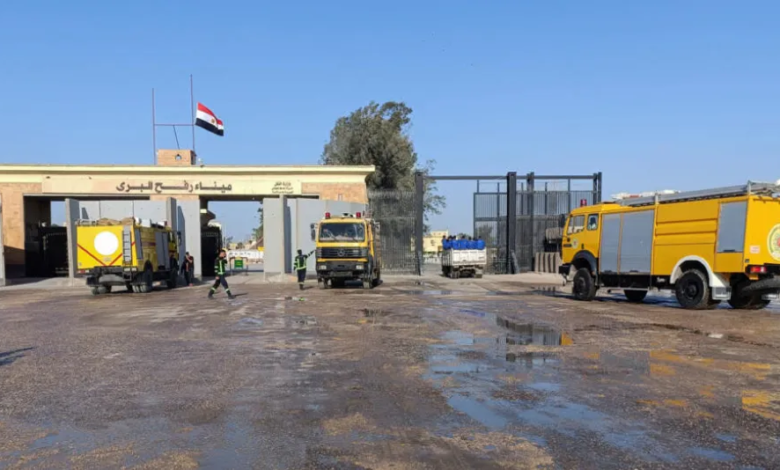
The Rafah crossing is the only land crossing into the Gaza Strip not under direct Israeli control, connecting the Strip to the Arab Republic of Egypt. For decades, the crossing has served as a lifeline for more than two million Palestinians living in the Strip. Its regular operation is of paramount importance, not only as a gateway for individuals, but also as a symbol of sovereignty and connection to the Arab and international world, free from the constraints of occupation.
The consequences of continued restrictions: a worsening humanitarian crisis
During the nearly 20-month period of restrictions, the humanitarian crisis in the Gaza Strip worsened significantly. Reduced working hours and frequent closures led to thousands of names accumulating on waiting lists at the Ministry of Interior in Gaza. These lists include highly vulnerable groups, most notably:
- Patients: Those who need urgent medical referrals to Egyptian hospitals or abroad due to the lack of medical capabilities in the sector.
- Students: Those studying at foreign universities who are at risk of losing their study places due to the inability to travel on schedule.
- Residence permit holders: Expatriates who may lose their jobs and residence permits in the Gulf States and Europe if they are unable to return.
Egypt's role and regional dimensions
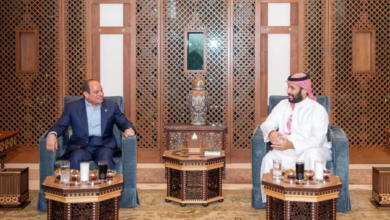
These moves to break the deadlock come within the context of Egypt's pivotal role in the Palestinian issue. Cairo has long been the primary sponsor of ceasefire and reconciliation efforts, and the management of the crossing is considered part of the complex security and political understandings in the region. Any anticipated easing of restrictions is seen as a positive step towards strengthening stability and alleviating the tension resulting from the ongoing blockade.
Economic and social impact
The impact of closing or restricting the crossing's operations is not limited to the humanitarian aspect; it extends to economic and social dimensions as well. Freedom of movement is essential for revitalizing limited trade and facilitating the exchange of expertise. The resumption of normal operations at the crossing would alleviate internal tensions and offer a glimmer of hope to the population that the long-standing siege might be genuinely weakened, thus bolstering the resilience of the Palestinian home front.