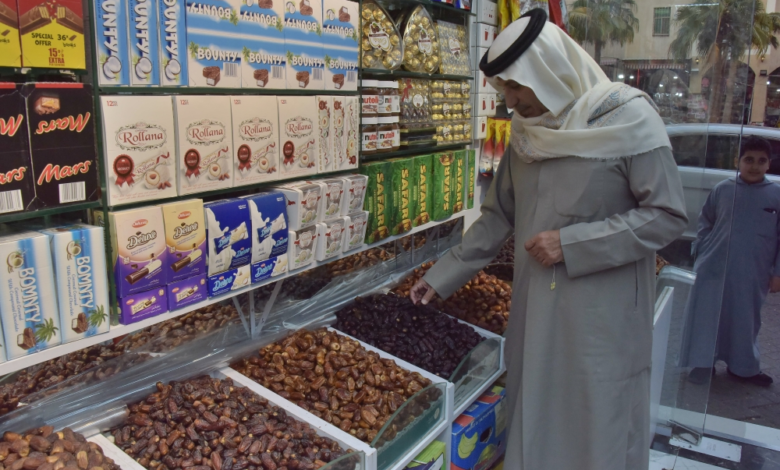

مع انتصاف شهر شعبان، تشهد الأسواق المحلية في المملكة ودول الخليج حراكاً تجارياً متصاعداً، حيث تبدأ الأسر في سباق مع الزمن لتأمين مستلزمات الشهر الفضيل. وتأتي هذه الخطوة الاستباقية كجزء من ثقافة استهلاكية متجذرة تهدف إلى تنظيم الوقت والميزانية، وتفادي موجات الازدحام الخانقة التي عادة ما تسبق رؤية هلال رمضان بساعات.
البعد الثقافي والاقتصادي لموسم شعبان
تكتسب هذه الفترة أهمية خاصة تتجاوز مجرد عملية الشراء والبيع؛ فهي تمثل إرثاً اجتماعياً يرتبط بقيم الكرم والضيافة العربية. تاريخياً، يُعد شهر شعبان "بوابة العبور" نحو رمضان، حيث تستعد المنازل لاستقبال الضيوف وإقامة الولائم، مما ينعكس بشكل مباشر على الدورة الاقتصادية. ويؤكد الخبراء أن هذا الحراك ينعش قطاعات متعددة، بدءاً من تجارة التجزئة والمواد الغذائية، وصولاً إلى قطاع الكماليات والعطور، مما يعزز من السيولة النقدية في الأسواق ويحرك عجلة الاقتصاد المحلي قبيل موسم الذروة السنوي.
انتعاش مبيعات العود والضيافة
وفي رصد ميداني لواقع السوق، أكد التاجر إبراهيم الجنيد أن شهر شعبان بات يمثل ذروة الموسم الحقيقية، مشيراً إلى أن قوائم المشتريات لم تعد تقتصر على المواد الغذائية الأساسية والمفرزنات كالمعجنات والسمبوسة فحسب، بل توسعت لتشمل أدوات الضيافة وتجهيزات المائدة. وكشف الجنيد عن قفزة نوعية في مبيعات العود والبخور، مرجعاً ذلك إلى الارتباط الوثيق بين الروائح الزكية والأجواء الروحانية للشهر الفضيل، حيث يحرص المجتمع السعودي والخليجي على تبخير المنازل والمساجد تعظيماً للشعائر واحتفاءً بالزوار.
من جانبه، أوضح تاجر العطور علي صالح أن الحركة التجارية تتسم بالنشاط الملحوظ، مدفوعة بطلبات الجملة من تجار التجزئة في المحافظات المجاورة مثل الجبيل والأحساء، الذين يسعون لملء مخزوناتهم مبكراً. وأشار إلى تحول في ذائقة المستهلكين نحو "عطور النيش" الفاخرة، واصفاً الوضع الاقتصادي للسوق بـ"الجيد جداً" نظراً لارتفاع القوة الشرائية.
استقرار الأسعار ووعي المستهلك
على صعيد المستهلكين، تباينت الاستراتيجيات بين الشراء المبكر والترشيد. حيث أشار المتسوق ناصر الهاجري إلى أن التبكير في التسوق يمنحه فرصة لتنظيم ميزانية الأسرة وتجنب طوابير المحاسبة الطويلة، مشيداً بالدور الرقابي الذي ساهم في استقرار الأسعار ووفرة المعروض، مما قطع الطريق على أي محاولات للاستغلال. واتفق معه محمد السليمي، الذي أكد أن وفرة المنتجات على مدار الساعة جعلت من فكرة "التخزين المفرط" سلوكاً غير مبرر، مفضلاً التسوق بمرونة وراحة.
دعوات للترشيد واستحضار الروحانية
في المقابل، برزت أصوات تدعو إلى العقلانية في الاستهلاك. حيث نبه المتسوق خالد باطرفي إلى ضرورة ألا تطغى المظاهر المادية على الجوهر الروحي للشهر، محذراً من الهدر المالي والغذائي الناتج عن الشراء العاطفي. بينما لفت عبد الوهاب المطرود إلى أهمية الحفاظ على جودة الغذاء عبر شراء احتياجات يومين فقط، مشيراً إلى أن العادة الاجتماعية الأصيلة المتمثلة في "تبادل الأطباق" بين الجيران والأقارب تساهم في تنويع المائدة وتقليل الحاجة للتسوق المكثف، مما يعزز التكافل الاجتماعي ويقلل من الهدر.