
مقدمة: العليمي يقر باختلالات الوحدة اليمنية
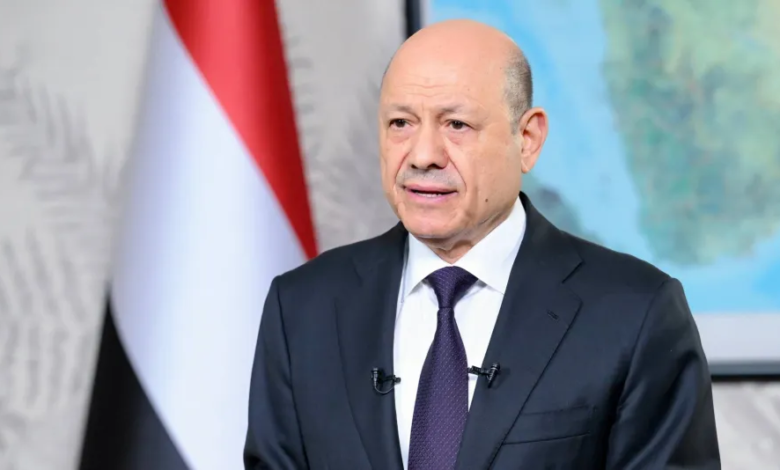
في خطوة سياسية هامة تعكس التحولات العميقة في المشهد اليمني، اعترف رئيس مجلس القيادة الرئاسي، الدكتور رشاد العليمي، بوجود اختلالات جوهرية رافقت مسار الوحدة اليمنية منذ إعلانها. وأكد العليمي في تصريحاته على ضرورة معالجة هذه الأخطاء التاريخية، مشدداً على الالتزام الكامل بإنصاف أبناء المحافظات الجنوبية، والعمل على تلبية مطالبهم المشروعة ضمن إطار تسوية سياسية شاملة وعادلة ترضي جميع الأطراف وتؤسس لمرحلة جديدة من الاستقرار.
السياق العام والخلفية التاريخية للوحدة اليمنية
تعود جذور هذه القضية إلى الثاني والعشرين من مايو عام 1990، عندما تم إعلان الوحدة السلمية بين الشطرين الشمالي والجنوبي لليمن. ورغم الآمال الكبيرة التي رافقت ذلك الحدث التاريخي، إلا أن الخلافات السياسية سرعان ما طفت على السطح، مما أدى إلى اندلاع حرب صيف عام 1994. أسفرت تلك الحرب عن نتائج كارثية تركت جروحاً غائرة في النسيج الاجتماعي والسياسي، حيث شعر أبناء الجنوب بتهميش سياسي وإقصاء اقتصادي وتسريح واسع من الوظائف العسكرية والمدنية.
هذه التراكمات أدت في عام 2007 إلى انطلاق مسيرة “الحراك الجنوبي السلمي”، الذي طالب برفع المظالم وإعادة الحقوق لأصحابها. ومع تطور الأحداث واندلاع الحرب الأخيرة إثر انقلاب المليشيات الحوثية في عام 2014، برزت القضية الجنوبية كأحد أهم الملفات التي لا يمكن تجاوزها في أي حوار سياسي، وتأسس المجلس الانتقالي الجنوبي الذي بات شريكاً أساسياً في السلطة المعترف بها دولياً ضمن تشكيلة مجلس القيادة الرئاسي.
أهمية تصريحات العليمي وتأثيرها المتوقع
على الصعيد المحلي
تحمل تصريحات الدكتور رشاد العليمي أهمية بالغة على المستوى المحلي، حيث تُعد خطوة متقدمة نحو تعزيز الثقة بين مختلف المكونات السياسية المنضوية تحت لواء مجلس القيادة الرئاسي. إن الاعتراف الصريح باختلالات الوحدة والتعهد بإنصاف الجنوب يساهم في توحيد الجبهة الداخلية المناهضة للانقلاب الحوثي، وتوجيه الجهود نحو استعادة مؤسسات الدولة وتحسين الأوضاع المعيشية والخدمية للمواطنين. كما يمثل هذا الموقف استجابة فعلية لمخرجات المشاورات اليمنية-اليمنية التي رعتها الأمانة العامة لمجلس التعاون الخليجي في الرياض.
على الصعيد الإقليمي
إقليمياً، تتناغم هذه التصريحات مع الجهود الحثيثة التي تبذلها دول التحالف العربي، وفي مقدمتها المملكة العربية السعودية ودولة الإمارات العربية المتحدة، لتوحيد الصف اليمني وإنهاء الصراعات البينية. إن استقرار المحافظات الجنوبية المحررة ومعالجة مظالمها التاريخية يعد ركيزة أساسية لضمان أمن واستقرار المنطقة برمتها، ويقطع الطريق أمام أي محاولات لزعزعة الأمن القومي العربي أو استغلال الانقسامات من قبل أطراف خارجية تسعى لتوسيع نفوذها في المنطقة.
على الصعيد الدولي
من منظور دولي، يراقب المجتمع الدولي والأمم المتحدة ومبعوثها الخاص إلى اليمن، هانس غروندبرغ، هذه التطورات باهتمام بالغ. إن حل القضية الجنوبية وإنصاف الجنوبيين يُعتبر مفتاحاً رئيسياً للوصول إلى سلام مستدام في اليمن. تصريحات العليمي تعطي إشارات إيجابية للمجتمع الدولي بأن القيادة اليمنية الحالية تمتلك الإرادة السياسية والشجاعة الكافية لمناقشة الملفات الشائكة والمعقدة، مما يعزز من فرص نجاح أي مفاوضات سلام قادمة تهدف إلى إنهاء الحرب وإرساء دعائم الاستقرار الدائم.
خلاصة
في الختام، يمثل اعتراف رئيس مجلس القيادة الرئاسي باختلالات مسار الوحدة وتأكيده على إنصاف الجنوب نقطة تحول مفصلية في الخطاب السياسي اليمني الرسمي. إن معالجة أخطاء الماضي بروح وطنية مسؤولة، والاعتراف بحقوق جميع الأطراف، هو السبيل الوحيد لبناء مستقبل آمن ومستقر لليمن، وتجاوز عقود من الصراعات والأزمات التي أثقلت كاهل الشعب اليمني بأسره.