
السياق التاريخي والالتزام بخدمة ضيوف الرحمن
تولي المملكة العربية السعودية، منذ توحيدها، اهتماماً بالغاً ومستمراً بخدمة ضيوف الرحمن، حيث يُعد موسم الحج من أكبر التجمعات البشرية السنوية على مستوى العالم. وتاريخياً، كانت سقاية الحجاج وتوفير المياه في مكة المكرمة والمشاعر المقدسة تحدياً كبيراً، بدءاً من المشاريع القديمة كعين زبيدة، وصولاً إلى أضخم محطات التحلية والشبكات الذكية في العصر الحديث. واليوم، تندرج هذه الجهود الجبارة ضمن مستهدفات رؤية السعودية 2030، التي تهدف إلى إثراء تجربة الحاج والمعتمر وتوفير بيئة صحية وآمنة. إن نجاح المملكة في إدارة هذا الحدث الاستثنائي يعكس قدرتها الفائقة محلياً وإقليمياً ودولياً على إدارة الحشود وتوفير بنية تحتية مستدامة، مما يعزز من مكانتها الرائدة والمشرفة في العالم الإسلامي.
اكتمال جاهزية المشاعر المقدسة
في إطار هذا الالتزام، أكد المتحدث الرسمي باسم وزارة البيئة والمياه والزراعة، صالح بن دخيل، خلال إيجاز صحفي في مكة المكرمة، اكتمال جاهزية منظومة البيئة والمياه والزراعة لخدمة حجاج بيت الله الحرام في موسم الحج لهذا العام. وأوضح أن المنظومة سخرت جميع إمكاناتها البشرية والتقنية عبر أكثر من 5000 كادر مؤهل، يعملون وفق خطط تشغيلية واستباقية متكاملة لضمان تقديم خدمات عالية الجودة والكفاءة.
أرقام قياسية في إمدادات المياه
لضمان توفير إمدادات مائية آمنة خلال ذروة الموسم، رفعت الهيئة السعودية للمياه قدرات الإنتاج إلى رقم قياسي تجاوز 3.8 ملايين متر مكعب يومياً، بزيادة بلغت 18% مقارنة بالعام الماضي. كما تم رفع قدرات النقل إلى 2.3 مليون متر مكعب يومياً بزيادة 32%. ولتعزيز الأمن المائي، ارتفعت السعات التخزينية لتتجاوز 8.8 ملايين متر مكعب (بزيادة 49%)، في حين زادت قدرات التوزيع بنسبة 10% لتصل إلى أكثر من 1.3 مليون متر مكعب يومياً.
تكامل تشغيلي وشبكات عملاقة
في خطوة تنظيمية رائدة، طبقت الوزارة لأول مرة كوداً تشغيلياً منظماً يمثل مرجعاً موحداً لـ 18 جهة مرتبطة بخدمات المياه. وأكملت شركة المياه الوطنية استعداداتها عبر شبكات مياه عملاقة تتجاوز أطوالها 5700 كيلومتر، مع تنفيذ أكثر من 4000 فحص مخبري يومياً لضمان جودة المياه وسلامتها، إلى جانب استكمال التخطيط التكاملي لسلاسل الإمداد المائي لأكثر من 4100 مرفق داخل المشاعر.
الرصد البيئي والأرصاد الجوية
على الصعيد المناخي، أكمل المركز الوطني للأرصاد جاهزيته بنسبة 100% عبر 92 وحدة وتقنية رصد تغطي المشاعر والمنافذ. وتوقع المركز أن تتراوح درجات الحرارة بين 44 درجة مئوية للعظمى و29 للصغرى، داعياً الحجاج للالتزام بالإرشادات الوقائية. بالتوازي، يستخدم المركز الوطني للرقابة على الالتزام البيئي أحدث التقنيات كالأقمار الصناعية وطائرات “الدرون” للتعامل الفوري مع أي تحديات بيئية.
الصحة الحيوانية وإدارة النفايات والأمن الغذائي
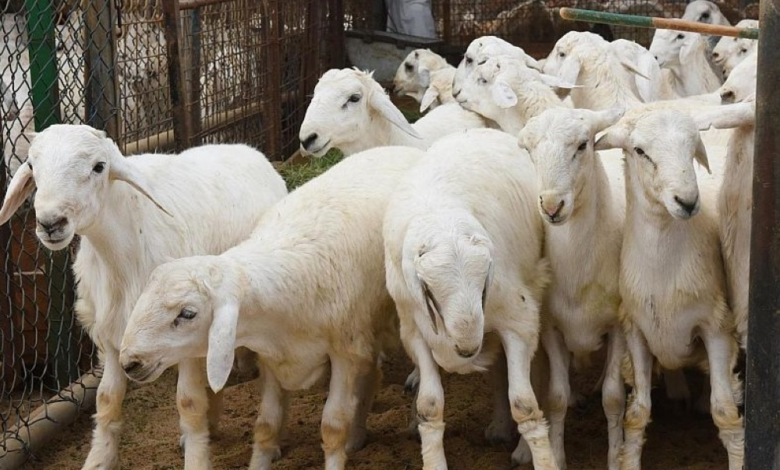
لضمان الصحة العامة، عمل مركز “وقاء” والشركة الوطنية للخدمات الزراعية على فسح أكثر من مليوني رأس من الماشية، ومعالجة 6000 طن من النفايات السائلة وفق اشتراطات الأمن الحيوي. وفي مجال الاستدامة، اعتمد مركز “موان” خططاً لنقل 10 آلاف طن من النفايات وإعادة تدوير 25 ألف متر مكعب منها. كما تضمن الهيئة العامة للأمن الغذائي استقرار الإمدادات التموينية عبر مخزونات استراتيجية واحتياطية لمنطقتي مكة المكرمة والمدينة المنورة.
واختتم المتحدث الرسمي تصريحه بالدعاء بأن يتقبل الله من الحجاج مناسكهم، وأن يديم على المملكة شرف ومسؤولية خدمة الحرمين الشريفين وقاصديهما، مؤكداً أن هذه الجهود هي امتداد لرسالة القيادة الحكيمة في رعاية ضيوف الرحمن.