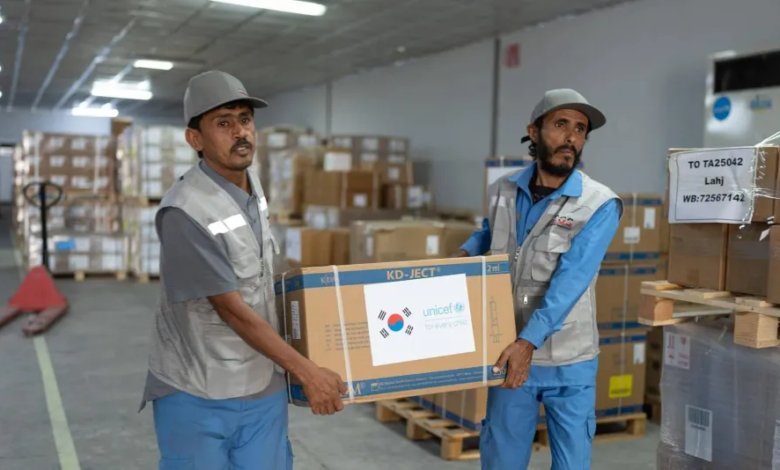

تواجه العمليات الإنسانية في اليمن، وتحديداً في المناطق الخاضعة لسيطرة الحوثيين، منعطفاً حرجاً يستدعي البحث عن آليات إغاثية جديدة وفعالة لمواجهة ما بات يُعرف بـ “الفراغ الأممي”. يأتي هذا التحدي في ظل تقليص العديد من المنظمات الدولية، وعلى رأسها برنامج الأغذية العالمي، لمساعداتها الغذائية والنقدية نتيجة نقص التمويل الحاد والعراقيل اللوجستية والإدارية المفروضة على الأرض، مما يهدد حياة ملايين المستفيدين الذين يعتمدون بشكل كلي على هذه المعونات.
سياق الأزمة وخلفيات تقليص المساعدات
يعيش اليمن منذ اندلاع النزاع في عام 2014 واحدة من أسوأ الأزمات الإنسانية في العالم وفق تصنيف الأمم المتحدة. وعلى مدار السنوات الماضية، شكلت المساعدات الدولية شريان الحياة الرئيسي لأكثر من ثلثي السكان. ومع ذلك، شهدت الفترة الأخيرة توتراً متصاعداً بين المانحين وسلطات الأمر الواقع في صنعاء، بسبب التدخلات في آلية اختيار المستفيدين والقيود المفروضة على حركة العاملين في المجال الإغاثي. أدى هذا الوضع، بالتزامن مع الأزمات العالمية التي استنزفت موارد المانحين، إلى خلق فجوة هائلة بين الاحتياجات المتزايدة والموارد المتاحة، مما أوجد فراغاً أممياً ملموساً في قطاعات الغذاء والصحة.
أهمية إيجاد آليات بديلة ومستدامة
تكمن أهمية البحث عن آليات إغاثية بديلة في ضرورة تلافي الكارثة الإنسانية المحتملة المترتبة على توقف الدعم الأممي. وتشير التقارير الاقتصادية والاجتماعية إلى أن الاعتماد المستمر على الإغاثة الطارئة دون حلول تنموية لم يعد مجدياً. لذا، تتجه الأنظار حالياً نحو تفعيل دور القطاع الخاص المحلي، وتعزيز شبكات التكافل الاجتماعي، والاعتماد على التحويلات النقدية المباشرة التي تتسم بالشفافية وتخضع لرقابة صارمة لضمان وصولها للمستحقين. كما يتم الحديث عن ضرورة تحويل جزء من التمويل نحو مشاريع سبل العيش التي تمكن الأسر من الاكتفاء الذاتي بدلاً من انتظار السلال الغذائية.
التأثيرات المتوقعة محلياً وإقليمياً
إن استمرار الفراغ الأممي دون معالجة سريعة سيؤدي بلا شك إلى تفاقم معدلات سوء التغذية، خاصة بين الأطفال والنساء، وانهيار ما تبقى من منظومة الأمن الغذائي. على الصعيد الإقليمي، قد يؤدي هذا التدهور الاقتصادي والمعيشي إلى موجات نزوح جديدة، سواء داخل اليمن أو باتجاه دول الجوار، مما يزيد من تعقيد المشهد السياسي والأمني في المنطقة. وبالتالي، فإن ابتكار آليات إغاثية مرنة وشفافة لا يعد مجرد حاجة إنسانية، بل ضرورة استراتيجية للحفاظ على الحد الأدنى من الاستقرار الاجتماعي في مناطق النزاع.