Religious Affairs Plan for Ramadan 1447: Smart Initiatives to Serve the Two Holy Mosques

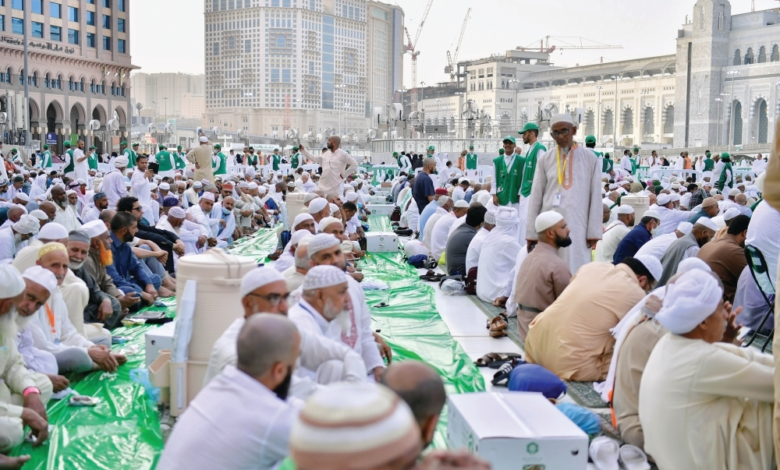
In a move reflecting early and systematic preparation for the most important Islamic seasons, the General Presidency for Religious Affairs at the Grand Mosque and the Prophet's Mosque launched its operational plan for the holy month of Ramadan 1447 AH. This plan is the culmination of the Kingdom of Saudi Arabia's ongoing efforts to serve the Two Holy Mosques and embodies its noble mission to enrich the spiritual experience of pilgrims from all corners of the earth, according to a methodology based on moderation and the harnessing of technology to serve the faith.
A strategic vision for maximizing the impact of faith
The President of Religious Affairs, Sheikh Dr. Abdulrahman bin Abdulaziz Al-Sudais, affirmed that the new plan was not conceived on the spur of the moment, but rather meticulously prepared to anticipate the needs of the holy month and to respect the sanctity of the time and place. The plan primarily aims to meet the religious, guidance, and educational requirements of the pilgrims, while also taking into account the significant cultural and linguistic diversity present in the Two Holy Mosques during this season.
This plan is of particular importance in light of the Kingdom’s general direction towards improving the experience of visitors and pilgrims within the objectives of the Kingdom’s Vision 2030, as the Ramadan season is the peak of the spiritual seasons that requires concerted efforts to ensure the smooth flow of religious services and to provide an atmosphere of tranquility and reverence.
Seven goals and ten operational paths
The operational plan for Ramadan 1447 AH is based on seven ambitious strategic goals, the foremost of which are:
- To improve and enrich the experience of visitors, both spiritually and scientifically.
- Spreading and teaching the Holy Quran and the purified Sunnah of the Prophet.
- To consolidate the Kingdom’s leading position in serving the Two Holy Mosques globally.
- Leading the way in translation and language services to break down the language barrier for visitors.
- Developing the human competencies of those working in the religious field.
- Digital transformation and harnessing artificial intelligence to spread guidance.
To achieve these goals, the Presidency identified ten precise operational paths that include scientific, advocacy, field and media aspects, in addition to specialized paths in women’s affairs, volunteer work and governance, which ensures the integration of services provided.
A qualitative leap in religious media and digital transformation
For his part, the supervisor of media and communication, Dr. Salem bin Ali Arijah, explained that the plan represents a qualitative leap in the concept of religious media, as the Presidency seeks to transform programs and initiatives into inspiring human stories that highlight the efforts made in a contemporary language. The media strategy aims to convey the message of the Two Holy Mosques to the world with credibility and high professionalism.
In keeping with the times, the plan includes pioneering technology projects such as the “Hidayah Hackathon”, the launch of new digital platforms and smart applications, with a major expansion of instant translation services to include more than 40 global languages, which enhances the accessibility of the tolerant message of Islam to all Muslims, regardless of their languages.
Quality initiatives and qualified personnel
The plan boasts 100 high-quality operational initiatives, most notably the "Guidance Center" and the "Respect Exhibition," both designed to enhance religious awareness and enrich knowledge. This integrated system is implemented by a team of over 850 employees, including a select group of imams, preachers, and teachers, supported by precise performance indicators to ensure the quality of outcomes and maximize the spiritual impact on participants.