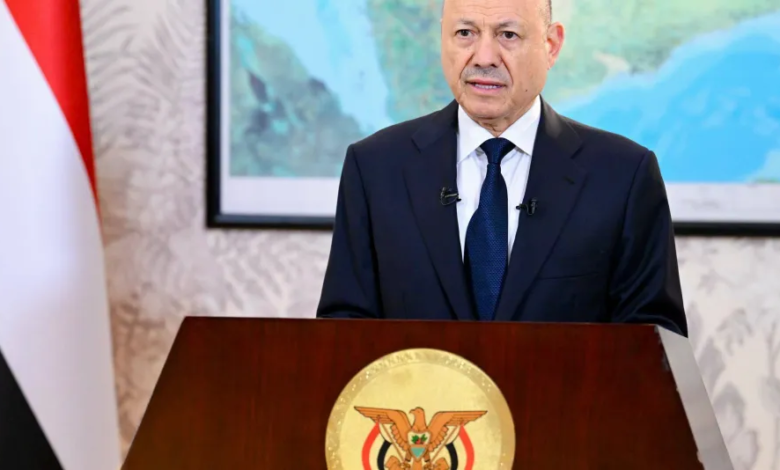
Riyadh Conference: Charting the Future of Southern Yemen and the Political Solution

Attention is once again turning to the Saudi capital, Riyadh, which has become the most prominent political and diplomatic hub for the Yemeni issue. Recent moves to chart a course for southern Yemen are seen as a crucial step in the search for a comprehensive solution to the years-long crisis. This political activity is not occurring in a vacuum; rather, it is a continuation of intensive diplomatic efforts aimed at unifying the ranks within the anti-Houthi camp and addressing the political divisions that have emerged in the liberated provinces.
General context and historical background
To understand the significance of these discussions in Riyadh, one must return to the roots of the “Southern Issue,” which has remained a powerful presence in the Yemeni political landscape since 1994, escalating with the launch of the Southern Movement in 2007. The Riyadh Agreement, signed in November 2019, marked a pivotal turning point, establishing a framework for political and military partnership between the Yemeni government and the Southern Transitional Council. These current consultations are part of the requirements of the transitional phase that followed the formation of the Presidential Leadership Council in April 2022, which includes representatives from various active forces, including southern forces, with the aim of integrating institutions and unifying political and military decision-making.
Strategic importance and unifying the home front
Charting the course of events in southern Yemen at this juncture is of paramount importance domestically. The south, with its interim capital Aden, represents the lifeline of the Yemeni government. Therefore, political stability in the south directly impacts economic performance and public services, something eagerly awaited by Yemeni citizens who have suffered from currency devaluation and deteriorating services. The Riyadh Agreement signifies the strengthening of security in the southern governorates and paves the way for the efficient resumption of state institutions' operations, thus thwarting any attempts to destabilize internal security.
Regional and international impact
Regionally and internationally, unifying the southern ranks is seen as a cornerstone for the success of the UN-led peace efforts and those of the US envoy. International powers, particularly Saudi Arabia and the UAE, recognize that a unified and cohesive southern front is the only guarantee for compelling other parties to engage seriously in negotiations. Furthermore, securing the south and its waterways, specifically the Bab al-Mandab Strait and the Gulf of Aden, is a paramount international interest for ensuring the safety of maritime navigation and global energy supplies. Therefore, the outcomes of these developments in Riyadh will not only shape the future of the south but will also determine the contours of a final political settlement and the shape of the future Yemeni state.