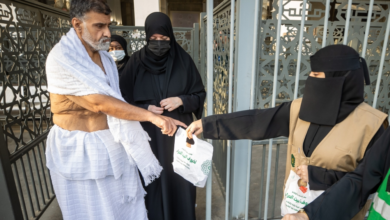

In a move reflecting the rapid development of the healthcare sector in Saudi Arabia, the Third Riyadh Health Cluster a remarkable milestone in improving the quality of medical services, successfully delivering a comprehensive healthcare model that reaches beneficiaries in their homes. These efforts culminated in the execution of over 40,000 field visits during 2025, representing a qualitative leap in traditional treatment methods and enhancing the efficiency of the healthcare system.
A strategic shift in healthcare delivery
This achievement is part of the broader Health Sector Transformation Program, one of the programs under the Kingdom's Vision 2030, which aims to restructure healthcare services to be more comprehensive and accessible. Home healthcare a key pillar of this transformation, aiming to alleviate pressure on hospitals and medical centers, reduce waiting times, and ensure patients receive safe care in their home environment, positively impacting their mental and physical well-being.
Record numbers and comprehensive services
The home healthcare pathway in the cluster recorded an unprecedented 40,810 visits , a figure that reflects the scale of the massive operational and logistical efforts undertaken. These visits were not limited to routine checkups, but included a comprehensive package of services that included:
- Delivering medicines and essential medical supplies to patients' homes.
- Scheduled nursing visits to monitor vital signs.
- Specialized sessions in physiotherapy and motor rehabilitation.
- Psychological and social support to ensure the patient's condition stabilizes.
- Close monitoring by nutritionists to ensure a healthy lifestyle.
Social and economic impact
This expansion of home healthcare services has a significant positive impact that extends beyond the medical aspect; it saves patients and their families the effort and inconvenience of travel, especially the elderly and those with chronic illnesses. It also reinforces the concept of "hospital at home," reducing the risk of healthcare-associated infections and freeing up hospital beds for critical and emergency cases, which ultimately benefits the economic efficiency of the healthcare sector.
A future vision and integrated performance
Commenting on this achievement, Dr. Osama Al-Dayel, head of the home healthcare program, emphasized that these figures are the result of collaboration among the various medical teams. He noted that the goal is not simply to increase the number of visits, but to improve the quality of services provided to ensure the safety and effectiveness of treatment. These strategic initiatives continue to strive to enhance patient satisfaction and empower patients to manage their health conditions with dignity and comfort, in line with the objectives of the Quality of Life Program.