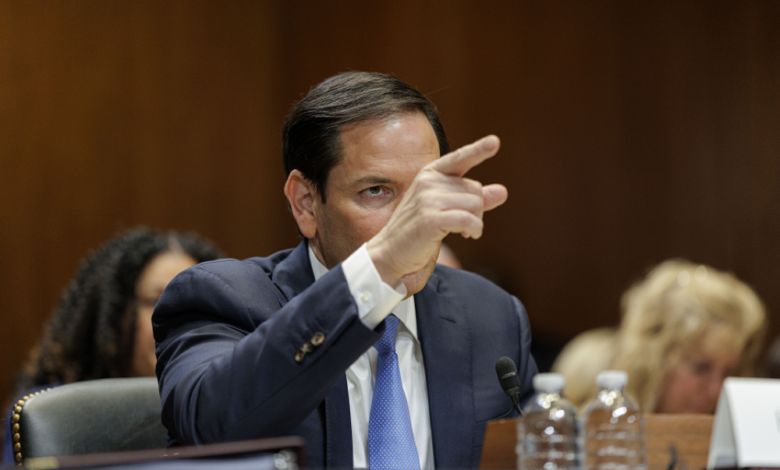

في خضم الجدل السياسي المحتدم الذي يسبق الانتخابات الرئاسية الأمريكية، برز دفاع السيناتور الجمهوري ماركو روبيو القوي عن الرئيس دونالد ترامب، رافضًا بشكل قاطع التكهنات التي تشير إلى معاناة الرئيس من أي اضطراب إدراكي. جاءت تصريحات روبيو خلال جلسة استماع برلمانية، لتضيف بعدًا جديدًا للنقاش الدائر حول اللياقة الذهنية والبدنية للمرشحين الرئيسيين في سباق محموم نحو البيت الأبيض.
دفاع قوي في الكونغرس: روبيو يرفض التشكيك في قدرات ترامب
أمام لجنة الشؤون الخارجية بمجلس النواب، واجه روبيو استجوابًا من النائب الديمقراطي تيد لو، الذي عرض مقاطع فيديو بدا فيها الرئيس ترامب وكأنه يغفو خلال بعض الاجتماعات. رد روبيو بحزم، مؤكدًا أن هذه اللقطات مضللة ولا تعكس حقيقة الأمر. وقال: “دعوني أقول ببساطة: قد لا يعجبكم نهجه السياسي، وقد لا تعجبكم القرارات التي اتخذها، لكنني أؤكد لكم أنه ليس رئيسًا نائمًا ولا يعاني أي اضطراب إدراكي، أيًّا كان شكله”. وأضاف روبيو أن الرئيس ترامب يعمل بوتيرة “غير إنسانية”، مشيرًا إلى أنه “لا ينام حرفيًا، بل يعمل ليلًا ونهارًا ولساعات طويلة كل يوم”. واعتبر أن محاولة تصويره على أنه غير لائق ذهنيًا هي مجرد تكتيك سياسي يهدف إلى تقويض حملته الانتخابية.
سياق سياسي محتدم وجدل حول اللياقة الذهنية
تأتي شهادة روبيو في وقت أصبحت فيه مسألة العمر والقدرة الإدراكية محورًا رئيسيًا في الحملات الانتخابية. فمع بلوغ الرئيس ترامب سن الثمانين، والجدل المماثل الذي يحيط بمنافسه الديمقراطي جو بايدن، يستغل كلا الحزبين أي هفوة أو زلة لسان للتشكيك في كفاءة المرشح الآخر لقيادة البلاد. هذا الجدل ليس جديدًا على السياسة الأمريكية، لكنه اكتسب زخمًا غير مسبوق في السنوات الأخيرة، حيث أصبحت مقاطع الفيديو القصيرة والأخبار السريعة على وسائل التواصل الاجتماعي أداة فعالة في تشكيل الرأي العام. ويجد الناخبون أنفسهم أمام تقييم لا يقتصر على البرامج السياسية فحسب، بل يمتد ليشمل القدرة على التحمل الذهني والجسدي اللازمين لتولي أعباء منصب رئيس الولايات المتحدة.
تأثير الجدل حول “الاضطراب الإدراكي” على السباق الرئاسي
إن إثارة الشكوك حول وجود اضطراب إدراكي لدى أي من المرشحين تحمل في طياتها تداعيات كبيرة على مسار الانتخابات. فعلى الصعيد المحلي، يمكن لهذه الادعاءات أن تؤثر على الناخبين المترددين الذين قد يرون في اللياقة الذهنية عاملًا حاسمًا في اختيارهم. كما أنها تهدف إلى حشد القواعد الانتخابية لكل حزب عبر تصوير المرشح المنافس على أنه ضعيف وغير قادر على إدارة شؤون الدولة. وعلى المستوى الدولي، يراقب حلفاء وخصوم الولايات المتحدة هذا السجال بقلق، حيث إن استقرار القيادة الأمريكية وقدرتها على اتخاذ قرارات حاسمة ينعكس بشكل مباشر على العلاقات الدولية والأمن العالمي. وبالتالي، فإن أي تصور بوجود ضعف في قمة هرم السلطة الأمريكية قد يشجع الخصوم على اختبار نفوذ واشنطن، ويثير قلق الحلفاء بشأن موثوقية الالتزامات الأمريكية.