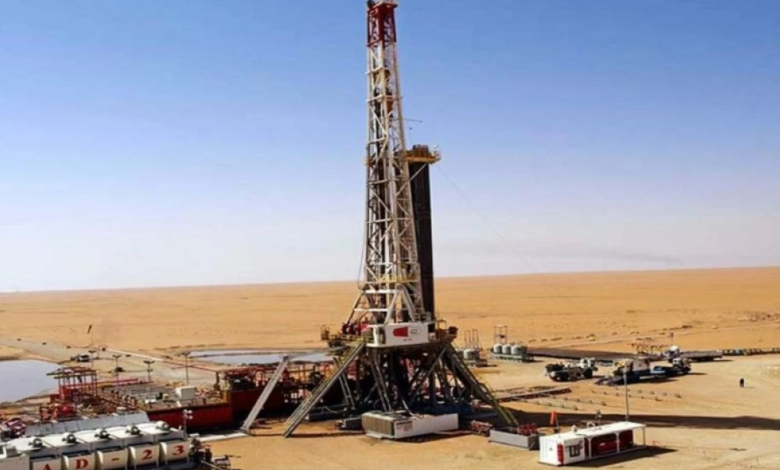
Russia’s energy sector underwent a significant shift in 2025, with oil drilling activity experiencing its first decline in three years, casting doubt on Moscow’s ability to maintain current production levels in the long term. This slowdown comes amid a storm of economic and geopolitical challenges that are beginning to negatively impact the operations of the country’s major oil companies.
Alarming figures and detailed data
According to recent data published by Bloomberg, Russian oil companies drilled approximately 29,140 kilometers of production wells last year, representing a 3.4% decrease compared to the levels recorded in 2024. Although the first months of 2025 witnessed a record drilling pace, the sector hit a wall of obstacles starting in June, with the situation worsening dramatically in December, which alone recorded a 16% year-on-year decline.
The economic context and the impact of sanctions
This decline cannot be separated from the broader context of the Russian economy under the weight of ongoing Western sanctions. Since the outbreak of the Ukrainian crisis, the Russian oil sector has faced technical and logistical challenges, most notably the ban on importing advanced drilling equipment and Western oilfield services. Although Russian companies have previously succeeded in circumventing some of these sanctions, the accumulation of pressure, coupled with periods of strong ruble and declining global oil prices, has eroded export profit margins.
Liquidity preservation strategy
Economic analysts believe this contraction in drilling operations reflects a strategic shift in the priorities of Russian companies. Instead of focusing on capital expansion and investing heavily in drilling new wells to boost future production, companies have adopted austerity policies aimed at preserving cash flow and streamlining capital spending. This behavior is a natural response to the unstable business environment and the uncertain outlook in global energy markets.
Future implications for the energy market
The danger of this indicator lies in the fact that drilling activity is considered a "predictor" of future production levels. Wells not being drilled today mean oil missing from the market tomorrow. Given that Russian fields, especially in Western Siberia, are considered mature fields requiring continuous drilling to compensate for the natural decline in pressure and production, this continued slowdown could erode Russia's production capacity, potentially causing a shock to global supply and driving prices higher in the future, especially with ongoing coordination with the OPEC+ alliance.