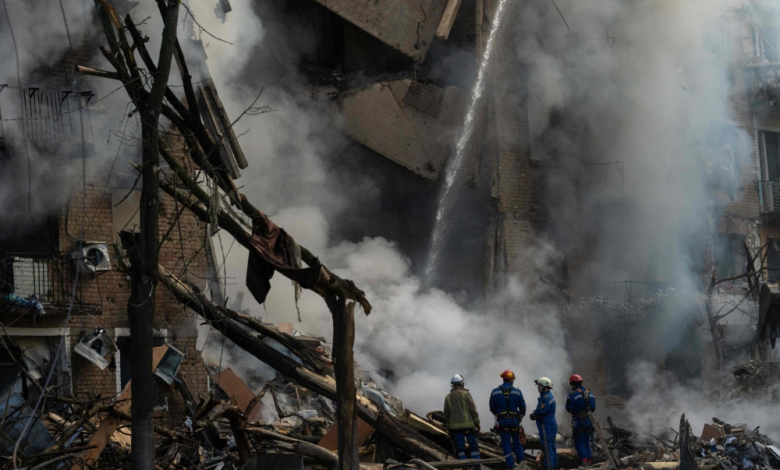

تشهد الحرب الروسية الأوكرانية تصعيداً عسكرياً غير مسبوق في الآونة الأخيرة، حيث اتخذ الصراع الذي يُعد الأعنف في القارة الأوروبية منذ الحرب العالمية الثانية، مُنحنى جديداً يعتمد على الهجمات المتبادلة في العمق الاستراتيجي والمناطق الحدودية. وفي أحدث التطورات الميدانية، قُتل شخصان إثر ضربات أوكرانية استهدفت منطقتي بيلغورود وبريانسك الحدوديتين داخل الأراضي الروسية، وذلك بحسب البيانات الرسمية الصادرة عن السلطات المحلية الروسية.
تفاصيل الهجمات الأوكرانية على الحدود الروسية
أوضحت السلطات في منطقة بيلغورود الروسية، من خلال بيان رسمي، أن طائرة مسيّرة أوكرانية شنت هجوماً مباشراً استهدف سيارة مدنية في بلدة غرايفورون، مما أسفر عن سقوط ضحية من المدنيين. وفي سياق متصل، شهدت منطقة بريانسك حادثة مشابهة، حيث لقي رجل مصرعه نتيجة ضربة أوكرانية استهدفت بلدة بيلايا بيريوكا. وقد أكد هذه الأنباء الحاكم بالوكالة للمنطقة، يغور كوفالتشوك، عبر حسابه الرسمي على تطبيق “تلغرام”. وتأتي هذه الهجمات في إطار استراتيجية كييف لنقل المعركة إلى الداخل الروسي، واستهداف خطوط الإمداد والمناطق اللوجستية التي تدعم القوات الروسية وتعتبر نقاط انطلاق للعمليات العسكرية.
قصف روسي مكثف وصواريخ باليستية متطورة
على الجانب الآخر، لم تتأخر موسكو في الرد، حيث شنت القوات الروسية قصفاً صاروخياً مكثفاً استهدف الأراضي الأوكرانية، مع التركيز بشكل خاص على العاصمة كييف خلال ليل السبت والأحد. ووفقاً للتقارير الصادرة عن السلطات الأوكرانية، أسفر هذا الهجوم العنيف عن مقتل أربعة أشخاص على الأقل، وإصابة أكثر من مائة آخرين بجروح متفاوتة الخطورة. وما يثير القلق الدولي في هذا التصعيد هو كشف كييف عن استخدام موسكو لصواريخ “أوريشنيك” الباليستية المتطورة، وهي صواريخ استراتيجية قادرة على حمل رؤوس نووية، مما يمثل رسالة ردع قوية وتلويحاً بتوسيع نطاق التدمير في حال استمرار استهداف الأراضي الروسية.
السياق الميداني وتداعيات الهجمات المتبادلة
جاءت هذه الضربات الروسية العنيفة كرد فعل مباشر على هجمات سابقة شنتها طائرات مسيّرة أوكرانية استهدفت مراكز ثقافية وتجمعات في منطقة لوغانسك الواقعة في شرق أوكرانيا، والتي تخضع حالياً للسيطرة الروسية. وقد أسفرت تلك الهجمات في لوغانسك عن حصيلة دموية ثقيلة بلغت 21 قتيلاً وإصابة أكثر من أربعين شخصاً. يعكس هذا التسلسل في الأحداث تحول الحرب إلى حرب استنزاف قاسية تعتمد على الطائرات المسيرة والصواريخ بعيدة المدى، حيث يدفع المدنيون والبنية التحتية الثمن الأكبر في كلا البلدين.
الأبعاد الجيوسياسية وتعثر جهود السلام
منذ اندلاع شرارة الحرب الروسية الأوكرانية في أواخر فبراير 2022، تغيرت الخريطة الجيوسياسية العالمية بشكل جذري. فقد أثر هذا النزاع بشكل مباشر على الأمن القومي الأوروبي، ودفع دول حلف الناتو إلى تعزيز دفاعاتها، فضلاً عن التسبب في أزمات اقتصادية متلاحقة طالت أسواق الطاقة والغذاء العالمية. وعلى الصعيد الدبلوماسي، تعثرت كافة المحادثات والجهود الرامية لإنهاء هذا النزاع، بما في ذلك الوساطة الأمريكية. وقد تفاقم هذا الجمود الدبلوماسي بشكل ملحوظ منذ اندلاع الحرب في الشرق الأوسط، حيث تحولت أنظار المجتمع الدولي وأولوياته نحو الأزمات المتلاحقة هناك، مما ترك الأزمة الأوكرانية في حالة من التصعيد المستمر دون أفق واضح للحل السلمي في المستقبل القريب.