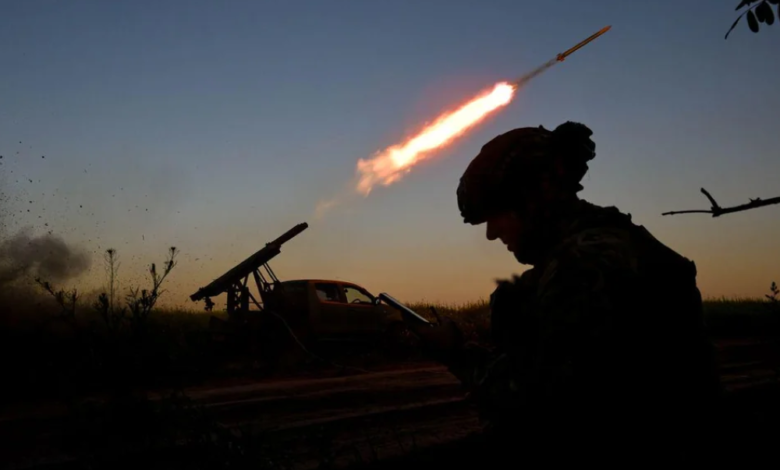

في تطور دراماتيكي يعكس تصاعد حدة الصراع الدائر في شرق أوروبا، طالبت روسيا الرعايا الأجانب والدبلوماسيين المتواجدين في العاصمة الأوكرانية كييف بسرعة مغادرتها فوراً. وتأتي هذه الدعوة التحذيرية بالتزامن مع إعلان موسكو الصريح عن عزمها شن موجة جديدة من الضربات الصاروخية المكثفة التي ستستهدف بشكل مباشر مراكز صنع القرار ومقرات القيادة في أوكرانيا، مما ينذر بمرحلة جديدة وأكثر عنفاً من المواجهات.
تصعيد عسكري واستخدام صواريخ باليستية متطورة
أصدرت وزارة الخارجية الروسية بياناً شديد اللهجة أكدت فيه أن الضربات القادمة لن تستثني مراكز القيادة، مشددة على ضرورة ابتعاد سكان العاصمة عن البنى التحتية العسكرية والإدارية. هذا الإعلان التحذيري لم يأتِ من فراغ، بل جاء في أعقاب عطلة نهاية أسبوع دامية شهدت ضربات روسية مكثفة على أوكرانيا، وتحديداً كييف، مما أسفر عن مقتل 4 أشخاص على الأقل وإصابة نحو 100 آخرين. وما يزيد من خطورة الموقف هو استخدام القوات الروسية لصاروخ “أوريشنيك” الباليستي، وهو سلاح استراتيجي متطور قادر على حمل رؤوس نووية، مما يبعث برسالة ردع قوية للغرب وحلفاء أوكرانيا.
ردود الفعل الدولية: إجلاء أمريكي وتجاهل فرنسي
على الصعيد الدبلوماسي، أجرى وزير الخارجية الروسي سيرجي لافروف محادثات هاتفية مع نظيره الأمريكي ماركو روبيو، حث فيها الولايات المتحدة على ضرورة إجلاء طاقمها الدبلوماسي من سفارتها في كييف. وأعادت موسكو التذكير بتوصياتها السابقة الصادرة في 25 مايو، والتي دعت فيها واشنطن والدول الأخرى لضمان سلامة موظفيها عبر سحبهم من العاصمة الأوكرانية.
في المقابل، اتخذت دول أوروبية أخرى موقفاً مغايراً؛ حيث تجاهلت فرنسا التحذيرات الروسية بشكل قاطع. وصرحت وزارة الخارجية الفرنسية رداً على استفسارات الصحفيين بأن باريس “معتادة على تهديدات الرئيس الروسي فلاديمير بوتين”، مؤكدة أنه من غير الوارد إجلاء دبلوماسييها في الوقت الراهن. من جانبه، دعا وزير الخارجية الأوكراني أندريه سيبيها حلفاء بلاده إلى عدم الاستسلام لما وصفه بـ “الابتزاز الروسي”، مطالباً بزيادة الدعم العسكري وتسريع وتيرة تسليح الجيش الأوكراني.
هجوم ستاروبيلسك: النقطة التي أفاضت الكأس
تُرجع موسكو هذا التصعيد الأخير إلى هجوم أوكراني بطائرات مسيرة استهدف مدينة ستاروبيلسك في منطقة لوغانسك (التي تسيطر عليها روسيا في شرق أوكرانيا) ليل الخميس الجمعة. ووفقاً للرواية الروسية، استهدفت الضربة كلية مهنية وسكناً طلابياً يضم مراهقين، مما أدى إلى مقتل 21 شخصاً وإصابة أكثر من 40 آخرين. ووصفت الخارجية الروسية هذا الهجوم بأنه “دامٍ ومتعمد”، معتبرة إياه “النقطة التي أفاضت الكأس” ومبرراً كافياً لتوسيع بنك أهدافها في كييف.
على الجانب الآخر، قدمت كييف رواية مختلفة تماماً؛ حيث أعلنت هيئة الأركان العامة للجيش الأوكراني أن قواتها استهدفت بنجاح عدة مواقع عسكرية روسية في تلك الليلة، من بينها مقر قيادة وحدة عسكرية في ستاروبيلسك، نافية استهداف المدنيين. وفي خضم هذه الحرب الإعلامية، نشرت الصحافة الروسية شهادات لناجين وأقارب للضحايا لتأكيد روايتها.
سياق تاريخي وتداعيات إقليمية
لا تعد هذه المرة الأولى التي تلجأ فيها موسكو إلى لغة التهديد باستهداف المقرات الدبلوماسية أو مراكز القرار. ففي سياق تاريخي قريب، سبق وأن دعت روسيا الدبلوماسيين الأجانب لمغادرة كييف قبيل العرض العسكري في الساحة الحمراء بموسكو في التاسع من مايو، متوعدة برد قاسٍ إذا حاولت أوكرانيا عرقلة احتفالات “يوم النصر” على ألمانيا النازية في الحرب العالمية الثانية.
إن هذا التصعيد المستمر يضع المنطقة بأسرها على صفيح ساخن، وينذر بتوسيع رقعة الصراع. فاستهداف مراكز صنع القرار في كييف قد يؤدي إلى شلل في الإدارة المدنية والعسكرية الأوكرانية، بينما يرفع من احتمالات وقوع أخطاء كارثية قد تمس البعثات الدبلوماسية الأجنبية، مما قد يجر أطرافاً دولية أخرى إلى انخراط أعمق في هذه الحرب التي تعيد تشكيل النظام العالمي بأسره.