The Russian army has taken control of the village of Bratsky in Dnipropetrovsk

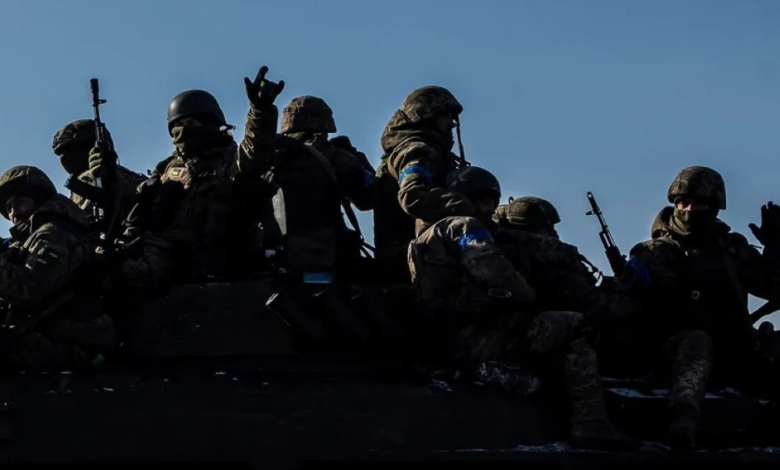
The Russian Defense Ministry announced on Thursday a new advance deep into Ukrainian territory, confirming that its forces had taken full control of the village of Bratsky in the southern Dnipropetrovsk region. This announcement reinforces the series of gains made by the Russian military since last summer, as Russian forces continue their offensive operations on multiple fronts, braving harsh weather conditions with temperatures dropping to freezing.
The strategic importance of Russian progress
The advance into the Dnipropetrovsk region represents a significant shift in the course of military operations. This region is a vital industrial center located west of Donetsk. Although Dnipropetrovsk is not among the four regions (Luhansk, Donetsk, Zaporizhzhia, and Kherson) that Moscow has officially annexed, the continued progress there indicates the Russian forces' intention to expand their territorial control, secure the borders of the areas they control, and put pressure on Ukrainian supply lines heading towards the eastern front.
The energy crisis and the worsening humanitarian situation
Alongside the ground battles, Ukraine is suffering a severe energy crisis as a result of the intense airstrikes. Authorities in Kyiv have confirmed that recent nighttime attacks on infrastructure in Dnipropetrovsk have left more than a million households without electricity and heating. This situation is exacerbating the suffering of civilians, especially with the onset of winter and the approaching fourth anniversary of the war, posing immense challenges for local authorities in providing basic services.
Evacuation operations and historical background
Amid this escalation, Ukrainian authorities last week were forced to order the evacuation of thousands of children and their families from areas near the front lines in Zaporizhzhia and Dnipropetrovsk, fearing they would be directly targeted by shelling. These developments come at a time when the Ukrainian army faces significant challenges related to manpower and equipment shortages compared to Russia's growing capabilities.
It is worth noting that the Russian military operation in Ukraine began in February 2022, and since then the map of control has undergone continuous changes. While Moscow seeks to impose a new reality on the ground in line with its stated goals of seizing control of eastern Ukraine, diplomatic efforts remain stalled, with no breakthrough in sight to end the conflict.