
مقدمة: بهجة العيد في ظل الصراع
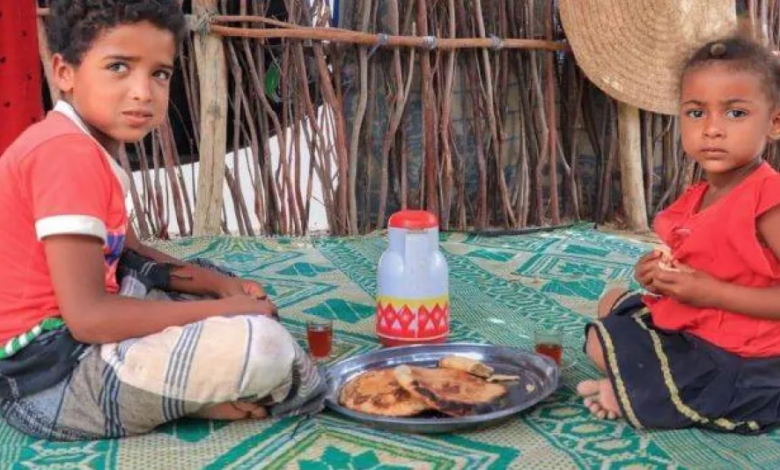
يستقبل أطفال صنعاء حلول العيد بمشاعر مختلطة، حيث تتصادم براءة الطفولة ورغبتها الفطرية في الفرح مع واقع مرير فرضته سنوات طويلة من الصراع. في شوارع العاصمة اليمنية العريقة، تحاول الابتسامات البريئة أن تشق طريقها وسط ركام الأزمات، لترسم لوحة من الصمود والتحدي. ورغم أن العيد يمثل في جوهره مناسبة للفرح والاحتفال، إلا أنه يأتي هذا العام محملاً بأحلام مؤجلة وأمنيات بسيطة يصعب تحقيقها في ظل الظروف الاقتصادية والإنسانية الخانقة التي تعيشها البلاد.
السياق العام والخلفية التاريخية للأزمة اليمنية
تعود جذور المعاناة الحالية إلى النزاع المسلح الذي اندلع في اليمن منذ أواخر عام 2014 وتصاعد في عام 2015، مما أدى إلى تدهور حاد في كافة مناحي الحياة. وقد وصفت الأمم المتحدة الأزمة في اليمن بأنها واحدة من أسوأ الأزمات الإنسانية في العالم. أدى هذا الصراع المستمر إلى انهيار شبه كامل للاقتصاد اليمني، وتوقف صرف رواتب مئات الآلاف من الموظفين الحكوميين لسنوات، فضلاً عن الارتفاع الجنوني في أسعار السلع الأساسية. هذه التراكمات التاريخية والاقتصادية جعلت من توفير متطلبات العيد، مثل الملابس الجديدة أو الحلويات، عبئاً ثقيلاً يثقل كاهل الأسر اليمنية، مما ينعكس بشكل مباشر على فرحة الأطفال وحقهم الطبيعي في الاحتفال.
واقع أطفال صنعاء خلال أيام العيد
في الماضي، كانت أيام العيد في صنعاء تتميز بالزيارات العائلية، وتوزيع العيدية، وازدحام الحدائق العامة مثل حديقة السبعين بالأطفال المرتدين أزهى الثياب. أما اليوم، فقد تغير المشهد كثيراً. الكثير من الأسر تكتفي بإعادة تدوير الملابس القديمة، وتلجأ إلى بدائل بسيطة لإسعاد أبنائها. ومع ذلك، يثبت أطفال صنعاء قدرتهم العجيبة على التكيف؛ فتراهم يبتكرون ألعابهم الخاصة في الحارات والأزقة، ويصنعون من أبسط الأشياء مصدراً للبهجة، في رسالة واضحة مفادها أن إرادة الحياة أقوى من أصوات المدافع والدمار.
التأثير والأهمية: محلياً، إقليمياً، ودولياً
تحمل مشاهد العيد في صنعاء دلالات عميقة وتأثيرات تمتد على عدة مستويات. على الصعيد المحلي، تعكس هذه المشاهد حجم التماسك الاجتماعي والتكافل بين اليمنيين الذين يحاولون مساندة بعضهم البعض لتجاوز المحنة، كما تسلط الضوء على الحاجة الماسة لإنهاء الانقسامات الداخلية. إقليمياً ودولياً، تمثل معاناة أطفال اليمن جرس إنذار مستمر للمجتمع الدولي والمنظمات الحقوقية والإنسانية، مثل منظمة اليونيسف، التي طالما حذرت من التداعيات الكارثية للحرب على الصحة النفسية والجسدية ومستقبل التعليم للأجيال القادمة. إن استمرار هذه الأزمة يتطلب تدخلاً دولياً جاداً للضغط نحو تسوية سياسية شاملة تضمن مستقبلاً آمناً لهؤلاء الأطفال وتوفر لهم أبسط حقوقهم الإنسانية.
خاتمة: أمل في غدٍ مشرق
في الختام، يبقى أطفال صنعاء، رغم كل الجراح والأحلام المؤجلة، رمزاً للأمل والصمود. إن ابتساماتهم التي تقاوم الحرب ليست مجرد رد فعل طفولي، بل هي دعوة صامتة للعالم أجمع بضرورة إحلال السلام في اليمن. يتطلع الجميع إلى اليوم الذي تعود فيه للعيد بهجته الحقيقية، وتتحول فيه الأحلام المؤجلة إلى واقع ملموس يعيشه كل طفل يمني في أمن واستقرار ورخاء.