
As 2026 approaches, the situation in the Yemeni capital, Sana'a, remains bleak. Residents are entering the new year facing increasingly complex living conditions that have transformed their daily lives into a constant struggle for survival. Talk of the future is no longer characterized by the usual optimism, but rather by anxieties about hunger, mounting debt, and a deadlocked political and economic landscape, all within the context of one of the worst humanitarian crises the modern world has witnessed.
The economic crisis worsened and purchasing power collapsed
Residents of Sana'a are living under unprecedented economic pressure as a result of the continued collapse of the national currency and the suspension of public sector salaries for years. This situation has forced thousands of families to rely entirely on loans from shops to secure basic necessities such as food and medicine. Economic reports indicate that the purchasing power of Yemeni citizens has almost completely eroded, making essential goods unaffordable for a large segment of society, at a time when prices are soaring in tandem with high inflation rates.
Background of the conflict and the roots of the tragedy
The current situation in 2026 cannot be separated from the historical roots of the crisis, whose bloody chapters began in late 2014. Years of protracted war have devastated infrastructure, torn apart the social fabric, and crippled the economy. With more than a decade of conflict, the crisis has transformed from an emergency into a chronic condition, with an entire generation growing up under the shadow of war, knowing only the sounds of gunfire and the scarcity of resources. This prolonged conflict, without any lasting solutions, has deepened the wounds of the population and made recovery a process that will take decades.
Social and humanitarian impacts
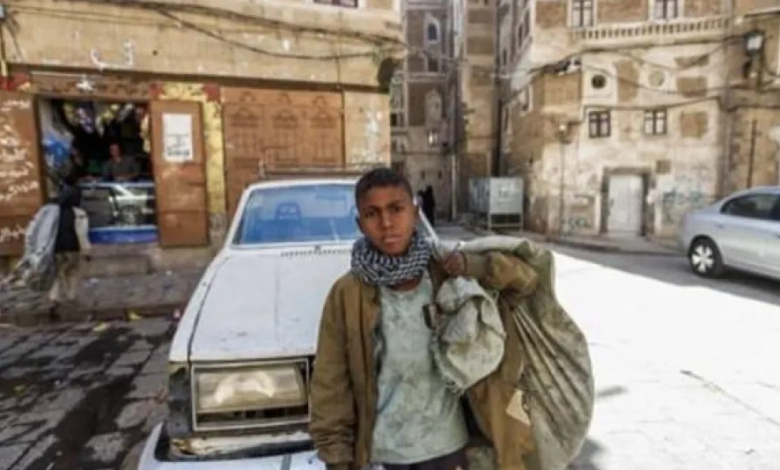
On the social level, extreme poverty has led to radical changes in the structure of Sana'a society. Many families have been forced to take their children out of school and send them to work to help provide for their families, foreshadowing an educational catastrophe and an uncertain future for generations to come. Furthermore, the deterioration of health services and food insecurity have led to an alarming spread of malnutrition, particularly among children and women, as confirmed by reports from international relief organizations.
Political deadlock and lack of solutions
What makes the situation even more bleak is the political stalemate and the complete lack of any prospect for a comprehensive settlement that would end the suffering of the Yemeni people. The state of "neither war nor peace" that has prevailed recently has not had a positive impact on the lives of ordinary citizens in Sana'a. On the contrary, taxes and economic restrictions have continued, leaving citizens feeling besieged from all sides. Entering 2026 under these tragic circumstances represents a silent cry for help from the people of Sana'a to the world, urging serious action to salvage what can still be saved before it is too late.