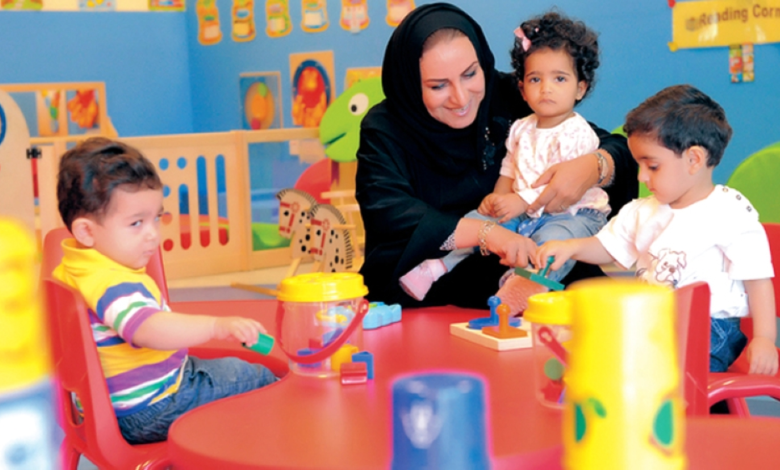

في خطوة استراتيجية تهدف إلى تعزيز بيئة العمل ودعم الكوادر الوطنية، أقر مجلس الوزراء السعودي برئاسة ولي العهد، في قراره رقم (783) وتاريخ 1445/11/06 هـ، تكليف وزارة التعليم بالتنسيق مع وزارة الموارد البشرية والتنمية الاجتماعية والجهات ذات العلاقة، بالعمل على افتتاح دور حضانة ورياض أطفال في مقرات العمل الحكومية والخاصة التي تضم أعداداً كبيرة من الموظفين والموظفات. ويأتي هذا القرار كأحد الممكنات الرئيسية لتحقيق مستهدفات رؤية المملكة 2030، خاصة فيما يتعلق بزيادة نسبة مشاركة المرأة في سوق العمل.
خلفية القرار وأبعاده الاستراتيجية ضمن رؤية 2030
يُعد هذا القرار تتويجاً لجهود مستمرة ومبادرات متعددة أطلقتها المملكة خلال السنوات الأخيرة لتمكين المرأة السعودية وتعزيز دورها كشريك أساسي في التنمية الوطنية. فمنذ إطلاق رؤية 2030، شهدت المملكة إصلاحات اجتماعية واقتصادية واسعة، كان من أبرز أهدافها رفع نسبة مشاركة المرأة في القوى العاملة من 22% إلى 30% بحلول عام 2030، وهو الهدف الذي تم تجاوزه بالفعل ليصل إلى أكثر من 35% في عام 2023. وقد أدركت القيادة أن توفير حلول عملية لرعاية الأطفال يمثل أحد أهم التحديات التي تواجه المرأة العاملة، ويشكل هذا القرار استجابة مباشرة لهذه الحاجة الملحة، مما يزيل عائقاً كبيراً ويساهم في تحقيق الاستقرار الوظيفي والأسري للمرأة.
الأثر المتوقع على الصعيدين الاقتصادي والاجتماعي
من المتوقع أن يكون للقرار تأثير إيجابي متعدد الأوجه. فعلى الصعيد الاقتصادي، سيساهم توفير حضانات في مقرات العمل في زيادة إنتاجية الموظفات من خلال تقليل القلق المرتبط برعاية أطفالهن، كما سيقلل من معدلات التسرب الوظيفي ويعزز ولاء الموظفين للشركات والمؤسسات التي يعملون بها. علاوة على ذلك، سيخلق هذا التوجه قطاعاً استثمارياً جديداً في مجال خدمات رعاية الأطفال المتخصصة، مما يولد فرص عمل إضافية. أما على الصعيد الاجتماعي، فيعزز القرار من مفهوم بيئات العمل الصديقة للأسرة، ويوفر للأطفال رعاية تربوية وتعليمية مبكرة عالية الجودة بالقرب من ذويهم، مما يدعم النمو السليم للطفل ويمنح الوالدين راحة البال.
آليات التنفيذ والتحديات المحتملة
أشار القرار بوضوح إلى ضرورة معالجة التباين في ساعات العمل بين دور الحضانة الحالية والقطاعات المختلفة، سواء كانت وزارات أو إدارات تعليم أو شركات خاصة. وهذا يعني أن وزارة التعليم، بالتعاون مع الجهات المعنية، ستعمل على وضع لوائح تنظيمية مرنة تضمن توافق ساعات عمل هذه الحضانات مع دوام أولياء الأمور، وهو ما يمثل حلاً عملياً لمشكلة طالما شكلت تحدياً للأسر العاملة. ستشمل عملية التنفيذ وضع معايير واشتراطات صارمة لترخيص هذه المرافق لضمان سلامة الأطفال وجودة البرامج التعليمية المقدمة، وهو ما يقع في صميم اختصاص وزارة التعليم.