
إدانة سعودية وعربية واسعة للخطوة
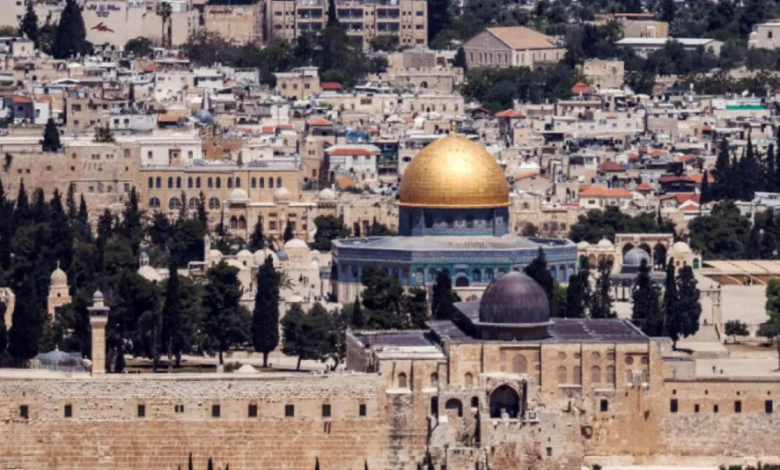
أعربت المملكة العربية السعودية، إلى جانب عدد من الدول العربية والإسلامية، عن إدانتها واستنكارها الشديدين للأنباء التي تفيد بافتتاح سفارة أو ممثلية دبلوماسية مزعومة لما يُعرف بـ«أرض الصومال» (صوماليلاند) في مدينة القدس المحتلة. وتأتي هذه الإدانات في ظل موقف عربي وإسلامي موحد يرفض أي مساس بالوضع القانوني والتاريخي لمدينة القدس، ويعتبر أي خطوة من هذا القبيل انتهاكاً صارخاً لقرارات الشرعية الدولية ومجلس الأمن التابع للأمم المتحدة. وأكدت البيانات الرسمية الصادرة عن وزارات الخارجية في هذه الدول أن هذه الخطوة تعتبر باطلة ولا يترتب عليها أي أثر قانوني، بل تساهم في تأجيج الصراع في المنطقة.
الموقف السعودي والعربي الثابت تجاه القدس
تؤكد المملكة العربية السعودية دائماً على موقفها الراسخ والداعم للقضية الفلسطينية، مشددة على أن القدس الشرقية هي عاصمة الدولة الفلسطينية المستقبلية وفقاً لمبادرة السلام العربية وحل الدولتين. وتعتبر الدول العربية والإسلامية، عبر مظلاتها الرسمية مثل جامعة الدول العربية ومنظمة التعاون الإسلامي، أن نقل السفارات أو افتتاح ممثليات دبلوماسية في القدس يمثل استفزازاً لمشاعر الملايين من المسلمين حول العالم، وعقبة رئيسية أمام تحقيق سلام عادل وشامل في منطقة الشرق الأوسط. وقد حذرت هذه الدول مراراً وتكراراً من التداعيات الخطيرة لأي قرارات أحادية الجانب تستهدف تغيير الهوية الديموغرافية أو الوضع السياسي لمدينة القدس المحتلة، مطالبة المجتمع الدولي بالتدخل الفوري لوقف هذه التجاوزات.
الخلفية التاريخية لـ«أرض الصومال» والبحث عن الاعتراف
أعلنت «أرض الصومال» استقلالها عن جمهورية الصومال الفيدرالية من جانب واحد في عام 1991، عقب انهيار الحكومة المركزية في مقديشو. وعلى الرغم من تمتعها باستقرار نسبي مقارنة بباقي مناطق الصومال، إلا أنها لم تحظَ بأي اعتراف دولي رسمي كدولة مستقلة من قبل الأمم المتحدة أو الاتحاد الأفريقي أو جامعة الدول العربية. وفي سعيها الحثيث للحصول على شرعية دولية، تحاول «أرض الصومال» في كثير من الأحيان نسج علاقات دبلوماسية غير تقليدية، وهو ما يفسر توجهاتها التي تثير حفيظة المجتمعين العربي والإسلامي وتتعارض مع الإجماع الدولي.
أهمية الحدث والتأثيرات المتوقعة
على الصعيد الإقليمي والدولي، يحمل هذا الحدث تداعيات كبيرة. فمن شأن هذه الخطوة أن تعمق العزلة الدبلوماسية لـ«أرض الصومال» في العالمين العربي والإسلامي، وتؤدي إلى تدهور علاقاتها مع الدول التي تدعم سيادة الصومال ووحدة أراضيه. كما أن إسرائيل تستغل مثل هذه الخطوات لمحاولة إضفاء شرعية على احتلالها للقدس وضمها، وهو ما ترفضه الأسرة الدولية بشكل قاطع.
من المتوقع أن تصدر قرارات وبيانات مشتركة من قبل جامعة الدول العربية ومنظمة التعاون الإسلامي لتأكيد الرفض القاطع لهذه الإجراءات الباطلة. كما سيتم دعوة المجتمع الدولي إلى تحمل مسؤولياته في الحفاظ على الوضع التاريخي والقانوني للقدس، ومنع أي كيانات غير معترف بها من اتخاذ خطوات أحادية تزيد من تعقيد المشهد السياسي في المنطقة وتعرقل جهود السلام الدولية. وفي الختام، تجدد الدول العربية والإسلامية التزامها الكامل بدعم حقوق الشعب الفلسطيني غير القابلة للتصرف، وفي مقدمتها حقه في تقرير المصير وإقامة دولته المستقلة ذات السيادة وعاصمتها القدس الشريف، معتبرة أن أي محاولات للالتفاف على هذه الحقوق ستبوء بالفشل ولن تغير من حقائق التاريخ والجغرافيا شيئاً.