
مشاركة سعودية فاعلة في اجتماع وزراء خارجية بريكس
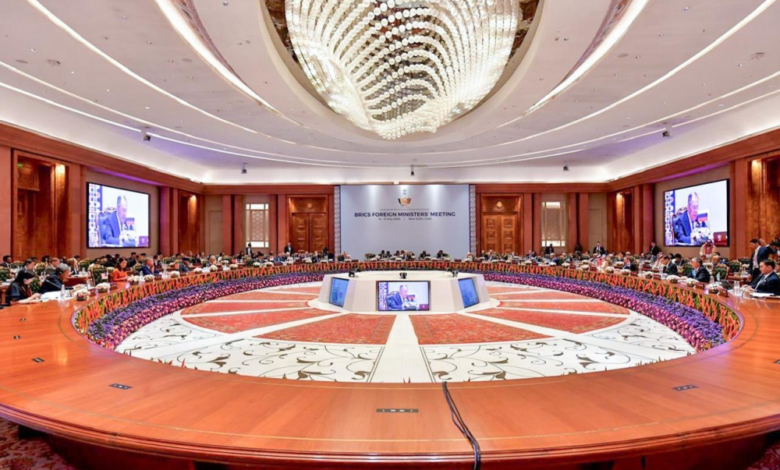
نيابةً عن صاحب السمو الأمير فيصل بن فرحان بن عبدالله، وزير الخارجية السعودي، شارك معالي نائب وزير الخارجية، المهندس وليد بن عبدالكريم الخريجي، في العاصمة الهندية نيودلهي، في اجتماع وزراء خارجية دول مجموعة بريكس. عُقد الاجتماع تحت شعار “البناء من أجل الصمود والابتكار والتعاون والاستدامة”، حيث تأتي مشاركة المملكة العربية السعودية بصفتها دولة مدعوة، مما يعكس تنامي دورها الاستراتيجي على الساحة الدولية وحرصها على تنويع شراكاتها الاقتصادية والسياسية.
أهمية التحول الرقمي والذكاء الاصطناعي في التنمية
وخلال كلمته في الاجتماع، سلط معالي نائب وزير الخارجية الضوء على التحولات التكنولوجية والاقتصادية المتسارعة التي يشهدها العالم اليوم. وأكد على ضرورة إيلاء اهتمام خاص لتمكين الدول النامية من مواكبة هذا التحول الرقمي السريع. وفي ظل الفرص المتنامية والآثار المستقبلية المرتبطة بتقنيات الذكاء الاصطناعي، شدد الخريجي على أن ضمان الوصول العادل إلى التكنولوجيا وبناء القدرات الرقمية يُعد عنصراً أساسياً لتحقيق تنمية مستدامة ومتوازنة لجميع شعوب العالم، وهو توجه ينسجم تماماً مع مستهدفات رؤية السعودية 2030 التي تضع الابتكار والاقتصاد الرقمي في صدارة أولوياتها التنموية.
استقرار الخليج العربي والبحر الأحمر: ضرورة عالمية
وفي سياق متصل، تطرق معاليه إلى الأهمية الجيوسياسية للمنطقة، مؤكداً أن الاستقرار في منطقة الخليج العربي والبحر الأحمر يتجاوز كونه شأناً إقليمياً، بل يمثل ركيزة أساسية لصمود واستقرار الاقتصاد العالمي بأسره. وتاريخياً، تُعد هذه الممرات المائية، مثل مضيق هرمز ومضيق باب المندب، شرايين حيوية للتجارة الدولية. وأوضح أن الحفاظ على هذا الاستقرار، خاصة خلال فترات الأزمات وعدم اليقين، هو مسؤولية مشتركة ومصلحة جماعية للمجتمع الدولي لضمان تدفق السلع والطاقة دون عوائق.
موقف المملكة من التوترات الإقليمية ودعوات التهدئة
وأعربت المملكة العربية السعودية عن قلقها البالغ إزاء التطورات الراهنة والهجمات الأخيرة التي طالت بعض دول الخليج والمملكة الأردنية الهاشمية. وفي هذا الصدد، جددت الرياض تشديدها على أهمية خفض التصعيد، وضبط النفس، والالتزام التام بمبادئ القانون الدولي. وحذرت المملكة من أي خطوات إضافية قد تؤدي إلى تفاقم التوترات في منطقة الشرق الأوسط، مؤكدة على أهمية استمرار الحوار الدبلوماسي بين جميع الأطراف المعنية، بما في ذلك دول مجموعة بريكس، لدعم الجهود الرامية إلى تعزيز الأمن والاستقرار الإقليمي والدولي وتجنيب المنطقة ويلات الصراعات.
تأثير أمن الممرات البحرية على أسواق الطاقة والتضخم
واختتم معالي المهندس وليد الخريجي كلمته بالتذكير بأن منطقة الشرق الأوسط لا تزال تمثل محوراً حيوياً ضمن شبكات التجارة العالمية. فمن خلال الممرات البحرية في الخليج العربي والبحر الأحمر، يمر جزء كبير من إمدادات الطاقة العالمية والبضائع التجارية التي تربط بين قارات آسيا وأوروبا وأفريقيا. وأكد أن أي اضطراب أمني في هذه المنطقة الحساسة ستكون له تداعيات فورية وواسعة النطاق، ولن تقتصر على دول المنطقة فحسب، بل ستمتد لتؤثر على أسواق الطاقة العالمية، وتساهم في ارتفاع معدلات التضخم، مما يهدد جهود التنمية المستدامة والنمو الاقتصادي العالمي بشكل عام.