
أعلنت وزارة الصحة السعودية عن نجاح الخطط الصحية لموسم حج هذا العام 1445هـ، مؤكدةً خلوه من أي تفشيات وبائية أو أمراض قد تهدد الصحة العامة بين حجاج بيت الله الحرام. ويأتي هذا الإعلان تتويجاً لجهود منظومة متكاملة من الاستعدادات والتدابير الوقائية التي طبقتها المملكة لضمان سلامة ملايين الحجاج القادمين من مختلف أنحاء العالم.
خلفية تاريخية وتحديات صحية
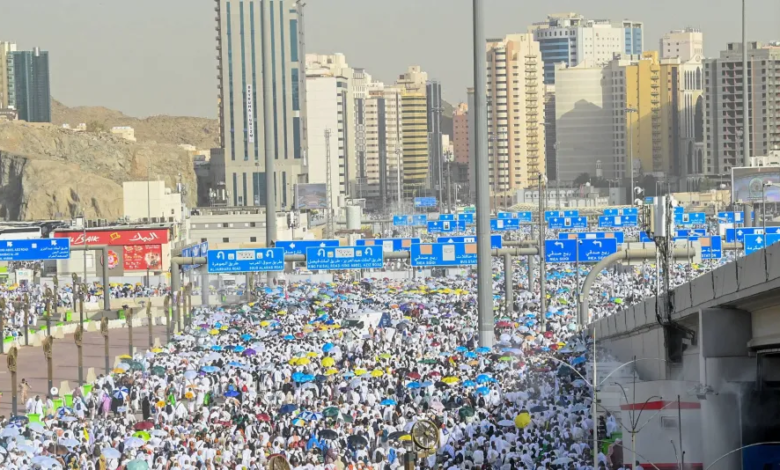
يُعد موسم الحج أكبر تجمع بشري سنوي في العالم، مما يفرض تحديات لوجستية وصحية هائلة. على مر التاريخ، شكلت إدارة الحشود والوقاية من الأمراض المعدية أولوية قصوى للسلطات السعودية. وقد اكتسبت المملكة خبرة واسعة في التعامل مع الأوبئة المحتملة، مثل متلازمة الشرق الأوسط التنفسية (MERS-CoV) التي ظهرت في العقد الماضي، وصولاً إلى التحدي العالمي الأخير المتمثل في جائحة فيروس كورونا (COVID-19)، والتي استدعت اتخاذ إجراءات استثنائية وتنظيم الحج بأعداد محدودة لعدة مواسم لضمان عدم تحوله إلى بؤرة لتفشي الفيروس.
منظومة صحية متكاملة لخدمة ضيوف الرحمن
استند نجاح هذا الموسم إلى بنية تحتية صحية قوية واستعدادات مبكرة. حيث جهزت وزارة الصحة شبكة واسعة من المستشفيات والمراكز الصحية الثابتة والمتنقلة في مكة المكرمة والمدينة المنورة والمشاعر المقدسة (منى، عرفات، مزدلفة). كما تم نشر فرق طبية ميدانية وفرق استجابة سريعة على مدار الساعة للتعامل مع أي حالة طارئة، مع التركيز على برامج المراقبة الوبائية النشطة لرصد أي مؤشرات لأمراض معدية بشكل فوري. وقد شملت الإجراءات الوقائية فرض اشتراطات صحية على الحجاج قبل قدومهم، بما في ذلك الحصول على تطعيمات محددة، بالإضافة إلى إطلاق حملات توعوية مكثفة بلغات متعددة لرفع الوعي الصحي بين الحجاج.
الأهمية والتأثير الإقليمي والدولي
إن إعلان خلو موسم الحج من المهددات الصحية لا يقتصر تأثيره على المستوى المحلي، بل يحمل أهمية كبرى على الصعيدين الإقليمي والدولي. فهو يبعث برسالة طمأنة لدول العالم التي يمثلها حجاجها، ويؤكد على قدرة المملكة على إدارة وتنظيم أكبر التجمعات البشرية بكفاءة عالية. كما يعزز هذا النجاح من مكانة السعودية كوجهة آمنة وموثوقة لأداء الشعائر الدينية، ويدعم استقرار قطاع السياحة الدينية الذي يعد رافداً اقتصادياً مهماً. على المستوى العالمي، تقدم تجربة المملكة في إدارة الحج نموذجاً يُحتذى به في مجال الصحة العامة وإدارة الأزمات في التجمعات الحاشدة.