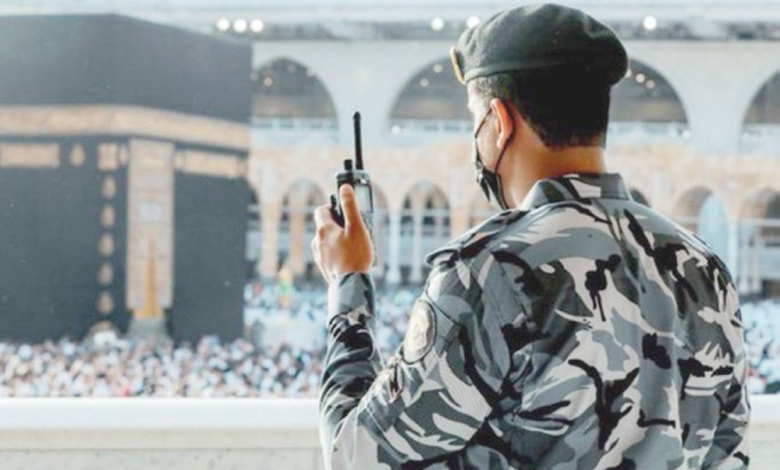

في إطار جهودها المستمرة لضمان أمن وسلامة حجاج بيت الله الحرام، أعلنت وزارة الداخلية السعودية عن تطبيق قرارات إدارية صارمة بحق 48 شخصًا لمخالفتهم أنظمة وتعليمات الحج. وتأتي هذه الإجراءات ضمن حملة “لا حج بلا تصريح” التي تهدف إلى تنظيم الشعيرة وضمان تقديم أفضل الخدمات لضيوف الرحمن.
تفاصيل المخالفات والعقوبات المطبقة
أوضحت الوزارة أن قوات أمن الحج تمكنت من ضبط 14 مواطنًا و5 وافدين عند مداخل مكة المكرمة أثناء محاولتهم نقل 29 شخصًا لا يحملون تصاريح حج نظامية. وبناءً على ذلك، أصدرت اللجان الإدارية الموسمية قرارات فورية بحق المخالفين، شملت عقوبات رادعة ومتعددة. تضمنت هذه العقوبات فرض غرامات مالية مشددة تصل إلى 100,000 ريال سعودي على ناقلي المخالفين، بالإضافة إلى عقوبة السجن، والتشهير بهم. كما شملت القرارات المطالبة بمصادرة المركبات المستخدمة في عملية النقل قضائيًا. أما بالنسبة للأشخاص الذين حاولوا أداء الحج دون تصريح، فقد تم فرض غرامات مالية عليهم تصل إلى 20,000 ريال. وفيما يخص الوافدين المخالفين، فقد تقرر ترحيلهم عن المملكة ومنعهم من دخولها لمدة 10 سنوات بعد تنفيذ العقوبة.
السياق العام: تنظيم الحج ضرورة أمنية وخدمية
تستقبل المملكة العربية السعودية سنويًا ملايين الحجاج من مختلف أنحاء العالم، مما يجعل إدارة وتنظيم هذا الحدث الديني الضخم تحديًا لوجستيًا وأمنيًا كبيرًا. على مر العقود، تطورت أنظمة الحج لتواكب الزيادة المطردة في أعداد الحجاج وبهدف منع الحوادث المأساوية التي كانت تقع في الماضي بسبب التدافع والازدحام الشديد. ويُعد نظام تصاريح الحج، الذي تم تطبيقه منذ سنوات، حجر الزاوية في هذه المنظومة التنظيمية، حيث يسمح للسلطات بتحديد عدد الحجاج بشكل دقيق، وتوزيعهم على المخيمات ووسائل النقل، وتوفير الخدمات الصحية والإعاشية اللازمة لهم بكفاءة عالية، مما يضمن سلامتهم وراحتهم خلال أداء مناسكهم.
الأهمية والتأثير المتوقع للإجراءات
تحمل هذه الإجراءات الصارمة أهمية بالغة على عدة مستويات. محليًا، تعزز هذه القرارات من هيبة الدولة وسيادة القانون، وترسل رسالة واضحة بأن لا تهاون مع كل من يحاول التحايل على الأنظمة، مما يساهم في إنجاح موسم الحج وحماية الأرواح والممتلكات. إقليميًا ودوليًا، تعكس هذه الخطوات مدى جدية المملكة في تحمل مسؤوليتها تجاه خدمة ضيوف الرحمن القادمين من جميع أنحاء العالم. كما أنها تساهم في مكافحة حملات الحج الوهمية التي تخدع البسطاء في بلدانهم وتستغل شوقهم لأداء الفريضة. إن تطبيق هذه الأنظمة يضمن أن تكون رحلة الحج آمنة ومنظمة، مما يعزز من سمعة المملكة كمنظم موثوق لأكبر تجمع ديني في العالم. وفي ختام بيانها، جددت وزارة الداخلية دعوتها لجميع المواطنين والوافدين إلى ضرورة الالتزام الكامل بأنظمة وتعليمات الحج، مؤكدة أن التعاون والتقيد بالقوانين هو السبيل الوحيد لضمان حج آمن وميسر للجميع.