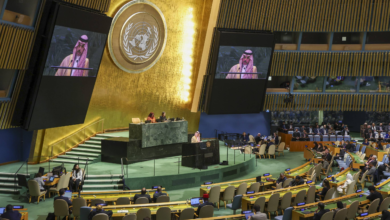

جددت المملكة العربية السعودية، في خطاب رسمي أمام الأمم المتحدة، تأكيدها على الأهمية القصوى لحماية حرية الملاحة البحرية وأمن الممرات المائية الدولية، وفي مقدمتها مضيق هرمز الاستراتيجي. وتأتي هذه الدعوة في ظل التحديات الأمنية المتزايدة التي تواجهها المنطقة، والتي تهدد استقرار تدفقات الطاقة العالمية والاقتصاد الدولي.
السياق العام والأهمية الاستراتيجية لمضيق هرمز
يُعد مضيق هرمز أحد أهم الممرات المائية في العالم، حيث يمر عبره ما يقارب خُمس استهلاك النفط العالمي يوميًا، بالإضافة إلى كميات هائلة من الغاز الطبيعي المسال. يربط هذا الممر الحيوي بين الخليج العربي وخليج عمان، ومنه إلى بحر العرب والمحيط الهندي، مما يجعله شريانًا رئيسيًا لاقتصادات الدول الصناعية الكبرى والدول المنتجة للنفط في المنطقة على حد سواء. تاريخيًا، كان المضيق مسرحًا للعديد من التوترات الجيوسياسية، وشهد حوادث استهداف لناقلات النفط وتهديدات متكررة بإغلاقه، الأمر الذي يجعله نقطة ساخنة تتطلب يقظة دولية مستمرة.
تأثيرات إقليمية ودولية محتملة
إن أي اضطراب في حرية الملاحة عبر مضيق هرمز لن يقتصر تأثيره على دول المنطقة فحسب، بل سيمتد ليحدث صدمة في أسواق الطاقة العالمية. فإغلاق المضيق أو حتى تقييد الحركة فيه سيؤدي إلى ارتفاع فوري وحاد في أسعار النفط، مما سيؤثر سلبًا على النمو الاقتصادي العالمي ويزيد من معدلات التضخم في مختلف أنحاء العالم. على الصعيد الإقليمي، يمثل تأمين الملاحة في المضيق ركيزة أساسية لاستقرار اقتصادات دول الخليج العربي التي تعتمد بشكل كبير على تصدير النفط والغاز. لذلك، فإن الدعوة السعودية تأتي كرسالة واضحة للمجتمع الدولي لتحمل مسؤولياته الجماعية في مواجهة أي تهديدات محتملة، استنادًا إلى مبادئ القانون الدولي واتفاقية الأمم المتحدة لقانون البحار التي تضمن حق المرور البريء والسريع للسفن عبر المضائق الدولية.
جهود المملكة لتعزيز الأمن البحري
تؤكد المملكة من خلال موقفها الثابت في المحافل الدولية، ومنها الأمم المتحدة، على التزامها بالعمل مع الشركاء الدوليين لضمان أمن الممرات المائية. وتدعو إلى تبني نهج دولي موحد وصارم لردع كافة الأعمال التي تهدد سلامة السفن التجارية وتعرض حركة التجارة العالمية للخطر، مشددة على أن استقرار المنطقة هو جزء لا يتجزأ من استقرار العالم بأسره.