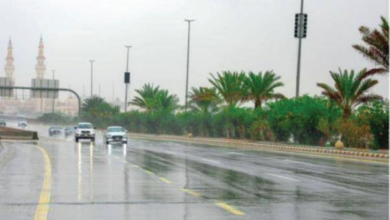

تحذيرات المركز الوطني للأرصاد حول حالة الطقس
أعلن المركز الوطني للأرصاد في المملكة العربية السعودية عن تفاصيل حالة الطقس المتوقعة ليوم السبت، محذراً من تقلبات جوية ملحوظة تشمل هطول أمطار رعدية غزيرة على أجزاء واسعة من 8 مناطق إدارية. وتأتي هذه التنبيهات في إطار حرص الجهات المعنية على سلامة المواطنين والمقيمين، حيث تُعد متابعة النشرات الجوية أمراً بالغ الأهمية لتجنب المخاطر المرتبطة بالسيول وانعدام الرؤية الأفقية على الطرقات.
تفاصيل خريطة الأمطار والمناطق المتأثرة
وبحسب البيان الرسمي الصادر عن الأرصاد، يُتوقع استمرار هطول أمطار رعدية تتراوح شدتها بين المتوسطة والغزيرة. وتتركز الحالة الجوية الأشد على القطاع الجنوبي الغربي، حيث تشهد مناطق جازان، عسير، والباحة أمطاراً غزيرة قد تؤدي إلى جريان السيول في الأودية والشعاب، وتكون مصحوبة بزخات من البرد ورياح هابطة شديدة السرعة.
في حين تمتد السحب الرعدية الممطرة لتشمل أجزاء من مناطق نجران، مكة المكرمة، العاصمة الرياض، المنطقة الشرقية، والحدود الشمالية، حيث تتفاوت غزارة الأمطار من متوسطة إلى غزيرة. ولا يستبعد خبراء الأرصاد تكون السحب الرعدية الممطرة المتفرقة على أجزاء من منطقتي القصيم وحائل، مما يستوجب أخذ الحيطة والحذر.
تأثير الرياح السطحية وموجات الغبار
إلى جانب الهطولات المطرية، حذر التقرير من نشاط ملحوظ في الرياح السطحية المثيرة للأتربة والغبار. هذا النشاط قد يؤدي إلى تدني مستويات الرؤية الأفقية، وقد يصل إلى حد شبه انعدام في الرؤية على أجزاء من المناطق المذكورة سابقاً، بالإضافة إلى أجزاء من منطقتي الجوف وتبوك، مما يستدعي أقصى درجات الانتباه من قبل قائدي المركبات على الطرق السريعة والمفتوحة.
حالة الملاحة البحرية: البحر الأحمر والخليج العربي
وعلى صعيد الملاحة البحرية، التي تكتسب أهمية اقتصادية وتجارية كبرى، أوضح التقرير حالة البحرين:
- البحر الأحمر: تهب رياح سطحية شمالية إلى شمالية غربية بسرعة تتراوح بين 15 إلى 40 كم/ساعة على الجزأين الشمالي والأوسط. أما في الجزء الجنوبي، فتكون الرياح شمالية غربية إلى جنوبية غربية بسرعة 10-30 كم/ساعة، وقد تصل إلى 60 كم/ساعة مع تكون السحب الرعدية. ويرتفع الموج من متر إلى متر ونصف شمالاً وأوسطاً، بينما يصل إلى أكثر من مترين جنوباً، لتكون حالة البحر خفيفة إلى متوسطة الموج، وتصل إلى مائجة في القسم الجنوبي.
- الخليج العربي: تشهد مياه الخليج رياحاً سطحية شمالية شرقية إلى جنوبية شرقية بسرعة 15-30 كم/ساعة، وتشتد لتتجاوز 45 كم/ساعة مع السحب الرعدية. ويرتفع الموج من نصف متر إلى متر ونصف، وقد يتجاوز المترين، مما يجعل حالة البحر خفيفة إلى متوسطة، ومائجة أحياناً.
السياق الجغرافي وتأثير التغيرات المناخية
تاريخياً وجغرافياً، تتميز المملكة العربية السعودية بتنوع تضاريسي هائل ينعكس بشكل مباشر على مناخها. فالمرتفعات الجنوبية الغربية (مثل عسير والباحة) تستقبل عادة أعلى معدلات الهطول المطري بسبب التضاريس الجبلية التي تساعد على رفع الكتل الهوائية الرطبة القادمة من البحر الأحمر وتبريدها، مما يؤدي إلى تكثفها وهطول الأمطار. وتعتبر فترات الانتقال بين الفصول من أكثر الفترات التي تشهد تقلبات جوية حادة، وتكونات للسحب الركامية الرعدية التي تغطي مساحات شاسعة من وسط وشرق المملكة.
الأهمية والتأثير المحلي والإقليمي
تحمل هذه الهطولات المطرية أهمية بالغة على المستوى المحلي؛ فهي تساهم بشكل مباشر في تغذية المياه الجوفية، ورفع منسوب المياه في السدود، مما يدعم القطاع الزراعي ويعزز الأمن المائي للمملكة. ومع ذلك، فإن غزارة الأمطار تتطلب استنفاراً من قبل المديرية العامة للدفاع المدني والجهات البلدية للتعامل مع تجمعات المياه ودرء مخاطر السيول.
أما على المستوى الإقليمي والدولي، فإن استقرار الملاحة في البحر الأحمر والخليج العربي يعد شرياناً حيوياً لحركة التجارة العالمية وصادرات الطاقة. ولذلك، فإن التحذيرات البحرية الدقيقة التي يصدرها المركز الوطني للأرصاد تلعب دوراً محورياً في ضمان سلامة السفن التجارية وناقلات النفط، مما يعكس الدور الهام للمملكة في توفير بيانات أرصادية موثوقة لحماية الأرواح والممتلكات ودعم الاقتصاد العالمي.