Saudi Arabia welcomes the ceasefire agreement between Damascus and the SDF and the integration of institutions

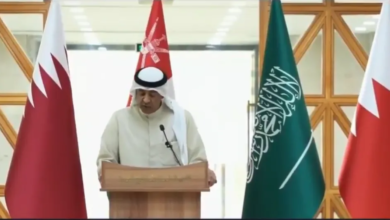
The Saudi Ministry of Foreign Affairs expressed its strong welcome for the statement issued by the Syrian government announcing a comprehensive ceasefire agreement between the Syrian government and the Syrian Democratic Forces (SDF). This agreement represents a pivotal turning point in the Syrian crisis, as it stipulates the integration of the institutions of the Autonomous Administration (which previously governed areas of northern and eastern Syria) into the official structures and institutions of the Syrian state.
Saudi support for the stability and unity of Syria
In its statement, the Kingdom affirmed its strong hope that this comprehensive agreement will form a solid foundation for supporting Syria's path toward restoring security, peace, and stability. The Saudi Ministry of Foreign Affairs emphasized that this step directly contributes to fulfilling the aspirations of the brotherly Syrian people and strengthening their national unity, which has suffered fragmentation throughout the long years of conflict. Riyadh reiterated its firm and unwavering support for all efforts undertaken by the Syrian government to preserve the country's sovereignty, unity, and territorial integrity against any interference or division.
Context of the agreement and its strategic importance
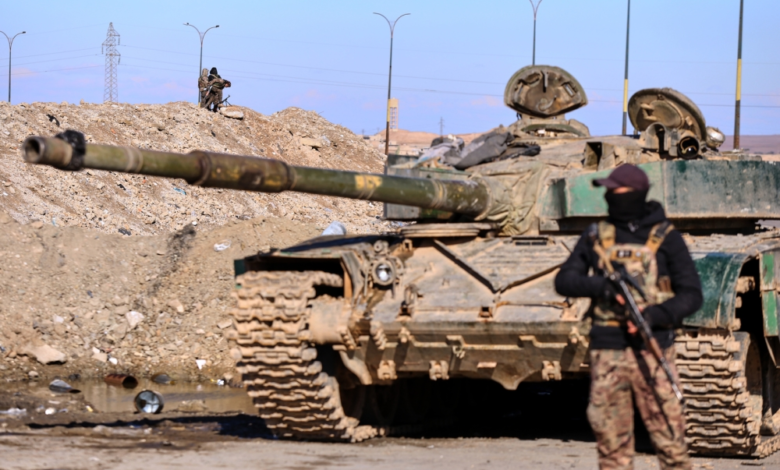
This agreement comes at a sensitive time for the region, as the Syrian Democratic Forces (SDF) control vast swathes of northern and eastern Syria—areas rich in resources and of strategic and geopolitical importance. The existence of two separate administrations has long hindered the unification of economic and security efforts across the country. Therefore, the clause stipulating the "integration of self-administration institutions into state institutions" is a significant development, indicating the parties' desire to end the administrative duality and return to a centralized state structure, thus strengthening the Syrian state's ability to extend its authority over the entire national territory.
The international and regional role in de-escalation
The Saudi statement also commended the diplomatic efforts that paved the way for this agreement. The Kingdom expressed its appreciation for the cooperation of both the Syrian government and the Syrian Democratic Forces with the Saudi-led efforts, as well as the tireless work of the United States to solidify the ceasefire and reach this consensus. This international and regional harmony reflects a shared desire to turn the page on military conflict and focus on political solutions that guarantee the stability of the region.
Observers believe that this agreement may pave the way for a new phase of reconstruction and the return of refugees, as security stability and the unification of institutions are essential conditions for any future economic revival in Syria, which is consistent with the broader Arab vision that has recently emerged regarding the need for Syria to regain its natural role in its Arab environment.