
British reports: Manchester United close to facing Milan in Riyadh... and negotiations underway to sign world-class stars
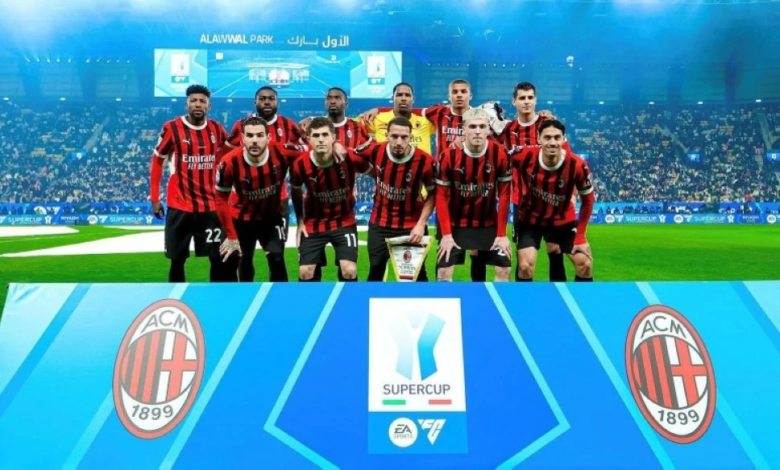
Recent British press reports have revealed the possibility of a high-profile friendly match between European football giants Manchester United and AC Milan in the Saudi capital, Riyadh. According to The Times, indications point to the match taking place in February, a move that would further enhance the Kingdom's standing as a global sporting destination.
Schedule analysis and match predictions
The newspaper based its predictions on notable changes to Manchester United's fixture schedule, specifically the rescheduling of their Premier League match against Everton to February 23rd. Simultaneously, the newspaper observed a similar gap in AC Milan's schedule during the same period, reinforcing speculation that the two teams will meet in an international friendly hosted in Riyadh, continuing the recent trend of high-profile matches held in Saudi Arabia.
General context: Riyadh, the capital of world sport
This news comes amidst the significant transformation of the sports sector in Saudi Arabia under Vision 2030. Riyadh and Jeddah have become venues for major sporting events, from hosting the Spanish and Italian Super Cups to the Riyadh Season Cup matches that brought together global stars. These events are not merely entertainment; they are part of a comprehensive strategy to boost sports tourism and enhance the quality of life, making the Kingdom a focal point for football fans worldwide.
Transfer market: Joelinton and Lewandowski under scrutiny
Meanwhile, Saudi Pro League clubs continue their efforts to attract top international stars. The BBC reported that serious moves are underway to sign Brazilian midfielder Joelinton (29), currently playing for Newcastle United. Reports indicate that Newcastle's management might be open to the deal if the financial returns are attractive, especially given the club's investment relationship with the Saudi Public Investment Fund, which owns a majority stake in the English club.
In a related development, Polish star Robert Lewandowski (37), the top scorer for FC Barcelona, has emerged as a strong target for Saudi Arabian clubs. The BBC and Goal.com have confirmed that the veteran striker is receiving lucrative offers to move to the Saudi league, with his representatives preparing to hold talks with officials to explore the possibility of a transfer. This interest is part of the Saudi league's ongoing plan to enhance its technical and marketing value by attracting some of the world's top strikers.