The Houthis turn Dhamar University into a vegetable market: details of the violation

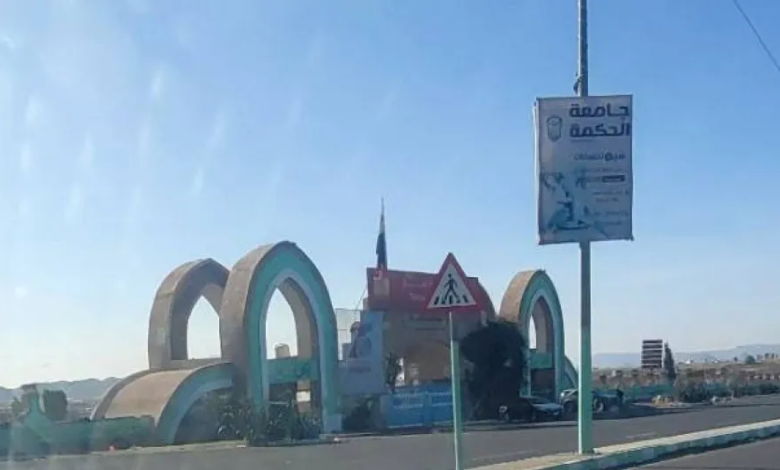
In a shocking move reflecting a profound disregard for the value and status of educational institutions, the Houthi militia has converted parts of the campus of Dhamar University, south of the capital Sana'a, into a fruit and vegetable market, in flagrant violation of the sanctity of the university and its academic mission. This incident is part of a systematic campaign aimed at erasing the educational identity of Yemeni universities and transforming them into sources of illicit financial gain or barracks to serve the militia's agenda.
Violation of university campus: details of the incident
Local and student sources reported that Houthi militia leaders seized large areas within the walls of Dhamar University, converting them into stalls and makeshift markets for selling vegetables, sparking widespread resentment among academics and students. Not content with this, the militia also attempted to lease these spaces to influential figures loyal to them, blatantly disregarding university regulations that prohibit any commercial activities unrelated to the educational process on campus.
General context: Systematic destruction of higher education
What is happening at Dhamar University cannot be separated from the broader context of public universities in Houthi-controlled areas since the 2014 coup. The militia has worked diligently to sectarianize education, alter curricula, and impose unqualified leaders at the top of the academic hierarchy based on narrow loyalties rather than academic merit. This incident follows the conversion of halls at Sana'a and Ibb Universities into venues for sectarian events, and the use of some facilities as detention centers or storage facilities, transforming universities from beacons of knowledge into environments that repel talent.
Historical background and importance
Dhamar University is one of the most important public universities in Yemen, established to serve the central governorates as a center of learning with specialized faculties in medicine, engineering, and the humanities. However, recent years have witnessed a frightening decline in the university's ranking and the quality of its graduates, due to ongoing militia interference, the interruption of faculty salaries, and the exodus of academic talent fleeing repression and restrictions.
Future repercussions and risks
Transforming an academic institution into a bustling marketplace carries grave implications that extend far beyond the physical act itself. It sends a message that education is no longer a priority and that chaos reigns supreme. This behavior leads to the destruction of the university's infrastructure, distracts students from their studies, and poses security and environmental risks due to the presence of unregulated markets within the campus. Furthermore, these practices contribute to the international isolation of Yemeni universities, jeopardizing the future recognition of their degrees and destroying the prospects of thousands of students who find themselves victims of a conflict that disregards both knowledge and scholars.