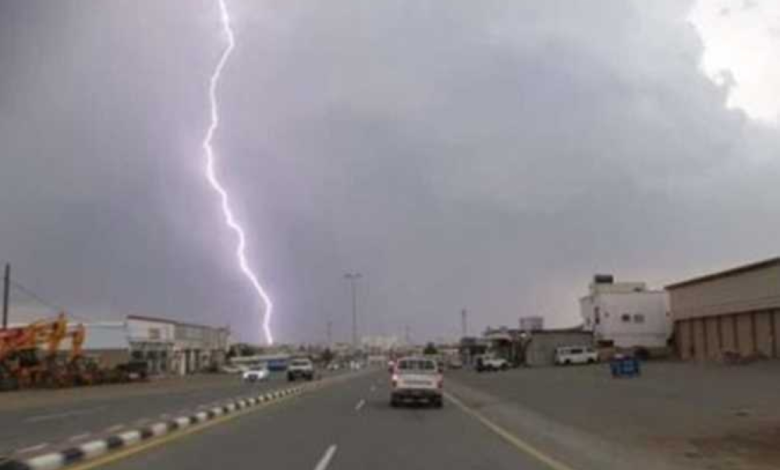

أصدر المركز الوطني للأرصاد في المملكة العربية السعودية تقريره اليومي عن حالة الطقس المتوقعة ليوم الاثنين، محذراً من استمرار التقلبات الجوية على معظم مناطق المملكة. وتشير التوقعات إلى هطول أمطار رعدية متفاوتة الغزارة، مصحوبة برياح نشطة قد تثير الأتربة والغبار، مما يستدعي أخذ الحيطة والحذر.
تفاصيل الحالة الجوية المتوقعة
وفقاً لتقرير الأرصاد، من المتوقع استمرار هطول أمطار رعدية متوسطة إلى غزيرة على أجزاء من منطقة مكة المكرمة، والتي قد تؤدي إلى جريان السيول في بعض الأودية والشعاب. وستكون هذه الأمطار مصحوبة بزخات من البرد ورياح هابطة نشطة. كما تشمل التوقعات هطول أمطار خفيفة إلى متوسطة على مرتفعات مناطق جازان، عسير، والباحة، بالإضافة إلى الأجزاء الجنوبية من منطقة المدينة المنورة.
وفيما يخص الرياح السطحية، يتوقع المركز أن تنشط الرياح المثيرة للأتربة والغبار على أجزاء من مناطق القصيم، حائل، الجوف، الحدود الشمالية، الرياض، والمنطقة الشرقية، مما قد يؤدي إلى تدني مدى الرؤية الأفقية. وقد حذر المركز بشكل خاص سكان المنطقة الشرقية، بما في ذلك الجبيل، الخبر، الدمام، القطيف، رأس تنورة، الأحساء، العديد، وبقيق، من رياح نشطة تبدأ من الساعة 9 صباحاً وتستمر حتى 7 مساءً، تصل سرعتها إلى 49 كيلومتراً في الساعة، وتتسبب في تدني الرؤية إلى ما بين 3 و 5 كيلومترات. كما تشهد حفر الباطن حالة مشابهة من الأتربة المثارة خلال نفس الفترة.
السياق المناخي لتقلبات الطقس في المملكة
تأتي هذه التقلبات الجوية في سياق فترة انتقالية بين الفصول، وهي فترة تشهد فيها أجواء المملكة عادةً حالة من عدم الاستقرار الجوي. تتميز طبيعة المناخ الصحراوي وشبه الصحراوي في معظم أنحاء السعودية بتباينات حرارية كبيرة بين النهار والليل وبين الفصول المختلفة. وتتأثر المملكة بمنخفضات جوية قادمة من البحر الأحمر والبحر الأبيض المتوسط، والتي عند التقائها بكتل هوائية رطبة قادمة من الجنوب، تخلق الظروف المواتية لتكون السحب الركامية الرعدية وهطول الأمطار، خاصة فوق المرتفعات الغربية والجنوبية الغربية.
الأهمية والتأثيرات المتوقعة
تحمل هذه الظواهر الجوية تأثيرات مباشرة على السلامة العامة والحياة اليومية. فالأمطار الغزيرة والسيول تشكل خطراً على الطرقات والممتلكات، وتستدعي من الجهات المعنية، مثل الدفاع المدني، رفع درجة الاستعداد والتأهب. من جانبها، تؤثر الرياح النشطة وموجات الغبار على مرضى الجهاز التنفسي والربو، وينصح الخبراء في مثل هذه الأجواء بالبقاء في المنازل قدر الإمكان وإغلاق النوافذ بإحكام.
على الصعيد البحري، نبه المركز إلى أن حالة البحر الأحمر ستشهد رياحاً شمالية غربية إلى غربية بسرعة تصل إلى 50 كم/ساعة باتجاه خليج العقبة، مع ارتفاع الموج إلى أكثر من مترين، مما يجعل البحر مائجاً في تلك المنطقة. أما في الخليج العربي، فستكون الرياح شمالية غربية إلى غربية بسرعة تصل إلى 34 كم/ساعة، وارتفاع الموج يتراوح بين نصف متر ومتر ونصف، مما يجعل حالته خفيفة إلى متوسطة الموج. هذه المعلومات حيوية لمرتادي البحر من صيادين وأصحاب قوارب لضمان سلامتهم.