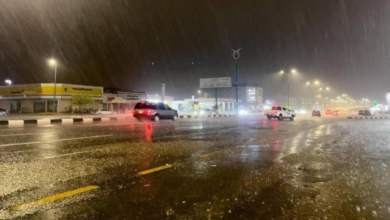
Weather forecast: Temperatures in Saudi Arabia and Dammam reach 18 degrees Celsius

Weather conditions and temperature updates in Saudi Arabia
Amid the seasonal climate changes affecting the region, the National Center for Meteorology released its latest weather report, detailing the varying temperatures across Saudi Arabia during this period. The city of Dammam in the Eastern Province recorded a low of 18 degrees Celsius, reflecting the beginning of milder weather and a break in the intense summer heat that typically characterizes the region.
Climatic and geographical diversity in the Kingdom
The Kingdom of Saudi Arabia is characterized by its vast area and diverse terrain, creating significant temperature variations across its different regions. While the weather tends to be cooler in the mountainous highlands and northern areas, the coastal and western cities maintain warmer temperatures. Historically, the transitional periods between autumn and winter are among the most anticipated seasons for citizens and residents, as temperatures begin to gradually decrease, heralding the arrival of rain and a change in daily life patterns.
List of minimum temperatures in the cities of the Kingdom
According to the official statement issued by the National Center for Meteorology on Thursday night/Friday morning, the minimum temperatures recorded in various cities and governorates were as follows:
- Dammam: 18 degrees Celsius.
- Mecca: 20 degrees Celsius.
- Medina: 14 degrees Celsius.
- Riyadh: 17 degrees Celsius.
- Jeddah: 18 degrees Celsius.
- Abha: 8 degrees Celsius.
- Hail: 8 degrees Celsius.
- Buraidah: 12 degrees Celsius.
- Tabuk: 8 degrees Celsius.
- The courtyard: 8 degrees Celsius.
- Arar: 7 degrees Celsius.
- Sakaka: 8 degrees Celsius.
- Jazan: 26 degrees Celsius.
- Najran: 16 degrees Celsius.
- Taif: 10 degrees Celsius.
- Al-Ula: 9 degrees Celsius.
- Yanbu: 17 degrees Celsius.
- Al-Dawadmi: 14 degrees Celsius.
- Al-Kharj: 20 degrees Celsius.
- Wadi Al-Dawasir: 20 degrees Celsius.
- Sharurah: 22 degrees Celsius.
- Combined: 13 degrees Celsius.
- Face: 15 degrees Celsius.
- Rafha: 10 degrees Celsius.
- Al Qurayyat: 8 degrees Celsius.
- Tarif: 6 degrees Celsius.
- Al Qunfudhah: 23 degrees Celsius.
- Al-Ahsa: 18 degrees Celsius.
- Hafar Al-Batin: 14 degrees Celsius.
- Bisha: 16 degrees Celsius.
- Al-Sawda: 5 degrees Celsius.
- Rawdat Al-Tanhat: 13 degrees Celsius.
- Al-Dahna desert: 13 degrees Celsius.
- Guarantee: 13 degrees Celsius.
Local and regional impact of lower temperatures
This drop in temperatures has widespread positive effects locally. Economically, the milder weather significantly reduces electricity consumption for cooling and air conditioning. For domestic tourism, this weather is a key driver of the winter tourism season, with a surge in open-air recreational activities and desert excursions (known locally as "kashtat"), which are an integral part of Saudi culture.
These climatic changes also play a vital role in supporting the agricultural sector, particularly in regions like Al-Jawf, Tabuk, and Hail, where some winter crops require lower temperatures to thrive. Regionally, this weather pattern reflects the influence of cold air masses from the north on the Arabian Peninsula, leading to relatively stable atmospheric conditions and a more moderate climate.
Important guidelines for dealing with weather changes
With areas like As-Sawda (5 degrees) and Tarif (6 degrees) recording noticeably colder temperatures, experts recommend taking precautions, especially for those traveling on highways at night and in the early morning, to avoid fog and reduced visibility. Wearing appropriate winter clothing is also advised in the northern regions and southwestern highlands to maintain good health and prevent seasonal colds.