
الوقف.. إطار قانوني راسخ لعمل خيري مستدام
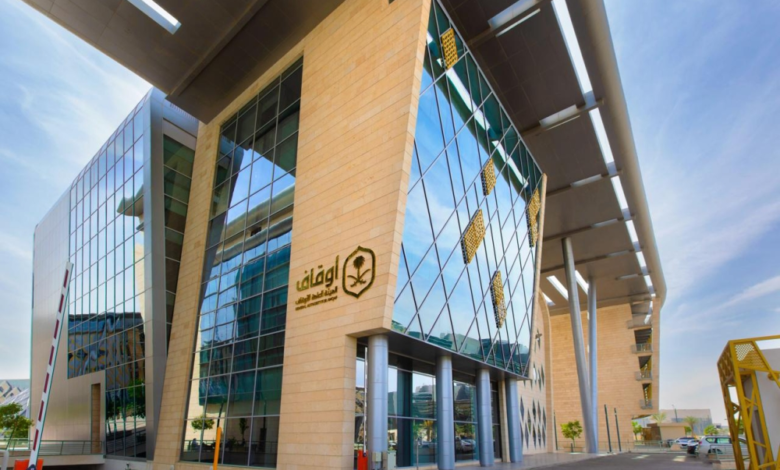
أكدت الهيئة العامة للأوقاف في المملكة العربية السعودية على المبدأ الشرعي والنظامي الراسخ الذي يحكم الأوقاف، موضحة أن الوقف هو تصرف شرعي مستقر ودائم بطبيعته، ولا يمكن إبطاله أو التراجع عنه إلا بموجب حكم قضائي نهائي يصدر في حالات استثنائية ومحددة بدقة. يأتي هذا التوضيح لتعزيز الثقة في القطاع الوقفي وترسيخ مبدأ اليقين القانوني لدى الواقفين والمستفيدين والنظار على حد سواء.
السياق التاريخي والشرعي للوقف
يعتبر نظام الوقف أحد الركائز الأساسية في الحضارة الإسلامية، وهو شكل من أشكال الصدقة الجارية التي يستمر أجرها وثوابها حتى بعد وفاة الواقف. تاريخياً، لعبت الأوقاف دوراً محورياً في تمويل الخدمات العامة والمجتمعية، من بناء المساجد والمدارس والجامعات إلى إنشاء المستشفيات (البيمارستانات) وتوفير المأوى للفقراء وعابري السبيل. يقوم الوقف على مبدأ “تحبيس الأصل وتسبيل المنفعة”، أي حبس الأصل الموقوف عن التملك والتصرف فيه، وتخصيص ريعه ومنافعه لأوجه الخير والبر التي حددها الواقف.
حالات إبطال الوقف: ضوابط قضائية صارمة
أوضحت الهيئة أن الأصل في الوقف هو الديمومة والاستقرار، إلا أن القضاء قد يحكم ببطلانه في حالات محددة تخل بأركانه وشروطه الأساسية. ومن أبرز هذه الحالات:
- انعدام ملكية الواقف: إذا ثبت أن الواقف لم يكن يمتلك العين الموقوفة ملكية صحيحة وموثقة وقت إنشاء الوقف، فإن الوقف يعتبر باطلاً لصدوره ممن لا يملك.
- انعدام الأهلية أو الإرادة الحرة: يبطل الوقف إذا صدر من شخص غير مكتمل الأهلية، أو إذا ثبت أن الواقف قد أُجبر على إنشاء الوقف بالإكراه، مما ينفي مبدأ الاختيار والإرادة الحرة الذي هو أساس التصرفات الشرعية.
- الوقف المعلق بالوفاة (الوصية الوقفية): إذا علّق الواقف إنشاء الوقف على وفاته، فإنه يأخذ حكم الوصية. وفي هذه الحالة، لا يجوز أن يتجاوز الوقف ثلث إجمالي التركة إلا بموافقة وإجازة جميع الورثة الشرعيين، حمايةً لحقوقهم التي كفلها الشرع.
أهمية الوقف في رؤية المملكة 2030
يحظى قطاع الأوقاف بأهمية استراتيجية في إطار رؤية المملكة 2030، التي تهدف إلى تنمية القطاع غير الربحي وزيادة مساهمته في الناتج المحلي الإجمالي. وتعمل الهيئة العامة للأوقاف على تنظيم القطاع وتطويره وتعزيز دوره التنموي من خلال حوكمة الأوقاف، ورفع كفاءة إدارتها، وتشجيع إنشاء أوقاف جديدة تخدم أولويات التنمية الوطنية في مجالات مثل التعليم والصحة والإسكان والبحث العلمي. إن التأكيد على الحماية القضائية للأوقاف يعزز من جاذبية هذا القطاع كأداة تنموية مستدامة، ويشجع الأفراد والمؤسسات على المساهمة في تحقيق الأثر الاجتماعي والاقتصادي المنشود.