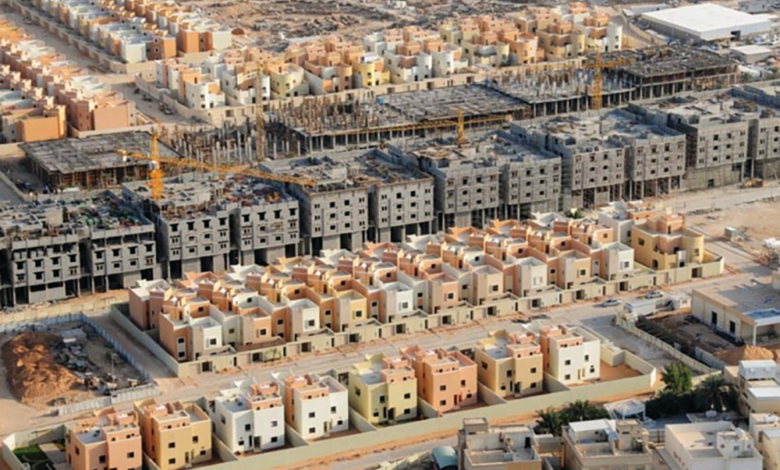

The Ministry of Municipalities and Housing announced the launch of the second phase of the “Building Compliance Certificate” initiative, a strategic step aimed at ensuring new buildings meet specific standards to improve the urban landscape. This step is accompanied by a six-month grace period, allowing owners the opportunity to rectify their situations before the implementation of legal procedures and penalties.
Context of the initiative: Vision 2030 and quality of life
This initiative cannot be separated from the broader context of the major transformations taking place in the Kingdom of Saudi Arabia under the umbrella of Vision 2030. Since the launch of the Quality of Life Program, relevant authorities have placed the issue of visual pollution at the forefront of their priorities. Historically, some cities have suffered from inconsistencies in urban patterns and construction violations that have impacted the visual identity of Saudi cities. This certification serves as a crucial regulatory tool to standardize criteria and ensure that rapid urban development is accompanied by an aesthetic and regulatory commitment that reflects the Kingdom's civilized image.
Details of the second phase and the granted deadline
The ministry explained in its statement that the second phase focuses heavily on new buildings, which have been linked to a geographic information system (GIS) to ensure accurate monitoring. The procedures include:
- A corrective grace period of 6 months from the date of the decision is granted.
- Issuing the certificate free of charge to encourage compliance.
- The certificate is valid for 3 years .
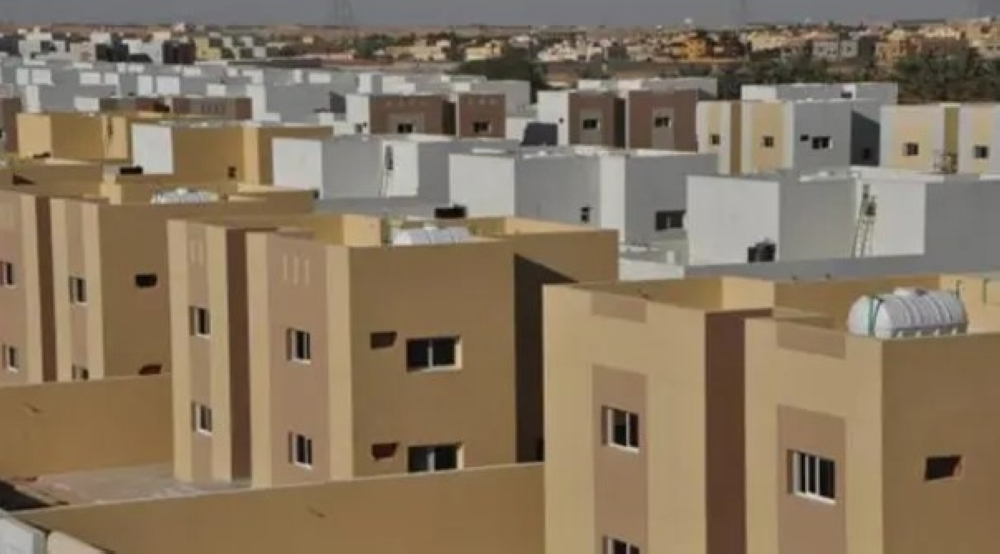
The ministry confirmed that obtaining the certificate is done according to easy requirements, which primarily aim to address the elements that cause visual distortion in building facades and main axes.
Expected economic and urban impact
This move is expected to have wide-ranging positive effects, both locally and regionally:
- Economically: Improving the overall appearance of buildings contributes to raising the market value of real estate and enhances the attractiveness of Saudi cities for investment and tourism, as an organized urban environment is a key factor in attracting foreign capital.
- Socially: Eliminating visual pollution has a positive impact on the psychological well-being of the population and enhances the sense of belonging to the place, which raises the quality of life indicators in Saudi cities.
- Organizationally: The certification contributes to creating a fair competitive environment among investors and real estate developers by standardizing building and facade standards.
Results of the first phase: Success indicators
The ministry based the launch of the second phase on the great success achieved by the first phase, as the figures revealed a broad response from owners:
- Issuing a compliance certificate for 95,835 buildings .
- 100% completion rate of the target.
- The number of applications submitted exceeded 102,708 .
- More than 175,000 monitoring visits to ensure compliance.
A call for compliance and avoidance of penalties
The Ministry of Municipalities and Housing concluded its statement by emphasizing that building compliance certification is not merely a routine procedure, but a cornerstone of sustainable urban development. It stressed that legal procedures and penalties will be applied to non-compliant buildings immediately after the grace period expires, urging all owners and investors to take advantage of the grace period and the accessible services available through its digital platforms to ensure a clean and aesthetically pleasing urban environment.