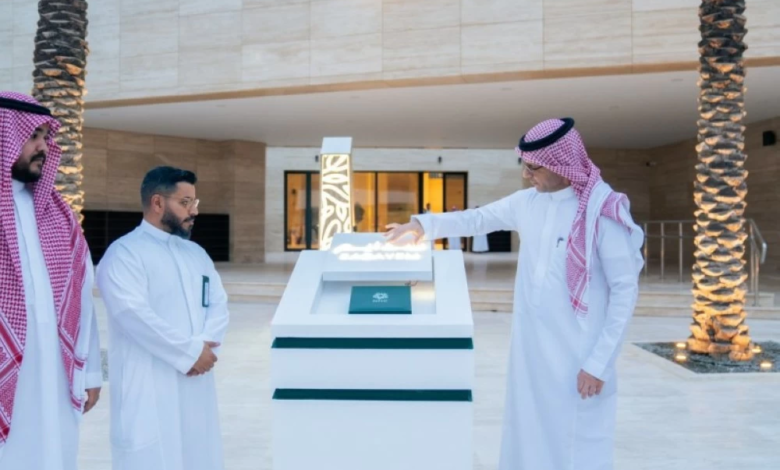
The opening of Al Thuraya Mosque in Jeddah's Al-Sadaim district, featuring a unique Hijazi design

In a move reflecting its commitment to developing integrated urban communities, the National Housing Company (NHC) inaugurated the Al-Thuraya Mosque at its Sadaim destination in Jeddah, in the presence of a number of the destination's clients and visitors. This opening is the culmination of the company's ongoing efforts to enhance quality of life and provide vital community facilities that meet the spiritual and social needs of residents within its modern urban destinations.
A design that emulates authentic Hijazi heritage
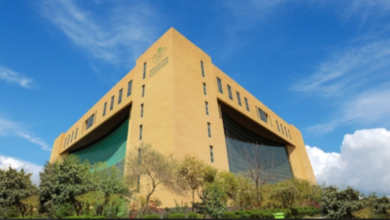
Al Thuraya Mosque is more than just a place of worship; it stands as a prominent landmark in the Sudaym destination, designed in a unique architectural style inspired by the Hijazi style. This style not only reflects the cultural identity of the Makkah region and historic Jeddah, but also infuses modern urban design with authenticity and heritage, creating a visual fusion that connects the past with the present. Attention to Hijazi architectural details, such as mashrabiyas (latticework windows), inscriptions, and stone facades, reinforces a sense of belonging and preserves the region's cultural heritage.
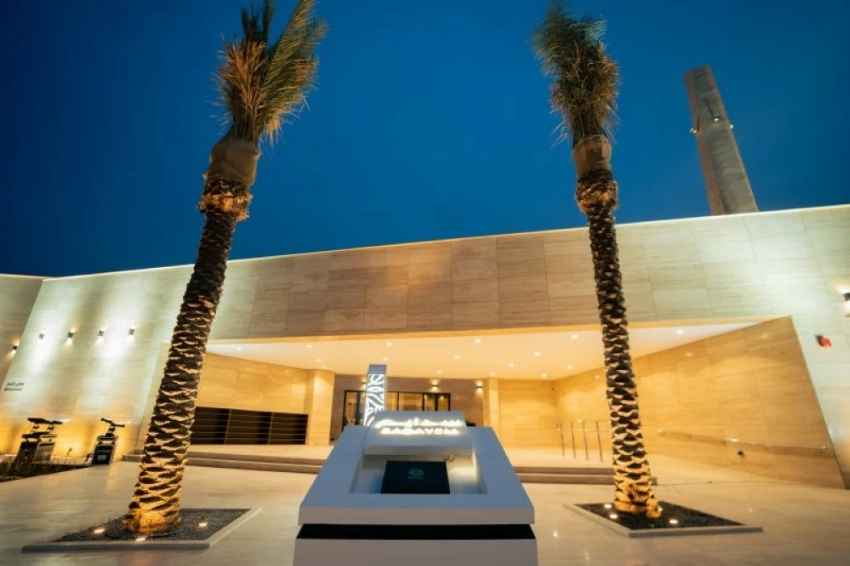
From a technical standpoint, the mosque includes separate prayer areas for men and women, green spaces that help to moderate the atmosphere, and fully equipped ablution facilities. The men's prayer area covers 476 square meters, while the women's prayer area is 126 square meters, bringing the mosque's total capacity to 664 worshippers, making it a key gathering place for the neighborhood's residents.
Enhancing quality of life and integrated facilities
The Al Thuraya Mosque project aims to directly serve visitors to the Exhibition Village, forming the nucleus of an integrated system of facilities that contribute to creating a balanced urban environment. This initiative aligns with the objectives of the Kingdom's Vision 2030 and the Quality of Life Program, as NHC seeks to develop sustainable urban destinations that combine religious, social, and recreational aspects, meeting the aspirations of Saudi families according to the highest international standards.
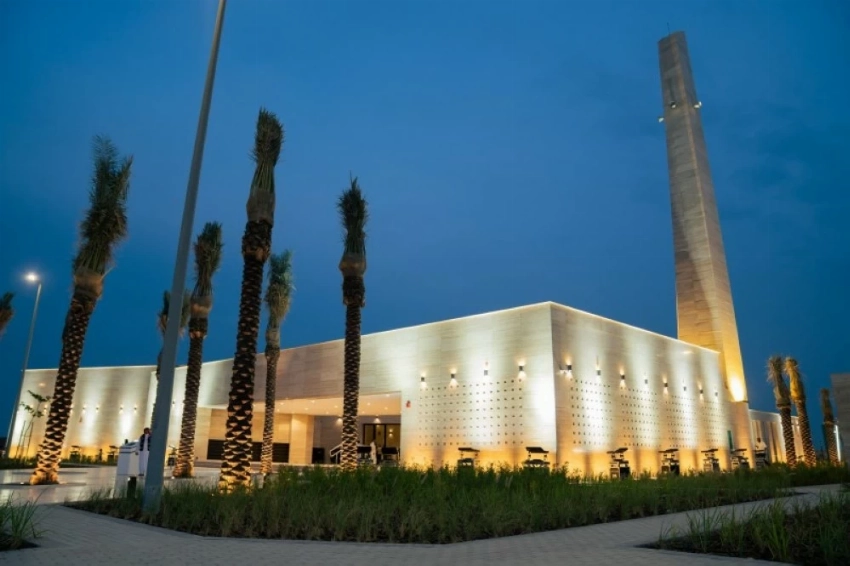
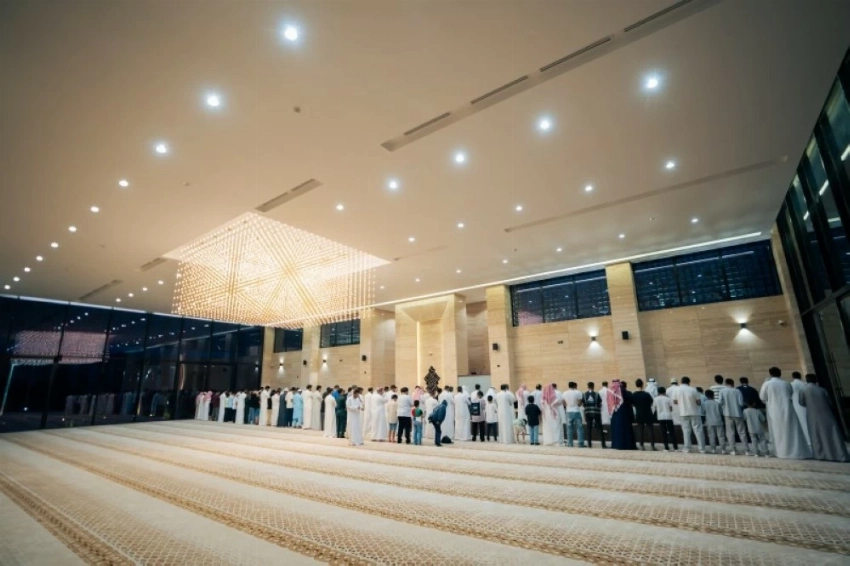
The destination hosted a family open day to coincide with its opening, featuring a variety of recreational activities in the first completed section of the "Green Path" gardens. This path is one of the destination's key competitive advantages, and upon completion, it will extend for 8 kilometers, providing a natural green space and a safe walkway for pedestrians and athletes. Attendees performed the Maghrib and Isha prayers, led by a well-known imam from Jeddah, in a spiritual atmosphere that reflected the project's social and spiritual dimensions and strengthened community bonds between residents and visitors.
Sodaim Destination: The future of housing in the Bride of the Red Sea
It is worth noting that the "Sadaim" destination is one of Jeddah's major strategic projects, spanning a total area of over 3.8 million square meters. The destination offers more than 9,000 residential units, ranging from villas and apartments to townhouses, catering to diverse tastes and budgets. The destination features architectural designs inspired by an analysis of Hijazi identity, creating a comfortable and luxurious environment for the more than 45,000 residents expected to live in the project.
Sadaim is strategically located east of Lakes City and near the Red Sea coast, giving it the advantage of proximity to many key services and important future projects in the governorate, making it an ideal destination for both living and investment.