Jeddah Municipality's plan for Ramadan and Eid al-Fitr 1447 AH: Measures and oversight

The Jeddah Governorate Municipality announced its full readiness to receive the holy month of Ramadan and Eid al-Fitr for the year 1447 AH, through the adoption of an integrated seasonal plan aimed at enhancing compliance with municipal requirements and ensuring food safety, coinciding with the high population density that the governorate witnesses during this spiritual period.
Strategic importance of the Red Sea bride
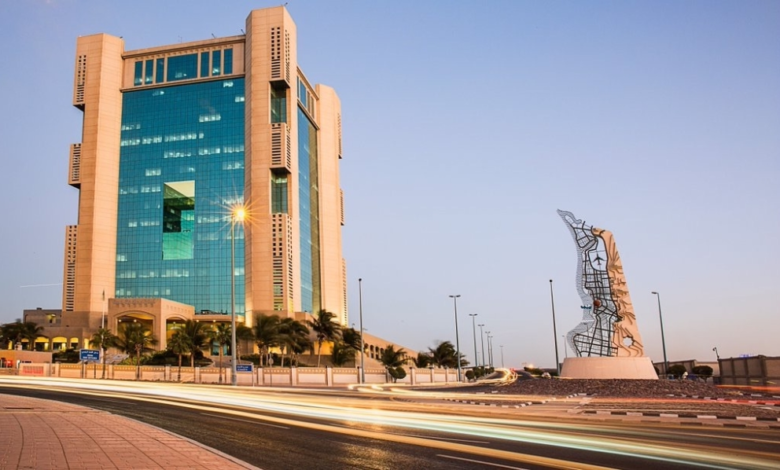
The Jeddah Municipality's preparations are of particular importance given the city's strategic location as a major gateway to the Two Holy Mosques. During Ramadan, Jeddah experiences a significant influx of pilgrims and visitors from within the Kingdom and abroad, in addition to the bustling tourism in attractions such as the historical district and the waterfront. This plan aims to ensure the provision of the best municipal services in line with quality of life objectives and to project a civilized image befitting the city's status.
Intensive monitoring of food and markets
This year's operational plan focuses on intensifying round-the-clock field inspections, with particular emphasis on activities that see increased activity during the holy month. These efforts include:
- Food establishments: Tightening control over restaurants, kitchens, and sweets and dates shops, to ensure the safety of the products on display and their suitability for human consumption.
- Markets and shopping centers: Monitoring the compliance of malls and popular markets with municipal regulations, especially during peak evening hours.
- Juice and dairy shops: Ensure the sources of raw materials and the proper methods of preparation and preservation of Ramadan foods and drinks.
Public hygiene and environmental sanitation
Regarding cleanliness, the municipality has developed flexible plans to manage the anticipated increase in waste volume by increasing the number of field teams and vehicles, and intensifying sweeping and washing operations in public squares and around mosques and major prayer halls. The plan also places significant emphasis on environmental sanitation programs, with control teams continuing their efforts to monitor mosquito breeding grounds and combat disease vectors, particularly dengue fever, using the latest technologies and environmentally safe pesticides.
Combating negative phenomena and community partnership
The plan includes strict measures to prevent random selling and illegal stalls that impede traffic and distort the urban landscape, as joint field committees will work to remove encroachments on sidewalks and roads to ensure smooth traffic flow and pedestrian comfort.
The Jeddah Municipality concluded its statement by calling on citizens, residents and visitors to cooperate with it in making this plan a success, stressing that community awareness is the first partner in municipal work, and urging everyone to immediately report any violations through the “Baladi” application or by contacting the unified reporting center 940, to ensure a healthy and safe environment for all during the holy month.