
في شهادة جديدة على كفاءة وجاهزية المنظومة الصحية السعودية خلال موسم الحج، نجح فريق طبي متخصص في مستشفى الملك فيصل، عضو تجمع مكة المكرمة الصحي، في إنقاذ حياة حاج من الجنسية الهندية تعرض لحالة طبية نادرة وخطيرة تُعرف بـ”غرغرينة فورنير”، وذلك عبر تدخل جراحي دقيق وعاجل استغرق ساعتين.
السياق العام: الرعاية الصحية السعودية لضيوف الرحمن
تولي المملكة العربية السعودية، بصفتها راعية الحرمين الشريفين، أهمية قصوى لسلامة وصحة حجاج بيت الله الحرام. وفي كل عام، تستنفر وزارة الصحة السعودية كافة طواقمها ومنشآتها لتقديم خدمات طبية متكاملة ومجانية لجميع الحجاج دون تمييز. وتشمل هذه الجهود شبكة واسعة من المستشفيات والمراكز الصحية المجهزة بأحدث التقنيات والكوادر الطبية المؤهلة في مكة المكرمة والمدينة المنورة والمشاعر المقدسة، لضمان التعامل الفوري مع أي حالة طارئة قد تواجه ضيوف الرحمن خلال أدائهم لمناسكهم.
تفاصيل الحالة والتدخل السريع
بدأت القصة عندما نُقل الحاج الهندي إلى قسم الطوارئ بالمستشفى بواسطة فرق الهلال الأحمر السعودي، وهو يعاني من آلام حادة وشديدة، مع تورم وتضخم في كيس الصفن. وعلى الفور، باشر الفريق الطبي إجراءات التشخيص اللازمة، حيث أظهرت الفحوصات السريرية والتحاليل المخبرية والأشعة التشخيصية إصابته بـ”غرغرينة فورنير”، وهو التهاب جرثومي عدواني ونادر يصيب الأنسجة الرخوة في المنطقة التناسلية، ويُعد حالة طبية طارئة تتطلب تدخلاً جراحياً فورياً لمنع انتشار التسمم في الجسم، والذي قد يؤدي إلى الوفاة.
جراحة دقيقة تنقذ حياة الحاج
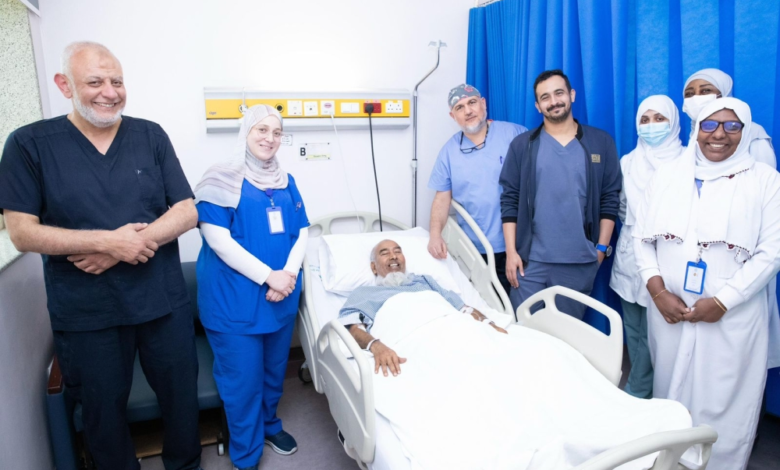
بفضل سرعة استجابة فريق جراحة المسالك البولية، نُقل المريض على وجه السرعة إلى غرفة العمليات. وهناك، أجرى الفريق الطبي، بقيادة الاستشاري الدكتور مصطفى إبراهيم وبمشاركة الأخصائيين الدكتور خالد الشحات والدكتور مشاري القرشي، عملية جراحية دقيقة استمرت لساعتين متواصلتين. تمكن الفريق خلالها من استئصال جميع الأنسجة المتضررة والميتة بالكامل نتيجة الغرغرينة، والسيطرة على مصدر العدوى. وأكد المستشفى أن سرعة التشخيص والتدخل الجراحي المبكر كانا عاملين حاسمين في استقرار حالة الحاج وتجنب مضاعفات خطيرة مهددة للحياة، مثل تسمم الدم أو فشل الأعضاء.
الأهمية والتأثير
تبرز هذه الحادثة الناجحة الأهمية الكبرى للجاهزية الطبية السعودية خلال موسم الحج. على الصعيد المحلي، تعزز هذه الإنجازات ثقة المواطنين والمقيمين في قدرات القطاع الصحي. أما على الصعيد الدولي، فهي تبعث برسالة طمأنة لملايين المسلمين حول العالم، مؤكدة أن صحتهم وسلامتهم هي أولوية قصوى في المملكة. كما تعكس هذه العمليات النوعية المستوى المتقدم للطب في السعودية وقدرته على التعامل مع أعقد الحالات الطبية وأندرها. وقد بدأ المريض بالاستجابة للعلاج والتماثل للشفاء تدريجياً، وسط متابعة طبية وتمريضية مستمرة من الطاقم المختص.